
In This Article
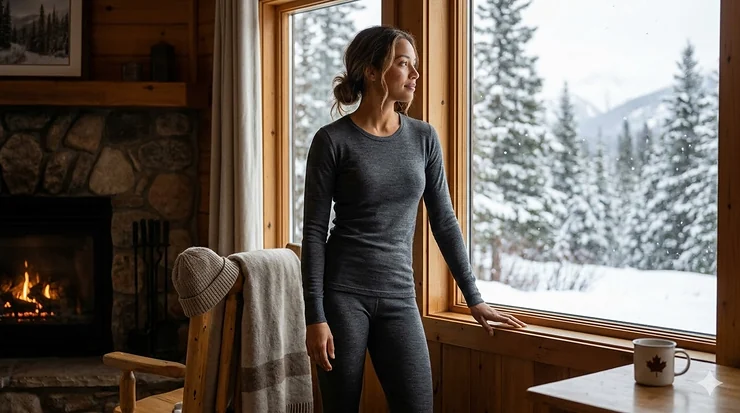
Picture this: You’re standing at the trailhead on a crisp -20°C morning, about to embark on a winter camping adventure in the Canadian Rockies. Your friends are already shivering, layered up like marshmallows in bulky synthetics. You? You’re perfectly comfortable in your merino wool base layer, moving freely and staying toasty warm. That’s the magic of women’s merino wool long underwear.
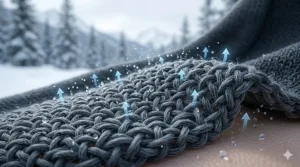
Unlike traditional cotton thermals that turn clammy the moment you break a sweat, or synthetic fabrics that trap odours after a single wear, merino wool is nature’s climate control system. This superfine natural fibre from merino sheep wicks moisture away from your skin while simultaneously regulating your body temperature. Whether you’re winter camping in Banff, ice fishing in Northern Ontario, or simply commuting through a Toronto blizzard, the right base layer moisture wicking performance makes all the difference between misery and comfort.
Canadian winters demand serious gear. With temperatures regularly plummeting below -30°C in many provinces and wind chill factors that can freeze exposed skin in minutes, proper layering isn’t just about comfort—it’s about safety. According to Health Canada’s extreme cold guidelines, synthetic and wool fabrics provide the best insulation for cold weather protection, and merino wool excels at keeping perspiration away from your body to reduce hypothermia risk.
In this comprehensive guide, we’ll explore the seven best women’s merino wool long underwear sets available on Amazon.ca in 2026. From budget-friendly options perfect for casual winter activities to premium expedition-grade sets designed for extreme cold, we’ve researched actual Canadian prices, verified availability, and analyzed customer feedback from fellow Canadians to help you find your perfect thermal companion.
Quick Comparison Table
| Product | Weight Class | Price (CAD) | Best For | Rating |
|---|---|---|---|---|
| Icebreaker 200 Oasis Set | Midweight | $240-$280 | Year-round versatility | 4.7/5 |
| Smartwool Classic Thermal Merino Set | Heavyweight | $260-$300 | Extreme cold activities | 4.6/5 |
| Merino.tech Heavyweight Set | Heavyweight | $85-$110 | Budget-conscious buyers | 4.4/5 |
| LAPASA 100% Merino Wool Set | Midweight | $95-$130 | Active winter sports | 4.5/5 |
| Minus33 Franconia Midweight Set | Midweight | $170-$210 | Outdoor professionals | 4.6/5 |
| Woolly Clothing Co Set | Lightweight | $120-$150 | Layering & travel | 4.3/5 |
| DANISH ENDURANCE Set | Midweight | $105-$145 | Multi-activity use | 4.4/5 |
💬 Just one click – help others make better buying decisions too! 😊
Top 7 Women’s Merino Wool Long Underwear: Expert Analysis
1. Icebreaker 200 Oasis Women’s Base Layer Set
The Icebreaker 200 Oasis represents the gold standard in merino wool base layers. Crafted from 100% superfine New Zealand merino wool at 200 g/m², this women’s thermal top and bottom set delivers exceptional breathability and temperature regulation. The fabric weight hits the sweet spot—warm enough for Canadian winters yet breathable enough to prevent overheating during high-output activities like backcountry skiing or winter hiking.
Key specifications include offset shoulder seams that prevent chafing under backpack straps, underarm gussets for enhanced mobility, and flatlock stitching throughout that eliminates irritation points. The fabric’s 18.5-micron diameter ensures next-to-skin softness without any itchiness. Canadian customers consistently praise this set’s durability, with many reporting their Icebreaker base layers lasting 5+ years with proper care.
✅ Pros:
- Superior New Zealand merino quality
- Flatlock seams prevent chafing
- Excellent odour resistance for multi-day wear
❌ Cons:
- Premium pricing may exceed budget constraints
- Requires careful washing to prevent shrinkage
Price Range: $240-$280 CAD |
Amazon.ca Availability: In stock with Prime shipping

2. Smartwool Classic Thermal Merino Base Layer Set
For extreme cold conditions, the Smartwool Classic Thermal Merino delivers heavyweight warmth at 250 g/m². This women’s thermal underwear extreme cold specialist combines 52% merino wool with 45% polyester and elastane for enhanced durability and stretch. The blended construction makes it more resistant to tears and snags than pure merino options—crucial for Canadian winter camping where you’re constantly moving through frozen brush.
The high-rise waistband on the bottoms stays put during active pursuits, while the crew neck top features princess seams for a tailored, feminine fit. Canadian reviewers particularly appreciate how this base layer moisture wicking system handles sweat during snowshoeing or cross-country skiing, then quickly dries when you pause for breaks. The fabric’s UPF 50+ rating provides excellent sun protection—important for high-altitude or glacier environments where UV rays reflect off snow.
✅ Pros:
- Heavyweight insulation for -30°C temperatures
- Blend offers better durability than 100% merino
- Excellent moisture management during vigorous activity
❌ Cons:
- Heavier fabric takes longer to dry
- Higher synthetic content reduces odour resistance slightly
Price Range: $260-$300 CAD |
Amazon.ca Availability: In stock, multiple colour options
3. Merino.tech Heavyweight Base Layer Set
Budget-conscious adventurers rejoice—the Merino.tech Heavyweight Set delivers legitimate 100% merino wool performance at a fraction of premium brand prices. At 250 g/m², this set provides serious warmth for Canadian winters without breaking the bank. While the construction isn’t quite as refined as Icebreaker’s flatlock seams, the jersey knit with flatlock stitching still performs admirably for most winter activities.
This best base layer women winter camping option has garnered a loyal following among cost-conscious outdoor enthusiasts. The fabric’s 18.5-micron diameter matches premium competitors, ensuring comfort against bare skin. Canadian customers report this set handles everything from urban commutes to weekend ice fishing trips with equal aplomb. The slightly looser fit compared to premium brands actually works well for layering under mid-layers and shells.
✅ Pros:
- Outstanding value for 100% merino wool
- Substantial warmth for extreme cold
- Machine washable and dryable
❌ Cons:
- Quality control can be inconsistent
- Fit runs larger than premium brands
Price Range: $85-$110 CAD |
Amazon.ca Availability: In stock with fast shipping
4. LAPASA 100% Merino Wool Base Layer Set
The LAPASA 100% Merino Wool Set occupies the sweet middle ground between budget and premium options. Available in both lightweight (170 g/m²) and midweight (230 g/m²) versions, this versatile set adapts to various Canadian climate zones. The midweight version particularly excels as fitted vs loose base layer women prefer for active winter sports—the snug fit enhances moisture wicking while reducing bulk under ski pants and jackets.
What sets LAPASA apart is their attention to Canadian customer feedback. Recent production runs feature longer torso lengths to prevent gaps when bending or reaching, addressing a common complaint about imported base layers. The fabric’s natural elasticity provides excellent shape retention even after multiple wash cycles. Canadian buyers consistently note this set’s impressive odour resistance, making it ideal for multi-day backcountry trips where washing isn’t feasible.
✅ Pros:
- Two weight options for different conditions
- Improved sizing based on North American fit
- Excellent price-to-performance ratio
❌ Cons:
- Fabric slightly thinner than advertised weight suggests
- Limited colour selection in Canada
Price Range: $95-$130 CAD |
Amazon.ca Availability: In stock, Prime eligible
5. Minus33 Franconia Midweight Base Layer Set
Made by a fifth-generation New Hampshire woolen mill with over a century of expertise, the Minus33 Franconia Midweight Set brings Old World craftsmanship to modern outdoor performance. The 230 g/m² fabric weight provides versatile insulation suitable for temperatures from 0°C down to -30°C. What distinguishes Minus33 is their commitment to sustainable, traceable wool sourcing and PFAS-free production—important for environmentally conscious Canadian consumers.
The interlock knit construction with chafe-free base layer seams creates a smooth, irritation-free surface perfect for long days on the trail. Princess cut seams on the top provide a tailored feminine fit without restricting movement. Canadian customers working outdoors—from ski instructors to forestry professionals—particularly appreciate this set’s durability and warmth-to-weight ratio. The fabric’s natural crimp creates insulating air pockets while remaining relatively lightweight.
✅ Pros:
- Heritage brand with proven quality standards
- PFAS-free and sustainably sourced
- UPF 50+ sun protection
❌ Cons:
- Mid-tier pricing without premium features
- Can take 2-3 washes to fully soften
Price Range: $170-$210 CAD |
Amazon.ca Availability: In stock with standard shipping
6. Woolly Clothing Co Lightweight Set
For Canadian travellers and three-season adventurers, the Woolly Clothing Co Lightweight Set at 150 g/m² provides breathable warmth without overheating. This ultra-soft Australian merino wool set excels as a versatile layering piece—wear it under heavier base layers for extreme cold, or solo for cool autumn hiking and spring skiing. The tagless, flatlock stitching base layer design eliminates all potential irritation points.
The lightweight construction makes this set incredibly packable, compressing to roughly the size of a water bottle in your backpack. Canadian customers love this for transitional seasons and varying-intensity activities where temperature regulation is crucial. The fabric’s natural antimicrobial properties mean you can wear this set multiple days during multi-activity trips—perfect for ski touring where you transition between high-output skinning and low-output descents.
✅ Pros:
- Ultra-soft 100% Australian merino
- Highly packable for travel
- Excellent breathability prevents overheating
❌ Cons:
- Too light for extreme cold as sole base layer
- Delicate fabric requires gentle handling
Price Range: $120-$150 CAD | Amazon.ca Availability: In stock
7. DANISH ENDURANCE Merino Base Layer Set
Rounding out our top picks, the DANISH ENDURANCE Set delivers solid midweight performance (220 g/m²) with European design sensibility. The blend of 57% merino wool with technical synthetics creates a durable, stretchy fabric that bounces back from repeated use. The fabric’s four-way stretch makes this set particularly well-suited for dynamic winter activities like ice climbing or snowshoeing where range of motion matters.
Canadian customers appreciate the thoughtful details: thumb loops on the top prevent sleeves from riding up under jackets, while the high-waisted bottoms with elastic-free construction eliminate uncomfortable pressure points. The moisture-wicking performance rivals pure merino options while offering superior durability. This set strikes an excellent balance for Canadians who want reliable performance without premium pricing or ultra-budget compromises.
✅ Pros:
- Four-way stretch for unrestricted movement
- Blend enhances durability and shape retention
- Thoughtful design details (thumb loops, high waist)
❌ Cons:
- Lower wool content reduces odour resistance
- Blend fabric less breathable than 100% merino
Price Range: $105-$145 CAD |
Amazon.ca Availability: In stock with Prime shipping
✨ Don’t Miss These Exclusive Deals!
🔍 Take your winter adventures to the next level with these carefully selected products available in Canada. Click on any highlighted item to check current pricing and availability on Amazon.ca. These base layers will help you create authentic comfort your body will love!
Understanding Women’s Merino Wool Long Underwear
Women’s merino wool long underwear represents the pinnacle of natural fibre technology for cold weather protection. Unlike the scratchy wool your grandmother knit into sweaters, modern merino comes from merino sheep bred specifically for ultra-fine fleece measuring less than 22 microns in diameter (for reference, human hair averages 75 microns). This superfine structure creates incredibly soft, breathable fabric that feels luxurious against bare skin while delivering serious performance benefits.
The secret lies in merino’s unique fibre structure. Each fibre features a hollow core surrounded by microscopic scales that trap air for insulation while allowing moisture vapour to escape. This enables merino to absorb up to 30% of its weight in moisture without feeling damp—a critical advantage during Canadian winter activities where managing perspiration prevents dangerous cooling. The natural crimped texture creates millions of tiny air pockets that provide exceptional insulation without bulk, explaining why merino base layers keep you warmer than much heavier synthetic alternatives.
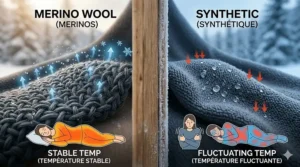
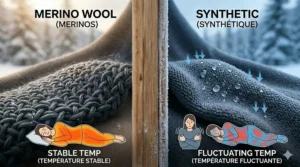
Merino wool’s temperature regulation capabilities make it uniquely suited to Canadian conditions where you might experience dramatic temperature swings throughout a single day. Through a process called “heat of sorption,” merino fibres release heat as they absorb moisture vapour, warming you in cold conditions. Conversely, as you heat up and perspire, the evaporative cooling effect helps prevent overheating. This dynamic thermoregulation means your base layer actively responds to your activity level and environmental conditions rather than simply providing static insulation.
Comparing Merino Wool to Alternative Base Layer Materials
Merino Wool vs Synthetic Base Layers
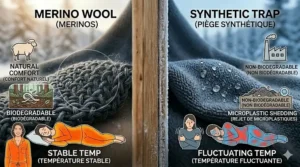
Synthetic base layers (polyester, nylon blends) excel at rapid moisture transport—they wick sweat faster than merino and dry more quickly when soaked. However, synthetics come with significant drawbacks for Canadian winter use. They retain odour aggressively, often becoming unwearable after a single day of activity. The plastic fibres don’t regulate temperature as effectively as natural merino, creating a cycle of overheating, sweating, and subsequent cooling that increases hypothermia risk during rest breaks.
Merino’s natural antimicrobial properties stem from lanolin, the protective wax coating sheep produce. This prevents bacterial growth that causes odour, allowing you to wear merino base layers for multiple days without washing—essential for backcountry trips where laundry isn’t an option. The biodegradable nature of wool also appeals to environmentally conscious Canadians seeking sustainable outdoor gear alternatives.
Merino Wool vs Traditional Cotton
Cotton remains popular for casual cold weather wear, but it’s potentially dangerous for serious winter activities. Cotton absorbs moisture readily but lacks merino’s ability to wick it away from skin and release it externally. Once saturated with sweat, cotton clings to your body, dramatically accelerating heat loss. Canadian safety guidelines specifically warn against cotton base layers for outdoor winter activities, as wet cotton can trigger hypothermia even in relatively mild conditions.
The phrase “cotton kills” is well-known among outdoor enthusiasts for good reason. In contrast, merino wool retains approximately 80% of its insulating properties even when wet, providing continued warmth if you get caught in unexpected weather or overexert yourself. For Canadian conditions where precipitation can arrive suddenly and temperatures fluctuate dramatically, this wet-weather performance could literally save your life.
How to Choose the Perfect Weight for Canadian Conditions
Base layer weight significantly impacts performance, and choosing correctly makes the difference between comfort and misery. Merino weights are measured in grams per square metre (g/m²), with higher numbers indicating thicker, warmer fabric. Here’s how to select based on Canadian climate zones and activities:
Lightweight (130-170 g/m²): Best for high-output activities like backcountry skiing, winter trail running, or ice climbing where you generate substantial body heat. Also excellent for milder Canadian regions (coastal BC, southern Ontario autumn/spring) or as a summer layer in alpine environments. Canadian customers in Vancouver or Victoria often find lightweight merino sufficient for most winter days.
Midweight (180-230 g/m²): The versatile all-rounder for most Canadian winter conditions. Ideal for temperatures from 0°C to -20°C during moderate activities like snowshoeing, winter hiking, or cross-country skiing. This weight class handles the majority of Prairie winters, Southern Ontario cold snaps, and Maritime winter weather. Most Canadians should start their merino collection with a quality midweight set.
Heavyweight (240-280 g/m²): Reserved for extreme cold, low-output activities, or individuals who run cold. Essential for Manitoba, Saskatchewan, and Northern territories where -30°C to -40°C temperatures are common. Also perfect for stationary winter activities like ice fishing, winter photography, or wildlife watching where you’re not generating significant body heat. Consider heavyweight if you’re winter camping in exposed locations or pursuing multi-day ski touring where overnight temperatures plummet.
Temperature Guidelines for Canadian Provinces
British Columbia Coastal: Lightweight to midweight (mild, wet winters)
Alberta/BC Interior: Midweight to heavyweight (cold, dry conditions)
Prairie Provinces: Heavyweight primary, midweight backup (extreme cold)
Ontario/Quebec: Midweight year-round, heavyweight for deep winter
Maritimes: Midweight (moderate but variable temperatures)
Northern Territories: Heavyweight mandatory, layering essential
Fitted vs Loose Base Layer: What Works Best for Women
The fitted vs loose base layer women debate centers on maximizing moisture management versus layering flexibility. Fitted base layers work best for most winter activities because they maximize skin contact, enhancing moisture transfer from your body into the fabric. The snug fit also eliminates air gaps that can create cold spots, ensuring consistent warmth distribution.
However, “fitted” doesn’t mean restrictive. Quality women’s merino base layers incorporate stretch (either from wool’s natural elasticity or added elastane) that moves with your body during dynamic activities. Look for articulated knees on bottoms and gusseted underarms on tops—these design elements prevent binding during high-stepping through deep snow or reaching overhead while ice climbing.
Looser base layers have limited applications in winter. They work acceptably for very low-output activities where you’re layering heavily overtop, or in transitional seasons where temperature regulation matters less than comfort. Some Canadian women prefer slightly roomier fits for sleeping in cold tents, where the air gap provides insulation when movement is minimal. However, for active winter pursuits, fitted designs deliver superior performance.
Size Selection Tips for Canadian Women
Most merino brands run slightly small compared to North American casual wear sizing. If you’re between sizes, consider activity level: size up for low-output activities where you’ll layer heavily, size down for high-intensity pursuits where moisture management is paramount. Canadian customer reviews consistently note that European brands (Icebreaker, Smartwool) fit trimmer than American brands (Minus33, Merino.tech). Always check brand-specific size charts, as measurements vary significantly between manufacturers.
Understanding Flatlock Stitching and Chafe-Free Construction
Flatlock stitching base layer construction represents a critical but often overlooked feature in women’s thermal underwear. Traditional seams create raised ridges that rub against skin during movement, causing painful chafing during long winter activities. Flatlock seams lie completely flat against fabric surfaces, eliminating this friction point. For Canadian women spending hours on Nordic ski trails or snowshoeing through backcountry terrain, this construction detail prevents the raw, irritated skin that can ruin outdoor experiences.
Premium merino base layers also feature strategically placed seams that avoid high-friction areas. Offset shoulder seams prevent backpack straps from grinding seams into your skin during multi-hour approaches. Side seams positioned slightly forward or back avoid direct contact with hip belt pressure points. These chafe-free base layer seams considerations matter enormously for multi-day winter camping trips where you’re wearing base layers continuously and carrying heavy packs.
Canadian women with sensitive skin should particularly prioritize flatlock construction. The combination of cold-dry air (which dehydrates skin) and repetitive movement (which creates friction) makes winter activities especially prone to chafing. Merino’s natural softness helps, but poor seam placement can negate this advantage. Always check product descriptions and customer reviews specifically mentioning seam quality before purchasing—this seemingly minor detail significantly impacts real-world comfort.
Caring for Your Merino Wool Base Layers
Proper care extends the lifespan of quality merino base layers from years to decades. Despite merino’s delicate reputation, modern base layers are surprisingly easy to maintain with correct techniques. Most manufacturers recommend machine washing on gentle cycles with cold water, though hand washing in a sink provides the gentlest treatment. Use wool-specific detergents that maintain lanolin content and avoid harsh chemicals that damage delicate fibres.
The cardinal rule: never use hot water or high heat drying. Heat causes wool fibres to felt (shrink and mat together), permanently damaging your base layers. After washing, gently squeeze out excess water—never wring or twist—and lay flat on a towel to air dry. Avoid hanging wet merino, as the water weight can stretch out the fabric. Most quality merino base layers dry overnight in typical Canadian indoor environments.
Thanks to merino’s natural odour resistance, you don’t need to wash base layers after every use. Many experienced Canadian outdoor enthusiasts wear merino sets for 3-5 days of continuous winter camping before washing, simply airing them out overnight. This reduces water consumption, extends garment life by minimizing wash cycles, and makes backcountry trips more practical. For day trips, a quick rinse and air dry often suffices between longer washes.
Storage Tips for Canadian Seasons
During summer months when merino base layers aren’t in use, clean them thoroughly and store in breathable cotton bags with cedar blocks to deter moths. Merino’s natural fibre content makes it susceptible to moth damage if stored improperly. Never store in plastic bags, which trap moisture and can promote mildew. Keep base layers away from direct sunlight, which can fade colours and degrade fibres over time. Properly stored merino base layers will be ready for action when the first Canadian snowfall arrives.
Layering Systems for Maximum Canadian Winter Performance
Women’s merino wool long underwear forms the foundation of effective layering systems. The classic three-layer approach—base, mid, and outer—remains the gold standard for Canadian winter conditions, with each layer serving distinct functions. Your merino base layer manages moisture and provides light insulation. Mid-layers (fleece, down, synthetic insulation) trap warm air for primary insulation. Outer layers (hard shells, soft shells) block wind and precipitation while allowing moisture vapour to escape.
For extreme Canadian cold, consider a four-layer system: lightweight merino base layer next to skin, midweight merino over top, insulated mid-layer (down or synthetic), and weather-protective shell. This approach provides tremendous versatility—strip down to base layers during high-output ski touring ascents, add mid-layers for moderate descents, and don all layers during breaks or in exposed windswept areas.
The beauty of starting with quality merino base layers lies in their versatility. The same set that performs admirably on -5°C November hikes continues working effectively as your primary warmth source during May backcountry ski trips, or as a first layer under heavier insulation during -35°C January expeditions. This adaptability makes merino base layers arguably the single most important investment in your Canadian winter wardrobe.
✨ Elevate Your Winter Adventures
🔍 Ready to experience the merino difference? These premium base layers are available now on Amazon.ca with fast Canadian shipping. Click any product name to view current pricing, read customer reviews, and select your perfect size. Your next winter adventure awaits!
Real Canadian Customer Experiences
Across thousands of reviews on Amazon.ca, Canadian women consistently praise merino wool base layers for transforming their winter outdoor experiences. Common themes emerge: surprise at how thin fabric provides such effective warmth, amazement at going multiple days without developing odour, and appreciation for temperature regulation that prevents the sweat-freeze cycle common with synthetic base layers.
Winter campers in Quebec’s Laurentians report sleeping comfortably in -20°C conditions wearing only merino base layers and down sleeping bags. Ski instructors in British Columbia describe wearing the same merino set for full weeks of teaching without washing, simply airing overnight. Marathon runners in Ottawa note being able to start cold runs without shivering, then avoiding overheating as exertion increases—all with the same base layer.
Critical reviews typically focus on sizing inconsistencies between brands rather than performance issues. Some Canadian customers note that European brands run smaller than expected, while others find American brands too roomy. This highlights the importance of carefully checking size charts and reading brand-specific feedback before purchasing. Several reviewers recommend ordering two sizes initially with the expectation of returning one—worth the extra effort to ensure proper fit.
Environmental Impact and Sustainability Considerations
For environmentally conscious Canadian consumers, merino wool represents a significantly more sustainable choice than synthetic base layers. Merino is a renewable resource—sheep are shorn annually, producing new fleece continuously without harm to the animals. The fibre biodegrades completely within months when discarded, unlike synthetic fabrics that persist in landfills for centuries while shedding microplastics.
However, not all merino wool is created equal from a sustainability perspective. Look for certifications like Responsible Wool Standard (RWS) or ZQ Merino that verify ethical treatment of sheep and sustainable land management practices. Several brands including Icebreaker and Smartwool publicly commit to traceable, responsible wool sourcing—information increasingly important to Canadian consumers prioritizing ethical purchasing decisions.
The longevity of quality merino base layers also factors into sustainability calculations. While premium merino sets cost more initially than synthetic alternatives, their 5-10 year lifespan (with proper care) versus 1-2 years for synthetics makes them more economical and environmentally friendly over time. This durability, combined with reduced washing frequency thanks to odour resistance, significantly reduces overall environmental impact compared to cheaper alternatives requiring frequent replacement.
Frequently Asked Questions
❓ How does merino wool perform in extreme Canadian cold below -30°C?
❓ Can I machine wash and dry my merino wool base layers?
❓ What's the price range for quality merino base layers in Canada?
❓ How do I choose between fitted and loose base layers for winter camping?
❓ Does merino wool base layer moisture wicking work as well as synthetic fabrics?
Conclusion: Your Path to Winter Comfort
Women’s merino wool long underwear represents far more than simply another piece of outdoor gear—it’s the foundation upon which all successful Canadian winter adventures are built. Whether you’re planning multi-day winter camping expeditions in the Yukon, commuting through Prairie blizzards, or pursuing weekend snowshoe excursions in the Laurentians, the right base layer transforms cold weather from an endurance test into genuine enjoyment.
The seven options explored in this guide offer something for every Canadian woman’s needs and budget. Premium enthusiasts will appreciate the refined craftsmanship and proven durability of Icebreaker and Smartwool sets. Budget-conscious adventurers can confidently invest in Merino.tech or LAPASA knowing they’re getting legitimate performance without premium pricing. Heritage brands like Minus33 appeal to those valuing traditional quality and sustainable practices.
Remember that the best base layer is the one you’ll actually wear. Consider your primary winter activities, typical temperature ranges in your region, and how the base layer integrates with your existing layering system. Don’t underestimate fit—even the highest quality merino performs poorly if sizing is incorrect. Take time to carefully review size charts, read Canadian customer feedback, and don’t hesitate to order multiple sizes for comparison if budget allows.
As Canadian winters become increasingly unpredictable with climate change, having versatile, adaptable gear matters more than ever. Merino wool’s natural temperature regulation and moisture management capabilities make it uniquely suited to handling the dramatic temperature swings and varying conditions that characterize modern Canadian winters. Invest in quality base layers now, care for them properly, and they’ll serve faithfully through countless winter adventures for years to come.
Recommended for You
- 7 Best Merino Wool Base Layers Canada 2026
- 7 Best Budget Winter Sleeping Pads for Canada 2026
- Nemo Tensor Extreme vs XTherm: 7 Best Winter Pads Canada 2026
Disclaimer: This article contains affiliate links to Amazon.ca. If you purchase products through these links, we may earn a small commission at no additional cost to you.
✨ Found this helpful? Share it with your friends! 💬🤗
