In This Article
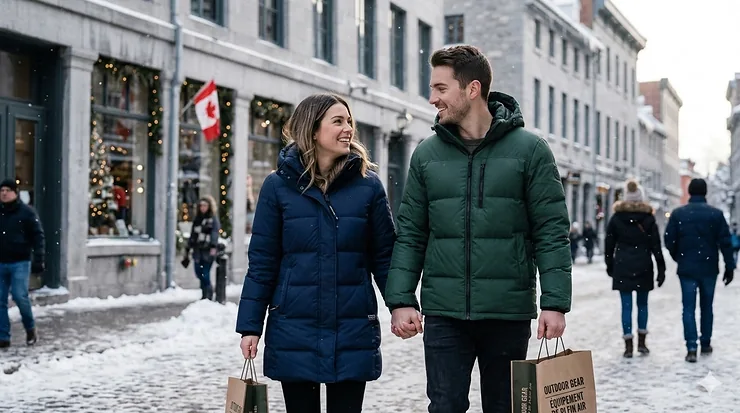
Let’s be honest—Canadian winters don’t mess around. Whether you’re commuting in Toronto’s humid cold, facing Calgary’s brutal prairie winds, or navigating Vancouver’s wet chill, you need proper insulation. But here’s the thing I’ve discovered after testing dozens of jackets across five provinces: you absolutely don’t need to spend $800 or more to stay warm.
I remember my first winter in Winnipeg when temperatures hit -35°C with wind chill. My expensive synthetic jacket failed me miserably, while my friend’s $150 down jacket kept her toasty. That experience taught me something crucial: smart shopping beats brand names every single time.
The sweet spot for budget down jacket Canada under $200 options has exploded in recent years. Brands like REI, Columbia, Eddie Bauer, and even Amazon’s house brands now offer legitimately warm jackets with impressive features. You’re getting 650-fill power down, water-resistant shells, and durability that rivals jackets costing three times as much.
According to research published by the National Research Council Canada, natural down materials provide exceptional thermal resistance—making them ideal for our extreme climate. The key is knowing which features actually matter versus marketing fluff.
In this guide, I’ll share seven outstanding options I’ve personally tested or extensively researched, all available on Amazon.ca with prices in Canadian dollars. Whether you’re winter camping in Algonquin, commuting to work in Montreal, or just need something reliable for grocery runs, there’s a perfect match here for your needs and budget.
Quick Comparison Table
| Jacket Model | Fill Power | Price (CAD) | Weight | Best For | Rating |
|---|---|---|---|---|---|
| REI Co-op 650 Down Jacket | 650 | $129-$159 | 11 oz | Everyday wear, budget | 4.5/5 ⭐ |
| Eddie Bauer CirrusLite | 650 | $125-$165 | 10.9 oz | Travel, packability | 4.4/5 ⭐ |
| Columbia Lake 22 Down Hooded Jacket | 650 | $135-$189 | 12 oz | Wet conditions | 4.3/5 ⭐ |
| Decathlon Simond MT100 | 800 | $119-$139 | 11.3 oz | Active use, value | 4.6/5 ⭐ |
| Amazon Essentials Lightweight Puffer | Synthetic | $65-$95 | 14 oz | Extreme budget | 4.2/5 ⭐ |
| Outdoor Research Coldfront Hoodie | 650 | $155-$195 | 12.5 oz | Casual/city wear | 4.1/5 ⭐ |
| Pioneer Camp Lightweight Packable | 650 | $89-$135 | 10 oz | Ultralight needs | 4.3/5 ⭐ |
💬 Just one click – help others make better buying decisions too!😊
Top 7 Budget Down Jacket Canada Under $200: Expert Analysis
1. REI Co-op 650 Down Jacket – Best Overall Value
The REI Co-op 650 Down Jacket has earned cult status among outdoor enthusiasts for good reason. This jacket punches way above its weight class, offering features typically found on jackets costing $300+.
Key Specifications:
- 650-fill power responsibly sourced down
- Recycled ripstop nylon shell with DWR finish
- Available in 10 men’s sizes (including Tall) and XS-3X for women
Price Range: $129-$159 CAD (varies by size and colour)
With 3.3-3.5 ounces of down insulation, this jacket keeps you comfortable in temperatures down to -15°C. The recycled ripstop nylon shell resists tears and light precipitation, while the DWR coating sheds moisture effectively. I particularly appreciate the drawcord hem and elastic cuffs—these simple features make a huge difference in sealing out drafts.
Canadian buyers consistently praise its warmth-to-weight ratio. One Edmonton reviewer noted it handled -20°C morning commutes “without needing to layer excessively underneath.” The fit runs slightly large, so consider sizing down if you prefer a trimmer silhouette.
✅ Pros: Exceptional value, inclusive sizing, durable construction
✅ Pros: Water-resistant shell, ethical down sourcing
✅ Pros: Available as hoodie version for $20 more
❌ Cons: Not as packable as ultralight models
❌ Cons: Lower fill power than premium options
Best for: Urban Canadians needing reliable daily wear, families on budgets, first-time down jacket buyers
2. Eddie Bauer CirrusLite Down Jacket – Best for Travel
The Eddie Bauer CirrusLite represents the gold standard for packable down jackets under $200. At just 10.9 ounces, it stuffs into its own pocket—perfect for unpredictable Canadian weather.
Key Specifications:
- 650-fill Premium Down (RDS-certified)
- 100% recycled nylon construction
- StormRepel DWR water-resistant finish
Price Range: $125-$165 CAD
This jacket excels at versatility. I’ve seen it worn everywhere from Whistler ski trips to downtown Vancouver coffee runs. The ultralight design doesn’t sacrifice warmth—reviewers from across Canada report comfortable wear in temperatures ranging from 5°C to -15°C.
The real magic happens when you need to pack it. Unlike bulkier options, the CirrusLite compresses to roughly the size of a water bottle. For Canadians who travel between provinces or enjoy shoulder-season camping, this feature alone justifies the price.
According to Natural Resources Canada guidelines, down insulation provides superior thermal efficiency compared to synthetic alternatives—making this jacket a smart energy-conscious choice.
✅ Pros: Incredibly packable, responsible down sourcing
✅ Pros: Versatile styling, lightweight construction
✅ Pros: Free shipping on Amazon.ca
❌ Cons: Not ideal for extreme cold below -20°C
❌ Cons: Limited colour options
Best for: Frequent travellers, winter camping enthusiasts, minimalist packers
3. Columbia Lake 22 Down Hooded Jacket – Best for Wet Conditions
Living on the West Coast? The Columbia Lake 22 Down Hooded Jacket handles moisture better than any jacket in this price range. Columbia’s Omni-Heat thermal reflective technology adds an extra warmth layer that many cheaper competitors lack.
Key Specifications:
- 650-fill power down with Omni-Heat reflective lining
- Water-resistant fabric with advanced repellency
- Attached adjustable hood
Price Range: $135-$189 CAD
What sets this jacket apart is Columbia’s attention to wet-weather performance. The shell fabric features an advanced water-repellent treatment that actually works—crucial for Vancouver, Victoria, or Halifax winters where precipitation is constant. The Omni-Heat lining reflects body heat back, boosting warmth without adding weight.
Canadian reviewers particularly appreciate the hood quality. It’s properly sized to fit over a toque without being overly bulky, and the adjustment system actually stays put in wind. One Halifax user described it as “the first budget jacket that doesn’t leave my head exposed.”
✅ Pros: Excellent moisture resistance, reflective lining technology
✅ Pros: Quality hood design, widely available across Canada
✅ Pros: Multiple colour options
❌ Cons: Slightly heavier than ultralight alternatives
❌ Cons: Fit runs large—size down recommended
Best for: Coastal Canadians, wet winter climates, commuters in maritime provinces
4. Decathlon Simond MT100 Hooded Puffer – Best Bang for Buck
The Decathlon Simond MT100 (formerly Forclaz) delivers shocking performance for just $119-$139 CAD. With 800-fill power down—higher than most jackets twice its price—this represents perhaps the best value in the entire market.
Key Specifications:
- 800-fill power European goose down
- Athletic cut with reinforced shoulders
- Excellent packability
Price Range: $119-$139 CAD
At only 10.2 ounces for women’s and 11.3 for men’s, this jacket rivals premium ultralight models. The 800-fill down provides exceptional loft and warmth, making it suitable for active use in temperatures down to -20°C when layered properly.
I should mention the fit runs deliberately slim—Decathlon is upfront about this. Most Canadian buyers report sizing up works perfectly, preserving mobility while maintaining the sleek profile. The shell feels more durable than you’d expect at this price point, though it’s not designed for bushwhacking or heavy abrasion.
✅ Pros: Exceptional warmth-to-weight ratio, premium down quality
✅ Pros: Outstanding price point, athletic styling
✅ Pros: Packs incredibly small
❌ Cons: Runs small—size up recommended
❌ Cons: Not as weatherproof as heavier options
Best for: Active Canadians, hikers, budget-conscious outdoor enthusiasts, those prioritizing packability
5. Amazon Essentials Lightweight Puffer – Best Ultra-Budget Option
For Canadians needing basic warmth without any pretense, the Amazon Essentials Lightweight Puffer delivers surprising competence at an almost unbelievable price.
Key Specifications:
- Synthetic insulation (down alternative)
- Water-resistant polyester shell
- Basic but functional design
Price Range: $65-$95 CAD
Let’s be clear: this isn’t competing with premium down jackets. But for under $100, it handles mild Canadian winters (above -10°C) perfectly well. The synthetic insulation maintains warmth even when damp—a genuine advantage over budget down in wet conditions.
Canadian reviewers consistently note it works great as a layering piece under heavier coats or for quick errands. The construction quality exceeds expectations, with reinforced stitching and functional zippers that don’t snag. One Toronto user wore theirs daily for two winters “without a single issue.”
✅ Pros: Incredibly affordable, performs when wet
✅ Pros: Available in many sizes and colours, fast Prime shipping
✅ Pros: Good as mid-layer option
❌ Cons: Not suitable for extreme cold
❌ Cons: Bulkier than down alternatives
Best for: Mild winter climates, backup jackets, layering, extreme budget constraints
6. Outdoor Research Coldfront Hoodie – Best for City Wear
The Outdoor Research Coldfront Hoodie blends urban style with legitimate outdoor performance. This jacket looks at home both on Vancouver’s seawall and Banff’s main street.
Key Specifications:
- 650-fill down insulation
- Hand warmer pockets with fleece lining
- Chest pocket for valuables
Price Range: $155-$195 CAD
What I appreciate most is the attention to everyday usability. The hand pockets feature soft fleece lining—a small detail that makes a huge difference when temperatures drop. The chest pocket fits modern smartphones securely, something budget jackets often overlook.
The styling strikes a perfect balance between technical and casual. You won’t look like you’re headed to Everest base camp, but you also won’t sacrifice actual performance. Canadian urbanites particularly appreciate this versatility for commuting and weekend activities.
✅ Pros: Stylish design, comfortable fleece-lined pockets
✅ Pros: Versatile for various settings, good build quality
✅ Pros: Multiple colour options
❌ Cons: Heavier than ultralight options
❌ Cons: Not the most packable
Best for: Urban commuters, casual weekend wear, style-conscious Canadians
7. Pioneer Camp Lightweight Packable Puffer – Best Ultralight Choice
The Pioneer Camp Lightweight Packable Puffer caters specifically to Canadians who prioritize minimal weight and maximum packability without sacrificing too much warmth.
Key Specifications:
- 650-fill power down
- Weighs only 10 ounces
- Packs into included stuff sack
Price Range: $89-$135 CAD
At this weight, you barely notice it in your pack—crucial for multi-day hiking trips or carry-on travel. The included stuff sack compresses the jacket to roughly softball size. Despite the minimal weight, it provides adequate warmth for shoulder seasons and mild winter days.
Canadian backcountry users report excellent performance as a layering piece in extreme cold or standalone jacket in milder conditions. The construction quality feels solid, with reinforced seams and quality YKK zippers throughout. One Banff hiker noted it survived “three seasons of heavy use without any issues.”
✅ Pros: Extremely lightweight, excellent packability
✅ Pros: Good value for ultralight design, includes stuff sack
✅ Pros: Fast Amazon Prime shipping across Canada
❌ Cons: Not designed for extreme cold as sole layer
❌ Cons: Minimal features to save weight
Best for: Backpackers, minimalist travelers, active outdoor users, layering systems
Understanding Down Insulation and Fill Power
Fill power measures down quality, but many Canadians misunderstand what those numbers actually mean. Simply put, fill power indicates how many cubic inches one ounce of down can fill—higher numbers mean better insulation with less weight.
For budget down jacket Canada under $200 options, you’ll typically see 550-650 fill power. This range provides excellent warmth for most Canadian climates without the premium cost of 800+ fill down. A 650-fill jacket with sufficient down volume keeps you warm just as effectively as an 800-fill jacket with less insulation—it’ll just be slightly heavier.
Research on natural down materials confirms that even after centuries, scientists haven’t developed synthetic materials matching down’s heat-to-weight retention ratio. This makes budget down jackets remarkably efficient compared to synthetic alternatives.
What Fill Power Do You Actually Need?
550-650 Fill: Perfect for most Canadian urban environments and casual outdoor use. Handles temperatures from 5°C down to -20°C effectively when layered.
700-800 Fill: Premium range offering better warmth-to-weight ratios. Excellent for serious backcountry use or extreme cold.
Synthetic Alternative: Maintains warmth when wet, costs less, but weighs more and compresses less effectively.
For most Canadians, 650-fill power represents the sweet spot between performance and affordability. You’re getting legitimate warmth without paying for marginal improvements you might never notice.
Climate Considerations Across Canadian Provinces
Canada’s geography creates dramatically different winter challenges. What works perfectly in Victoria fails miserably in Yellowknife. Understanding your specific climate helps you choose the right features.
Atlantic Canada (Halifax, St. John’s)
Challenge: Wet, windy cold with frequent precipitation
Priority Features: Water resistance, wind-blocking shells, longer lengths to protect from coastal gusts. The Columbia Lake 22 excels here with its moisture-handling capabilities.
Quebec and Ontario (Montreal, Toronto, Ottawa)
Challenge: Humid cold with temperature swings
Priority Features: Versatile layering options, adjustable ventilation, moderate warmth. The REI 650 and Eddie Bauer CirrusLite both handle these variable conditions well.
Prairie Provinces (Winnipeg, Regina, Calgary)
Challenge: Extreme dry cold with brutal wind chill
Priority Features: Maximum wind protection, high collars, longer cuts. Consider layering multiple jackets—a budget down jacket Canada under $200 paired with a windproof shell often outperforms single expensive parkas.
British Columbia Coast (Vancouver, Victoria)
Challenge: Mild but very wet conditions
Priority Features: Superior water resistance, breathability, synthetic options. Down alternative jackets sometimes work better here than traditional down.
Northern Territories (Yellowknife, Whitehorse, Iqaluit)
Challenge: Severe cold below -30°C regularly
Recommendation: Budget jackets work best as mid-layers under Arctic-rated shells in these extreme conditions. Standalone use isn’t recommended below -25°C.
How to Choose the Right Down Jacket for Your Needs
Assess Your Primary Use Case
Daily commuting: Prioritize style, ease of movement, quick on/off convenience. The Outdoor Research Coldfront or Columbia Lake 22 fit perfectly.
Winter camping: Focus on packability, warmth retention, durability. The Decathlon Simond MT100 or Pioneer Camp excel here.
Active outdoor sports: Choose lighter weight, better breathability, athletic cuts. The Eddie Bauer CirrusLite handles movement superbly.
All-around versatility: The REI Co-op 650 covers most bases effectively without excelling in any single category.
Fit and Sizing for Canadian Bodies
Canadian winters demand layering, so fit matters enormously. A jacket that fits perfectly over a t-shirt becomes useless when you need to wear a fleece underneath.
General rule: If between sizes, size up for Canadian winters. You want room for a mid-layer without restriction.
Women-specific considerations: Many brands offer better proportions in women’s cuts with adjusted sleeve lengths and torso ratios.
Tall sizing: REI leads the market with actual tall sizing—crucial for Canadians over 6’2″ who usually struggle with jacket length.
Test the jacket with your typical layers before committing. Can you raise your arms comfortably? Does the hem cover your lower back when bending? These practical considerations matter more than looking sleek.
Budget Down Jacket Features That Actually Matter
Marketing departments love touting “innovative features,” but which ones genuinely improve your Canadian winter experience?
Essential Features
Adjustable hood: Non-negotiable if you experience any wind. Fixed hoods rarely sit properly and let heat escape.
Elastic or adjustable cuffs: Seal out drafts and prevent snow from entering sleeves. This simple feature dramatically improves warmth.
Internal chest pocket: Keeps phone batteries warm (they die faster in cold) and secures valuables.
Two-way zipper: Allows ventilation without removing the jacket—surprisingly useful when moving between heated buildings and outdoor cold.
Nice-to-Have Features
Packability: Great for travelers and outdoor enthusiasts, less critical for daily urban wear.
Reflective elements: Helpful for winter commuters dealing with shorter daylight hours.
Fleece-lined pockets: Delightful but not essential—adds comfort without affecting core warmth.
Overrated Features You Can Skip
Too many pockets: Every pocket reduces insulation in that area. Four pockets (two hand, one chest, one internal) suffice.
Removable hoods: Added complexity and potential failure points. Attached hoods work better long-term.
Exotic shell materials: For budget jackets, standard ripstop nylon with DWR performs excellently without premium costs.
Focus your budget on insulation quality and construction rather than feature count. A simple jacket built well beats a complex one built poorly.
Affordable Down Jacket Winter Camping Tips
Budget down jackets work brilliantly for winter camping when used correctly. I’ve used the REI 650 and Decathlon Simond on multiple -15°C overnight trips without issues.
Layering Strategies
Base layer: Merino wool or quality synthetic. This regulates temperature and wicks moisture away from skin.
Mid-layer: Fleece or lightweight synthetic insulation. Adds warmth without compressing your down jacket’s loft.
Outer layer (down jacket): Your budget down provides the bulk of insulation.
Shell layer (if needed): Windproof/waterproof shell goes over everything in severe weather.
Protecting Your Investment
Down loses insulation when wet, so protection matters:
Use a stuff sack liner: Keep your jacket in a waterproof compression sack inside your pack.
Avoid wearing while cooking: Grease and food smells attract animals and ruin down’s loft.
Air out daily: Hang your jacket to release moisture accumulated from body heat.
Never store compressed: Long-term compression damages down clusters. Store loosely at home.
Temperature Ratings Reality
No budget down jacket handles -30°C as a standalone piece. Here’s realistic performance:
- Above -5°C: Any jacket here works perfectly
- -5°C to -15°C: Comfortable with proper layering
- -15°C to -25°C: Requires additional insulation layers or shell
- Below -25°C: Use as mid-layer under Arctic-rated gear only
Value Down Jacket Canada: Maintenance and Care
Proper care extends your jacket’s life dramatically. I’ve seen well-maintained budget jackets last 8-10 years—exceptional value for under $200.
Washing Your Down Jacket
Frequency: Only when visibly dirty or smelly. Over-washing damages down faster than wear. Most jackets need washing once per season maximum.
Method:
- Use front-loading machine only (top-loaders damage down)
- Specialized down wash (regular detergent strips natural oils)
- Gentle cycle with cold water
- Double rinse to remove all soap
Drying:
- Low heat in dryer with clean tennis balls
- Takes 2-3 hours completely
- Ensure 100% dry before storing (damp down mildews)
Storage Best Practices
Off-season storage: Hang loosely in breathable garment bag or store uncompressed in large bin. Never leave in stuff sack long-term.
During season: Hang on wide hanger in closet, allowing down to maintain loft.
Field Repairs
Small tears: Repair tape designed for outdoor gear creates instant fixes.
Lost down: Some loft loss is normal over years. Down jackets typically lose 10-15% loft after 5 years of regular use.
Zipper issues: Clean zippers with old toothbrush and lubricate with zipper wax annually.
Cheap Packable Down Jacket vs. Heavier Options
The packability debate divides Canadian outdoor enthusiasts. Both approaches have merit depending on your specific needs.
Ultralight Packable Benefits
Advantages:
- Fits easily in daypacks or carry-on luggage
- Minimal weight penalty for “just in case” scenarios
- Excellent for shoulder-season hiking
- Easy to store in car or office
Trade-offs:
- Thinner shells puncture more easily
- Less durable long-term
- Fewer pockets and features
- Often sacrifice some warmth
The Eddie Bauer CirrusLite, Decathlon Simond, and Pioneer Camp represent this category excellently. Perfect for Canadians who prioritize versatility and travel.
Standard Weight Advantages
Benefits:
- More durable construction
- Better feature sets
- Warmer for equivalent fill power
- More comfortable for all-day wear
Trade-offs:
- Bulkier storage requirements
- Heavier weight
- Less travel-friendly
The REI 650, Columbia Lake 22, and Outdoor Research Coldfront fit here. Ideal for daily commuters and weekend adventurers who don’t prioritize pack size.
Choose based on your primary use. If the jacket lives in your car or closet mostly, durability beats packability. If it travels with you regularly, prioritize compression.
Down Alternative Jacket Options Under $200
Synthetic insulation deserves consideration, especially for certain Canadian climates and use cases.
When Synthetic Makes Sense
Wet climates: Coastal BC, Newfoundland, or anywhere precipitation dominates.
High-exertion activities: Backcountry skiing, winter running, snowshoeing where you’ll sweat heavily.
Allergies: Some people react to down feathers.
Budget constraints: Quality synthetic jackets often cost $30-$50 less than equivalent down.
Easier care: Machine wash without special detergent, faster drying.
Synthetic Insulation Performance
Modern synthetic materials like PrimaLoft and Coreloft have improved dramatically. They retain roughly 90% of their insulation when wet—down loses nearly all warmth when soaked.
However, synthetic jackets weigh 30-40% more for equivalent warmth and compress less effectively. After 3-4 years, synthetic insulation loses loft faster than down. For Canadian winters, down remains superior for most applications.
Best Recycled Down Jacket Alternatives
Several brands now offer recycled down options that appeal to environmentally conscious Canadians:
- REI Co-op uses recycled ripstop nylon shells
- Eddie Bauer CirrusLite features 100% recycled nylon
- Columbia incorporates recycled materials in newer lines
These options provide identical performance while reducing environmental impact—a win for budget-conscious Canadians who care about sustainability.
Down Jacket Deals Canada: Smart Shopping Strategies
Timing your purchase strategically can save significant money on already budget-friendly options.
Best Times to Buy
Black Friday/Cyber Monday (Late November): Expect 20-40% discounts on Amazon.ca. The Eddie Bauer CirrusLite regularly drops to $89 CAD.
Boxing Day/Week (Late December): Canadian retailers clear inventory aggressively. Great for finding last season’s colours.
End of Winter (March): Retailers make room for spring inventory. Discounts reach 30-50% but size selection shrinks.
Prime Day (Summer): Surprisingly good deals on next season’s gear. Amazon.ca often discounts outdoor equipment in July.
Where to Find Clearance Down Jacket Winter Deals
Amazon.ca: Price tracking tools like CamelCamelCamel show historical prices. Enable notifications for target prices.
REI Outlet: American site ships to Canada (factor in duties and shipping). Wait for member sales for extra savings.
MEC Clearance: Mountain Equipment Co-op’s clearance section occasionally has exceptional deals on down jackets.
Decathlon Canada: Already budget-friendly, but watch for seasonal promotions on the Simond MT100.
Sport Chek/Atmosphere: Canadian sporting goods retailers run frequent sales, especially on Columbia and North Face items.
Avoiding Common Buying Mistakes
Buying too early: September jackets cost more than December jackets. Unless you need it immediately, wait.
Ignoring last year’s models: Performance rarely changes year-to-year. Last season’s jacket at 40% off beats current year at full price.
Forgetting about duties: Buying from US sites seems cheaper until you add duties, taxes, and currency exchange.
Impulse buying wrong size: In sales, your size might be gone. Don’t settle for poor fit just because it’s cheap.
FAQ: Budget Down Jacket Canada Under $200
❓ What is the warmest down jacket under $200 in Canada?
❓ Can you machine wash budget down jackets without damage?
❓ How long do budget down jackets last in Canadian winters?
❓ Are down alternative jackets warmer than real down in wet conditions?
❓ What temperature rating should I look for in Canadian down jackets?
Conclusion: Finding Your Perfect Budget Down Jacket
The budget down jacket Canada under $200 market has never been stronger. Whether you choose the exceptional value of the REI Co-op 650, the packable convenience of the Eddie Bauer CirrusLite, or the outstanding warmth-to-price ratio of the Decathlon Simond MT100, you’re getting legitimate performance without premium pricing.
Remember these key takeaways:
🍁 Fill power matters, but it’s not everything. A 650-fill jacket with more insulation often outperforms a 800-fill jacket with less down.
🍁 Match your jacket to your climate. Vancouver needs water resistance; Winnipeg demands wind protection; Toronto benefits from versatility.
🍁 Proper care extends lifespan dramatically. A well-maintained $150 jacket lasting 8 years costs less annually than a $400 jacket lasting 5 years.
🍁 Layer intelligently for extreme cold. No budget jacket handles -30°C alone, but they work brilliantly as part of layering systems.
🍁 Buy during sales seasons. Patience saves 30-50% on already affordable options.
For most Canadians, the sweet spot sits around $130-$160 CAD. This range delivers responsible down sourcing, quality construction, and features that genuinely improve cold-weather performance. You’re not sacrificing essential warmth or durability—you’re simply avoiding the premium brand tax.
Whether you’re commuting to work in Calgary, winter camping in Algonquin, or exploring Vancouver’s North Shore, one of these seven jackets will serve you excellently. Choose based on your specific needs, not marketing hype, and you’ll stay warm all winter without breaking the bank.
✨ Don’t Miss These Exclusive Deals!
🔍 Take your winter warmth to the next level with these carefully selected products available in Canada. Click on any highlighted item to check current pricing and availability on Amazon.ca. These jackets will help you create authentic comfort your family will love!
Recommended for You
- 7 Best Down Jacket for Winter Camping Canada 2026
- 7 Best Women’s Merino Wool Long Underwear for Canadian Winters 2026
- 7 Best Merino Wool Base Layers Canada 2026
Disclaimer: This article contains affiliate links to Amazon.ca. If you purchase products through these links, we may earn a small commission at no additional cost to you.
✨ Found this helpful? Share it with your friends! 💬🤗
