
In This Article
Picture this: you’ve just hiked through the crisp mountain air in Banff, and all you want is a steaming hot shower in your RV. You turn on the tap and… nothing but lukewarm disappointment. Sound familiar?
Choosing the right camper hot water tank isn’t just about comfort – it’s about transforming your entire RV experience. Whether you’re weekend camping in Ontario’s provincial parks or spending winters in British Columbia, having a reliable hot water system makes the difference between roughing it and truly enjoying the RV lifestyle.
Canadian RVers face unique challenges. Our dramatic temperature swings – from scorching prairie summers to subzero mountain winters – demand water heaters that can perform reliably year-round. Plus, with propane costs fluctuating and campground electrical hookups not always guaranteed, efficiency matters more than ever.
In this comprehensive guide, I’ll walk you through seven outstanding camper hot water tank options available on Amazon.ca in 2026. From budget-friendly propane models to premium tankless systems, you’ll discover which water heater matches your camping style, rig size, and budget. Whether you’re upgrading an aging Suburban tank or converting to an energy-saving tankless system, you’ll find expert analysis grounded in real Canadian conditions.
Quick Comparison Table
| Product | Type | Capacity/Power | Price Range (CAD) | Best For | Rating |
|---|---|---|---|---|---|
| Suburban ST-60 Tankless | Tankless | 60,000 BTU | $775-$850 | Full-time RVers | ⭐⭐⭐⭐⭐ |
| VEVOR 55,000 BTU | Tankless | 55,000 BTU | $415-$450 | Budget-conscious | ⭐⭐⭐⭐ |
| FOGATTI InstaShower 8 Plus | Tankless | 55,000 BTU, 2.9 GPM | $480-$550 | Families | ⭐⭐⭐⭐½ |
| CAMPLUX Classic 65,000 BTU | Tankless | 65,000 BTU, 2.64 GPM | $520-$600 | High-altitude camping | ⭐⭐⭐⭐⭐ |
| Dometic WH-6GEA | Tank (Hybrid) | 6 Gallon, Gas/Electric | $550-$650 | Weekend campers | ⭐⭐⭐⭐ |
| Feelrogast 8-Gallon Electric | Tank (Electric) | 8 Gallon, 1500W | $180-$230 | Stationary RVs | ⭐⭐⭐½ |
| KINGRVER 6-Gallon Tank | Tank (Hybrid) | 6 Gallon, DSI | $420-$500 | Traditional users | ⭐⭐⭐⭐ |
💬 Just one click – help others make better buying decisions too! 😊
Top 7 Camper Hot Water Tank Options: Expert Analysis
1. Suburban ST-60 Tankless RV Water Heater – Premium Endless Hot Water
The Suburban ST-60 represents the gold standard in RV water heating for Canadian conditions. With its powerful 60,000 BTU output, this tankless system delivers truly endless hot water while consuming minimal propane compared to traditional tank models.
Key Specifications:
- 60,000 BTU heating capacity
- Digital control center included
- Advanced flame-out protection
- Scald protection with high-temp kill switch
- Child lock feature (max 113°F output)
Price: $775-$850 CAD on Amazon.ca
Canadian Performance: This unit excels in Canada’s varied climates. The anti-freeze protection system automatically prevents damage during those unexpected October frosts in Alberta or early spring trips through the Yukon. Canadian buyers particularly appreciate the freeze protection feature that activates below 43°F.
Customer Feedback: Reviews from Canadian RVers highlight exceptional reliability through multiple seasons. One Ontario full-timer noted “survived two harsh winters without issues – worth every penny for year-round living.”
✅ Pros:
- Genuinely endless hot water supply
- Energy-efficient operation saves propane
- Excellent safety features for families
❌ Cons:
- Higher upfront investment
- Requires 12V DC power source
2. VEVOR RV Tankless Water Heater 55,000 BTU – Best Budget Value
The VEVOR 55,000 BTU model proves you don’t need to break the bank for quality tankless performance. This Chinese-manufactured unit has earned strong ratings from Canadian buyers who appreciate its combination of affordability and reliability.
Key Specifications:
- 55,000 BTU power output
- 15″ x 15″ white or black door options
- LED display with touch controls
- Multiple safety protections
- Compatible with most RV cutouts
Price: $415-$450 CAD
Canadian Availability: Ships quickly within Canada, often within 2-3 business days to major centres. Many Canadian customers report easy installation replacing older Suburban or Atwood tanks.
Customer Insights: A British Columbia RVer mentioned, “Replaced our old 6-gallon Suburban tank. Installation took about 2 hours with basic tools. Been using it for six months through summer heat and fall cold – performs flawlessly.”
✅ Pros:
- Excellent value for money
- Quick heating response
- Straightforward installation process
❌ Cons:
- Customer service can be slow
- Some units arrived with minor cosmetic blemishes
3. FOGATTI RV Tankless Water Heater InstaShower 8 Plus – Family Favourite
The FOGATTI InstaShower 8 Plus stands out for families and couples who demand consistent performance. Its 55,000 BTU output and advanced temperature control make it ideal for households where multiple people need showers without compromising comfort.
Key Specifications:
- 55,000 BTU, up to 2.9 GPM
- High altitude performance (up to 9,800 feet)
- 15″ x 15″ door with remote controller
- CSA and NSF certified
- Dual anti-freeze protection
Price: $480-$550 CAD on Amazon.ca
Canadian Winter Performance: FOGATTI’s double anti-freeze system automatically activates when temperatures drop below 43°F, making it particularly suitable for Canadian shoulder seasons. The system heats internal components to 48°F before shutting down, preventing freeze damage.
User Experience: Canadian families praise the consistent temperature control. “Our teenage daughters can take back-to-back showers without complaints about cold water,” shares a Saskatchewan family.
✅ Pros:
- Over 40 minutes of continuous hot water
- Excellent altitude performance for Rockies camping
- Strong safety certifications for Canadian market
❌ Cons:
- Slightly higher propane consumption than competitors
- Remote controller range limited to 2 metres
4. CAMPLUX Classic 65,000 BTU – High-Altitude Champion
For Canadians who love exploring the Rocky Mountains or camping at elevation, the CAMPLUX Classic 65,000 BTU delivers unmatched performance. This unit’s superior BTU output and wind-resistant design make it the go-to choice for high-altitude adventures.
Key Specifications:
- 65,000 BTU power (highest in class)
- 2.64 GPM flow rate
- CSA/NSF certified for Canadian market
- Freeze-proof design
- High altitude ready (9,800+ feet)
Price: $520-$600 CAD
Mountain Performance: The upgraded fan system and oxygen-free copper heat exchanger ensure reliable operation even at extreme elevations. Canadian customers report excellent performance at locations like Lake Louise and Jasper.
Real-World Testing: An Alberta camper shared, “Took it to 8,000 feet in the Rockies during a windy September weekend. Performed perfectly despite 50+ km/h winds. Temperature stayed consistent throughout our showers.”
✅ Pros:
- Industry-leading BTU output
- Exceptional wind and altitude resistance
- Built-in mixing tank prevents temperature spikes
❌ Cons:
- Premium pricing
- Heavier than similar models (affects installation)
5. Dometic WH-6GEA Hybrid RV Water Heater – Versatile Traditional Option
The Dometic WH-6GEA offers the best of both worlds with its hybrid gas/electric operation. This 6-gallon tank model appeals to Canadian RVers who want the reliability of a tank system with the flexibility to use campground electricity when available.
Key Specifications:
- 6-gallon aluminum-clad tank
- Dual fuel: LP gas + 120V electric
- Direct spark ignition (DSI)
- Quick-heating burner system
- Lightweight aluminum construction
Price: $550-$650 CAD
Energy Flexibility: Canadian RVers love the ability to switch between propane and electricity. Use electric hookups at provincial parks to conserve propane, then switch to gas for boondocking adventures.
Canadian Buyer Feedback: “Perfect for our camping style,” notes a Quebec RVer. “Electric mode at campgrounds is whisper quiet and conserves our propane for cooking. Gas mode works great when we’re off-grid.”
✅ Pros:
- Dual-fuel flexibility saves money
- Proven Dometic reliability
- Corrosion-resistant aluminum tank
❌ Cons:
- Limited 6-gallon capacity for families
- Recovery time slower than tankless
- Requires anode rod maintenance
6. Feelrogast 8-Gallon Electric Tank Water Heater – Budget Electric Solution
The Feelrogast 8-Gallon electric model offers an affordable option for RVers with consistent electrical hookups or those converting stationary trailers into guest accommodations.
Key Specifications:
- 8-gallon capacity
- 120V, 1500W heating element
- 316 stainless steel construction
- Digital temperature display (86-167°F)
- Wall or floor mounting options
Price: $180-$230 CAD
Best Use Cases: Ideal for seasonal campers in Ontario, Quebec, or Maritime provinces who primarily stay at full-service campgrounds. Also popular for converted RVs used as backyard guest suites or fishing cabins.
Installation Insight: The compact design fits easily in tight spaces. One Canadian buyer noted, “Installed it in my ice fishing trailer. Runs perfectly on a generator for weekend trips.”
✅ Pros:
- Very affordable price point
- Simple electric operation
- Larger 8-gallon capacity
- No propane required
❌ Cons:
- Requires constant 120V power
- Not suitable for off-grid camping
- Slower reheat time than propane
- Higher electricity costs
7. KINGRVER 6-Gallon Hybrid Tank Water Heater – Reliable Traditional Choice
The KINGRVER 6-Gallon tank model combines traditional reliability with modern convenience. Featuring both propane and electric heating, plus a built-in lifetime anode rod, this unit appeals to RVers who prefer proven tank technology.
Key Specifications:
- 6-gallon porcelain-lined tank
- Propane + electric dual operation
- Direct Spark Ignition (DSI)
- Built-in lifetime anode rod (no replacement needed)
- Quick recovery heating
Price: $420-$500 CAD on Amazon.ca
Canadian-Friendly Features: The DSI system eliminates the need for pilot lights, making operation simple and reliable in cold Canadian weather. The lifetime anode rod is a significant advantage, eliminating the annual maintenance task that plagues traditional tanks.
User Reviews: Maritime campers appreciate the corrosion resistance in coastal environments. “Perfect for our Nova Scotia beach camping,” one reviewer shared. “The lifetime anode saves us the hassle of annual replacements.”
✅ Pros:
- Lifetime anode rod eliminates maintenance
- Reliable DSI ignition system
- Dual-fuel flexibility
- Proven tank design
❌ Cons:
- 6-gallon capacity limits family use
- Heavier than tankless alternatives
- Requires winterization in cold storage
Understanding Camper Hot Water Tank Types in Canada
When shopping for a camper hot water tank, understanding the fundamental differences between tank and tankless systems helps you make the right choice for your Canadian RV adventures.
Tank-Style Water Heaters
Traditional tank systems store 4 to 16 gallons of pre-heated water. Most Canadian RVs come equipped with 6-gallon or 10-gallon models from manufacturers like Suburban, Atwood, or Dometic.
How They Work: These systems continuously heat water in an insulated tank, maintaining temperature even when you’re not using it. When you open a hot tap, water flows directly from the tank while cold water enters to be heated.
Canadian Considerations: Tank systems offer familiarity and reliability. However, they consume energy continuously to maintain temperature – a consideration when boondocking in remote Canadian locations. The recovery rate (typically 10-12 gallons per hour for 6-gallon propane models) determines how quickly the tank reheats after use.
Tankless/On-Demand Water Heaters
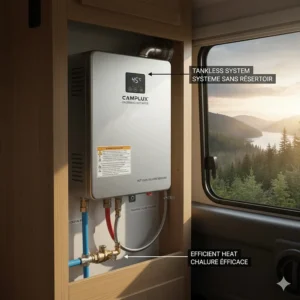
Tankless systems have surged in popularity among Canadian RVers, particularly those traveling long-term or frequently boondocking. These units heat water only when needed, passing it through a heat exchanger powered by propane burners.
Operational Advantages: The instant heating capability means truly unlimited hot water – crucial for families or when taking multiple showers. You’ll never experience that dreaded lukewarm final rinse.
Energy Efficiency: Tankless models consume approximately 30-40% less propane than tank systems because they don’t maintain water temperature 24/7. For full-timers traveling across Canada, this translates to significant propane savings over a season.
Climate Adaptability: Modern tankless water heaters include anti-freeze protection systems essential for Canadian conditions, according to Natural Resources Canada’s guidelines on gas-fired water heaters.
Hybrid Systems
Hybrid models like the Dometic WH-6GEA combine tank storage with dual-fuel capability (propane and electric). These versatile systems let you optimize your fuel source based on availability and cost – using electric hookups at provincial parks while saving propane for off-grid adventures.
Fuel Type Comparison: Making the Right Choice for Canadian Conditions
| Fuel Type | Advantages | Best For Canadian RVers | Considerations |
|---|---|---|---|
| Propane Only | Works anywhere, reliable in cold, fast heating | Boondockers, winter campers, remote travel | Propane costs vary by province |
| Electric Only | Quiet operation, lower per-use cost, simple | Seasonal campers at full-service parks | Requires 120V hookup |
| Propane + Electric | Maximum flexibility, conserve propane at parks | Weekend campers, varied camping styles | Higher initial cost |
| Diesel/Gasoline | Uses RV fuel supply, excellent for motorhomes | Full-time motorhome travelers | Complex systems, professional installation |
How to Choose Your Camper Hot Water Tank in Canada
Step 1: Assess Your Hot Water Needs
Calculate your typical daily hot water usage. A couple typically manages well with a 6-gallon tank or a low-BTU tankless model. Families with teenagers or those who enjoy long showers should consider 10-gallon tanks or higher-BTU tankless systems (60,000+ BTU).
Step 2: Consider Your Camping Style
Weekend Warriors: If you primarily camp at provincial or private campgrounds with full hookups, a hybrid electric/propane tank offers convenience and cost savings.
Boondockers: For off-grid adventures in Canada’s wilderness, propane-powered tankless systems provide unlimited hot water without draining battery power.
Full-Timers: Year-round Canadian RVers benefit most from high-efficiency tankless systems with robust freeze protection and propane savings.
Step 3: Evaluate Your RV’s Infrastructure
Check your existing cutout dimensions – most Canadian RVs use standard 13″ x 13″ openings with 15″ x 15″ doors. Verify your propane system capacity (most require at least 50,000 BTU available) and 12V DC power supply for ignition systems.
Step 4: Budget for Total Cost of Ownership
Beyond purchase price, factor in:
- Installation costs (DIY vs. professional)
- Propane consumption rates
- Maintenance requirements (anode rods for tanks)
- Potential propane savings over time
- Shipping costs within Canada
Step 5: Review Canadian Certifications
Ensure your chosen water heater carries CSA (Canadian Standards Association) certification, essential for safety and often required for insurance coverage. All products recommended in this guide meet Canadian safety standards.
Installation and Maintenance Tips for Canadian RVers
Professional vs. DIY Installation
While many Canadian RVers successfully install water heaters themselves, consider professional installation if you’re uncomfortable with propane connections or electrical work. Licensed RV technicians across Canada charge $150-$400 CAD for water heater installation, ensuring compliance with CSA B149.1 propane installation standards.
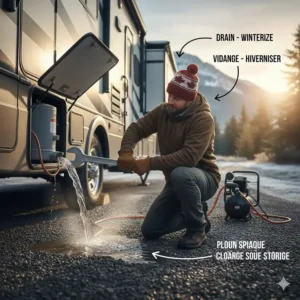
Winterization Essentials
Canadian RVers must winterize water heaters before storage in freezing conditions. The RV101 maintenance guide recommends:
- Turn off propane and electrical power
- Open pressure relief valve
- Remove drain plug and allow complete drainage
- Use RV antifreeze in supply lines (pink RV antifreeze, not automotive)
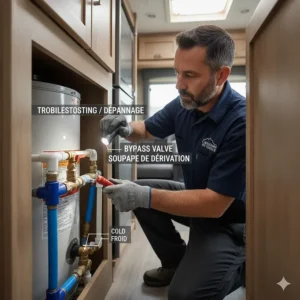
- Bypass the water heater during winterization to avoid filling it with antifreeze
Regular Maintenance Schedule
Tank Models:
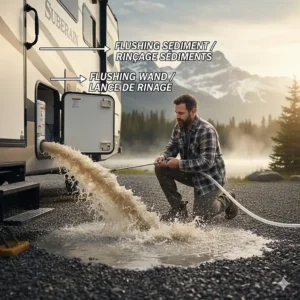
- Flush tank 3-4 times annually to remove calcium buildup
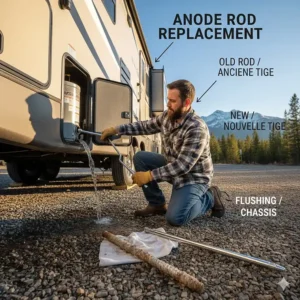
- Inspect anode rod annually; replace when less than 50% remains
- Check burner tube for spider nests before each season
- Test pressure relief valve monthly during use
Tankless Models:
- Descale heat exchanger annually using white vinegar
- Clean air intake filters monthly
- Inspect exhaust vent for blockages
- Verify ignition electrode gap annually
For comprehensive maintenance guidance, consult the Lippert RV water heater maintenance guide.
✨ Don’t Miss These Exclusive Deals!
🔍 Take your RV hot water system to the next level with these carefully selected products available in Canada. Click on any highlighted item to check current pricing and availability on Amazon.ca. These water heaters will help you create authentic comfort your family will love during every Canadian adventure!
Troubleshooting Common Issues
Problem: Water Not Getting Hot Enough
Tank Systems: Check thermostat setting, inspect heating element (electric models), verify gas pressure and burner flame pattern (propane models).
Tankless Systems: Confirm adequate propane supply, check for flow restrictions, verify minimum flow rate is met (typically 0.4-0.5 GPM).
Problem: Pilot Light Won’t Stay Lit (Propane Models)
Clean thermocouple sensor, check for propane supply issues, inspect for drafts around venting. In extremely cold Canadian weather (below -20°C), propane pressure can drop – consider insulating propane lines or using winter-grade propane blends available at Canadian suppliers.
Problem: Inconsistent Temperature
Tank Systems: Replace faulty thermostat, check anode rod condition (heavy corrosion affects heating), flush sediment from tank.
Tankless Systems: Adjust flow rate, clean heat exchanger from calcium deposits, verify burner operation across all heating stages.
Problem: Water Heater Won’t Ignite
Check 12V battery voltage (must be above 11.5V), verify propane valve is fully open, inspect igniter electrode for proper gap (typically 3-4mm), ensure DSI board connections are secure.
Energy Efficiency and Cost Savings in Canada
Canadian propane prices fluctuate seasonally and regionally, typically ranging from $0.60 to $1.20 per litre. A tankless water heater can reduce propane consumption by 30-40% compared to tank models because it doesn’t continuously maintain water temperature.
Real-World Savings Example:
- Tank system: ~0.5-0.7 litres/day (standby loss + usage)
- Tankless system: ~0.3-0.4 litres/day (usage only)
- Potential annual savings: 75-110 litres at average $0.90/litre = $67-$99 CAD
For full-time RVers traveling Canada year-round, tankless systems can pay for themselves within 2-3 years through propane savings alone.
Frequently Asked Questions
❓ What size camper hot water tank do I need for a family of four in Canada?
❓ Can I use my RV water heater in winter conditions across Canada?
❓ How much does it cost to replace a camper hot water tank in Canada?
❓ What's the difference between direct spark ignition and pilot light systems?
❓ Do tankless RV water heaters work at high altitudes in the Rocky Mountains?
Conclusion: Choose Your Perfect Camper Hot Water Tank
Selecting the right camper hot water tank transforms your Canadian RV experience from adequate to exceptional. Whether you’re chasing autumn colours through Ontario’s Algonquin Park, escaping winter in British Columbia’s Okanagan Valley, or exploring the coastal beauty of the Maritimes, reliable hot water makes every journey more comfortable.
For full-time Canadian RVers prioritizing unlimited hot water and propane efficiency, the Suburban ST-60 Tankless or CAMPLUX Classic 65,000 BTU deliver premium performance worth the investment. Budget-conscious campers find excellent value in the VEVOR 55,000 BTU tankless model, while families appreciate the consistent performance of the FOGATTI InstaShower 8 Plus.
Traditional tank enthusiasts who prefer proven technology should consider the Dometic WH-6GEA hybrid for its dual-fuel flexibility, perfect for Canadian camping where electrical hookups and boondocking sites alternate.
Remember that the best camper hot water tank matches your specific camping style, budget, and Canadian travel patterns. Consider climate conditions in your regular camping areas, available fuel sources, and your hot water usage patterns when making your decision.
Every product featured in this guide is available on Amazon.ca, ships within Canada, and meets CSA safety certifications. Take time to review customer feedback from fellow Canadian RVers, compare specifications against your RV’s infrastructure, and choose confidence knowing you’re investing in reliable hot water for years of Canadian adventures.
Happy camping, and may your showers always be hot! 🍁🚐
Recommended for You
- 7 Best Toilet Portable Camping Solutions for Canada 2026
- 7 Best Camping Tarps in Canada – Expert Reviews 2026
- Best Camping Headlamps Canada 2026
Disclaimer: This article contains affiliate links to Amazon.ca. If you purchase products through these links, we may earn a small commission at no additional cost to you.
✨ Found this helpful? Share it with your friends! 💬🤗
