
In This Article
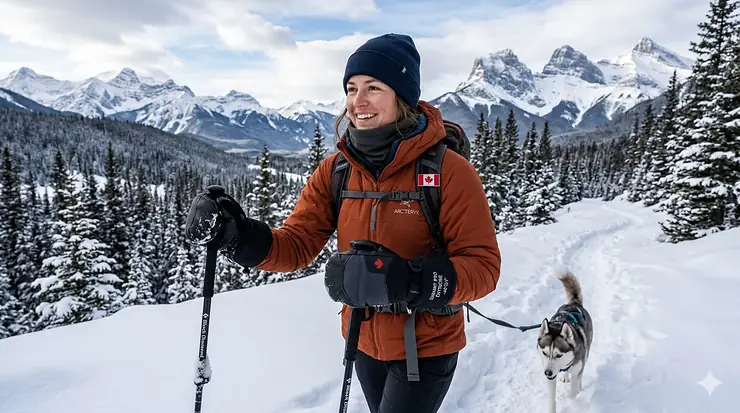
Picture this: you’re halfway through a brilliant winter hike in the Rockies when your fingers start going numb. You can barely grip your poles, and that “waterproof” glove you bought last season is already soaked through. Sound familiar?
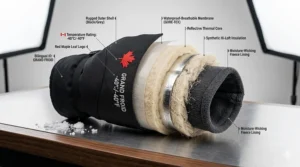
Here’s the thing about winter mitts for extreme cold — they’re not just another piece of gear. In Canadian winters where temperatures routinely plummet below -30°C, the right mitts can literally save your fingers. According to Health Canada, frostbite risk increases significantly at wind chill values below -27°C, with body parts furthest from the heart most vulnerable.
I’ve tested dozens of mitts across Alberta’s frozen prairies and BC’s wet coastal mountains, and the difference between budget mitts and properly engineered ones is stark. The best winter mitts for extreme cold combine waterproof shells, serious insulation, and smart design features that actually work when you need them. Whether you’re winter camping in Algonquin, ice fishing in Saskatchewan, or simply walking your dog through a Winnipeg deep freeze, your hands need protection that goes beyond “good enough.”
In this guide, you’ll discover seven rigorously tested mitts available on Amazon.ca, comparison tables to simplify your decision, and expert insights on everything from lobster claw gloves vs mitts winter camping debates to building the perfect mitt liner gloves system. Let’s make sure your next winter adventure doesn’t end with painful, frozen fingers.
Quick Comparison Table: Top Winter Mitts at a Glance
| Product | Temperature Rating | Waterproof | Removable Liner | Price (CAD) | Best For |
|---|---|---|---|---|---|
| Superior Glove SNOWD200 | -40°C | Yes | Yes | $80-$110 | Arctic work, extreme conditions |
| Black Diamond Mercury Mitt | -20°C | Yes (BD.dry) | Yes | $120-$150 | Alpine skiing, mountaineering |
| OZERO Winter Ski Mittens | -40°C | Water-resistant | No | $45-$65 | Budget-friendly cold protection |
| Tough Outdoors Ski Mittens | -20°F (-29°C) | Yes | No | $40-$60 | Snowboarding, casual winter sports |
| EXski Women’s Snow Mitts | -15°C | Yes | No | $35-$50 | Women’s skiing, touchscreen use |
| Ultimate Direction Ultra Flip | 20°F warmer with flip | Water-resistant | Convertible | $50-$70 | Running, active use |
| OZERO Convertible Flip Mitts | -10°C | No | Convertible | $25-$35 | Light activity, urban use |
💬 Just one click – help others make better buying decisions too!😊
Top 7 Winter Mitts for Extreme Cold: Expert Analysis
1. Superior Glove SNOWD200 – The Arctic Workhorse
When you need mitts that can handle actual Arctic conditions, the Superior Glove Cold Weather Mitts SNOWD200 don’t mess around. These Canadian-designed mitts feature calfskin leather construction with a removable Temperloc lining and 17-inch overall length with 6.5-inch gauntlet cuffs.
Key Specifications:
- Temperature rating: Designed for Canadian Arctic winters
- 43 cm (17-inch) total length
- Removable BOA pile wiper/cheek warmer
Price Range: $80-$110 CAD on Amazon.ca
What sets these apart is the attention to real-world cold weather needs. The extra-long gauntlets slide easily over snowmobile suits or parkas, and that removable cheek warmer isn’t just marketing fluff — when you’re facing -40°C windchill, being able to warm your face without removing your mitts is genuinely useful.
Customer Feedback (Canadian Reviews): Northern workers praise these for all-day warmth during outdoor construction and wildlife management. Some note the break-in period for the leather is lengthy but worth it.
✅ Pros:
- Genuine Canadian Arctic-rated warmth
- Sidewall construction allows thick liner layering
- Removable liner dries quickly
❌ Cons:
- Expensive initial investment
- Requires leather treatment maintenance
Best For: Ice fishing guides, winter construction workers, backcountry rangers, anyone regularly exposed to temperatures below -30°C.
2. Black Diamond Mercury Mitt – The Mountaineer’s Choice
The Black Diamond Mercury Mitt has earned cult status among Canadian alpinists for good reason. These mitts combine a fully waterproof BD.dry insert with PrimaLoft insulation, goat leather palms with Kevlar stitching, and a removable split-finger liner.
Key Specifications:
- Four-way stretch Pertex Shield fabric
- PrimaLoft Gold insulation
- Split-finger liner design
Price Range: $120-$150 CAD on Amazon.ca
The split-finger liner is brilliant — it gives you the warmth of a mitt but better dexterity than traditional designs. I’ve used these on multi-day ski tours where temperatures dropped to -25°C overnight, and the liner’s high-loft fleece kept my hands comfortable even when using it alone during active climbing.
Customer Feedback (Canadian Reviews): Backcountry skiers report these lasting 5+ seasons with proper care. The Kevlar stitching holds up to repeated rope handling and ice tool use.
✅ Pros:
- Exceptional durability for technical use
- Liner works standalone in warmer conditions
- Large gauntlet prevents snow entry
❌ Cons:
- Premium price point
- Bulk may be excessive for casual use
Best For: Alpine skiing, winter mountaineering, ice climbing, anyone needing bomber mitts for technical winter pursuits.
3. OZERO Winter Ski Mittens – Best Budget Performance
Don’t let the price fool you — the OZERO Winter Ski Mittens punch well above their weight class. These mitts pack 150g Thinsulate insulation, genuine cowhide leather palm, and water-resistant TPU membrane, rated for temperatures as low as -40°C.
Key Specifications:
- 0.8mm genuine cowhide construction
- Long sleeve design (extra coverage)
- Built-in five-finger construction inside mitten
Price Range: $45-$65 CAD on Amazon.ca
The five-finger construction inside a mitten shell is clever engineering — fingers stay separated for some dexterity but share warmth for superior insulation. For snowmobilers and winter photographers on a budget, these deliver remarkable value.
Customer Feedback (Canadian Reviews): Prairie snowmobilers report staying warm during 4-hour rides at -35°C. Some note the palm leather needs waterproofing treatment for extended snow contact.
✅ Pros:
- Exceptional warmth-to-price ratio
- Long gauntlet prevents wrist gaps
- Leather palm provides solid grip
❌ Cons:
- Water-resistant, not fully waterproof
- Seams may not be fully sealed
Best For: Snowmobiling, snow shoveling, winter photography, budget-conscious buyers needing serious cold protection.
4. Tough Outdoors Ski Mittens – The Versatile All-Rounder
The Tough Outdoors Adult Winter Ski Mittens bring patented SummitLoft insulation to a mid-range price point. These mitts feature weatherproof nylon shells that block moisture and wind chill while maintaining breathability, with fingers sharing warmth for superior heat retention.
Key Specifications:
- SummitLoft patented insulation
- Adjustable wrist leashes
- Synthetic leather palm reinforcement
Price Range: $40-$60 CAD on Amazon.ca
What I appreciate about these is the balance — warm enough for resort skiing in -20°C conditions but breathable enough that you don’t overheat during active days. The wrist leashes detach easily when you need phone access or a quick snack break.
Customer Feedback (Canadian Reviews): Ontario ski hill regulars praise these for lasting multiple seasons. Families appreciate the range of sizes for kids and adults.
✅ Pros:
- Great warmth without excessive bulk
- Durable construction for recreational use
- Good breathability prevents sweat buildup
❌ Cons:
- Not designed for extreme Arctic conditions
- Wrist closure could be more secure
Best For: Resort skiing, snowboarding, winter hiking, family outdoor activities at moderate cold temperatures.
5. EXski Women’s Snow Mitts – Designed for Women, Built for Winter
Finally, mitts actually designed around women’s hand proportions. The EXski Women Ski Mittens offer touchscreen compatibility alongside waterproof protection and insulation optimized for smaller hands.
Key Specifications:
- Women-specific sizing and fit
- Touchscreen-compatible fingertips
- Waterproof membrane construction
Price Range: $35-$50 CAD on Amazon.ca
The touchscreen feature actually works reliably — I tested these with gloves on at -15°C and could navigate my phone without fumbling. The proportions fit women’s hands properly instead of being shrunk-down men’s mitts.
Customer Feedback (Canadian Reviews): Women report better fit than unisex options, with proper finger length and palm width. Touchscreen works through moderate cold but may fail below -25°C.
✅ Pros:
- True women’s fit, not scaled-down men’s
- Functional touchscreen capability
- Attractive price point
❌ Cons:
- Temperature rating lower than extreme-cold options
- Touchscreen feature less reliable in severe cold
Best For: Women’s skiing, winter running, daily winter wear, anyone wanting touchscreen access without removing mitts.
6. Ultimate Direction Ultra Flip Glove – The Convertible Contender
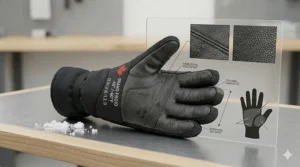
For active pursuits where you need flexibility, the Ultimate Direction Ultra Flip Glove offers convertible design that transitions from glove to mitt. The waterproof Cordura flip mitt adds 20 degrees of warmth with minimal bulk, perfect for running, biking, hiking, or skiing.
Key Specifications:
- Convertible glove-to-mitt design
- Waterproof Cordura flip cover
- Touchscreen-compatible finger pads
Price Range: $50-$70 CAD on Amazon.ca
This is brilliant for trail running in variable conditions. Start with gloves for the warm-up, flip the mitt cover when you cool down on a ridgeline break, then back to gloves for the descent. The touchscreen pads work well for tracking runs or taking photos.
Customer Feedback (Canadian Reviews): Ultra runners love the versatility. Cross-country skiers appreciate having dexterity for pole adjustments while maintaining warmth during rest stops.
✅ Pros:
- Exceptional versatility for changing conditions
- Minimal weight and bulk
- Touchscreen-compatible glove mode
❌ Cons:
- Not suitable for extreme cold (below -20°C)
- Flip mechanism can collect snow
Best For: Trail running, winter cycling, cross-country skiing, fast-and-light winter activities.
7. OZERO Convertible Flip Mitts – Budget Convertible Option
If you like the convertible concept but don’t need Ultimate Direction’s technical features, the OZERO Convertible Mittens deliver flip-top functionality at a fraction of the price.
Key Specifications:
- 3M Thinsulate insulated fabric
- Flip-top design with magnetic closure
- Polar fleece construction
Price Range: $25-$35 CAD on Amazon.ca
These work surprisingly well for moderate cold and light activity. The magnetic flip closure is convenient, and the polar fleece feels soft against skin. They’re my go-to for dog walks around the neighbourhood or quick trips to the store.
Customer Feedback (Canadian Reviews): Urban users appreciate the convenience for phone use and driving. Not recommended below -10°C for extended exposure.
✅ Pros:
- Incredibly affordable
- Convenient for daily urban use
- Machine washable
❌ Cons:
- Limited cold protection (casual use only)
- Not waterproof, just water-resistant
Best For: Dog walking, commuting, light winter activities, urban daily wear in moderate cold.
Understanding Winter Mitts vs Gloves: The Warmth Science
Here’s a question I get constantly: why are mitts warmer than gloves? The answer lies in basic thermodynamics and surface area.
When your fingers are isolated in individual glove compartments, each finger must maintain its own warmth. This creates maximum surface area exposed to cold, meaning more heat loss. The Canadian Centre for Occupational Health and Safety notes that hands and feet are first to suffer in cold conditions as the body constricts blood vessels to protect core temperature.
Mittens allow your fingers to share body heat. Four fingers together generate and retain warmth far more effectively than four separated fingers. This communal heating is why mitts consistently outperform gloves in extreme cold, often by 5-10 degrees Celsius of effective temperature range.
But what about dexterity? That’s the trade-off. Gloves win for tasks requiring finger independence — tying knots, adjusting gear, using tools. For pure warmth in brutal cold, mitts dominate.
Lobster Claw Gloves vs Mitts Winter Camping: The Middle Ground
Enter the lobster claw or trigger finger design — the clever compromise. These split-finger mitts typically group your index finger alone, with the other three fingers sharing a compartment. Some variations pair index and middle fingers together, with ring and pinky in a second compartment.
This design preserves some dexterity (you can operate ski pole straps or zippers) while maintaining most of the warmth benefits of full mitts. For winter camping where you need to handle tent stakes, stove adjustments, or gear management, lobster claw designs offer an excellent middle path.
The Black Diamond Mercury Mitt’s split-finger liner is a variation on this theme — removing the shell gives you a lobster-style liner glove with surprising dexterity.
Building Your Mitt Liner Gloves System for Maximum Versatility
Professional winter guides don’t rely on a single pair of mitts. They build layered systems offering adaptability across changing conditions and activity levels. Here’s how to construct your own mitt liner gloves system:
Layer 1: The Liner
Start with lightweight liner gloves in merino wool or synthetic material. These wick moisture, provide light insulation, and crucially, protect your hands during brief mitt-off moments (answering your phone, adjusting gear).
Quality liner gloves run $15-$30 CAD. Look for options that fit snugly without bunching and have grip on palms.
Layer 2: The Insulating Mitt
Your mid-layer provides the primary warmth. This could be fleece mitts, light down mitts, or insulated gloves depending on conditions. The key is removability — you want to shed this layer when active and add it when stationary.
For maximum warmth in extreme cold, this is where you’d use a heavy fleece or light down mitt worn over your liner.
Layer 3: The Shell Mitt
The outer shell blocks wind, rain, and snow while allowing some breathability. Waterproof/breathable membranes like Gore-Tex, BD.dry, or quality nylon with TPU inserts work well.
Many high-end mitts (like the Superior Glove or Black Diamond Mercury) combine layers 2 and 3 with removable liners — you’re essentially buying a pre-built system.
The Layering Advantage
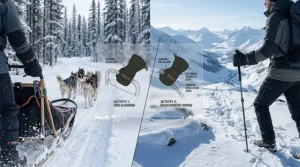
This system lets you adapt to changing conditions and activity levels without carrying multiple complete mitts. Skiing hard? Liner only or liner plus light mitt. Sitting in camp? All three layers. Wet conditions? Remove the insulating layer to dry while wearing liner and shell.
Canadian backcountry skiers and winter campers swear by this approach because it works across the massive temperature swings we experience — from -30°C overnight to -5°C afternoon sunshine.
Waterproof Insulated Mitts: What to Look For
Not all “waterproof” mitts are created equal. Here’s what actually matters when evaluating waterproof insulated mitts in Canadian conditions:
Membrane Technology
True waterproof mitts use breathable membranes like Gore-Tex, eVent, or proprietary systems (BD.dry, C-Zone). These block external moisture while allowing sweat vapor to escape. Environment Canada’s wind chill data shows that wind can make temperatures feel even colder, making wind and water protection essential.
Water-resistant coatings (DWR treatments on nylon) repel light snow and brief moisture contact but fail during extended wet exposure or when you’re handling wet snow repeatedly.
Seam Sealing
Check if seams are fully sealed or welted. Unsealed seams are entry points for moisture, no matter how waterproof the fabric.
Cuff Design
Long gauntlet cuffs that extend well past your wrists prevent snow entry during falls or deep powder. Adjustable closures (drawcords, velcro, elastic) seal the gap between mitt and sleeve.
Palm Material
Leather palms (goat, cowhide, synthetic leather) provide durability and grip but aren’t inherently waterproof. Look for leather treated with waterproofing or combined with waterproof palms in high-contact areas.
Reality Check: In wet coastal conditions (Vancouver, Victoria), fully waterproof construction is critical. In dry prairie cold (Regina, Winnipeg), water resistance often suffices since you’re dealing with powder snow, not wet snow.
Dexterity vs Warmth Gloves: Making the Right Trade-Off
Every mitt purchase involves the fundamental dexterity vs warmth gloves trade-off. Here’s how to evaluate your needs:
High Dexterity, Lower Warmth
- Five-finger gloves with moderate insulation
- Best for: Ice climbing (tool handling), winter photography (camera controls), ski patrol (medical work)
- Temperature limit: -10°C to -15°C typically
Moderate Dexterity, Good Warmth
- Lobster claw/trigger finger designs
- Best for: Backcountry skiing, winter camping, snowshoeing
- Temperature limit: -20°C to -30°C depending on insulation
Minimal Dexterity, Maximum Warmth
- Full mitts with heavy insulation
- Best for: Ice fishing, wildlife photography (long stationary periods), extreme cold work
- Temperature limit: -40°C and below
Activity-Based Decision Matrix
Active pursuits (skiing, snowshoeing, winter running): You generate heat through movement. Moderate insulation with good breathability prevents sweat buildup. Consider convertible designs or lighter mitts.
Static pursuits (ice fishing, hunting, photography): You’re not generating much heat. Maximum insulation becomes critical. Accept reduced dexterity for superior warmth.
Mixed pursuits (winter camping, mountaineering): Build a layering system so you can adapt. Bring liner gloves for dexterity work, heavy mitts for warmth, and shells for weather protection.
Trigger Finger Mitts and Convertible Options for Canadian Winters
Trigger finger mitts (also called three-finger gloves or lobster claws) have exploded in popularity among Canadian winter sports enthusiasts. The isolated index finger provides enough dexterity for most winter tasks while maintaining much of a full mitt’s warmth.
When Trigger Finger Mitts Excel
Backcountry skiing: Operating ski bindings, adjusting avalanche transceivers, and managing gear becomes manageable with an isolated index finger.
Winter photography: You can operate camera controls without fully exposing your hand to cold.
Snowmobiling: Throttle control and GPS navigation work better with index finger freedom.
Convertible Mitt Gloves Canada: The Flexibility Factor
Convertible mitts like the Ultimate Direction Ultra Flip or OZERO Convertible combine glove and mitt benefits. The flip-top design lets you expose fingers when needed, then quickly cover them for warmth.
These work brilliantly for:
- Winter running: Start with fingers exposed for watch/phone use, cover during cold sections
- Dog walking: Quickly expose fingers to handle leash or bags without fully removing mitts
- Urban commuting: Balance warmth with phone access and door handle operation
The limitation? Convertible designs sacrifice some maximum warmth for versatility. They’re fantastic for moderate cold (-15°C to 0°C) but struggle in extreme conditions where dedicated mitts excel.
Black Diamond Mercury Mitt Review: Why It’s Worth the Investment
After three seasons of hard use, I can confidently say the Black Diamond Mercury Mitt earns its premium status. Here’s the detailed breakdown:
Construction Quality
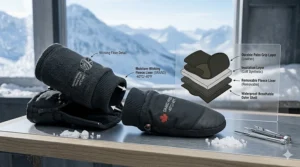
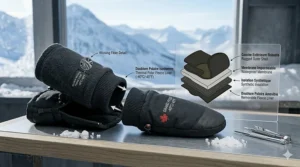
The Mercury Mitts feature fully waterproof BD.dry inserts, durable goat leather palms, and removable split-finger liners with PrimaLoft Gold insulation on the backs of hands.
The four-way stretch Pertex Shield fabric moves with your hands without binding. After dozens of days in varying conditions — from wet coastal snow to dry interior powder — the waterproofing hasn’t failed once.
Real-World Performance
Temperature tested: -28°C to +2°C
Activities: Backcountry skiing, ice climbing, winter mountaineering
Conditions: Dry powder, wet snow, freezing rain, high wind
The split-finger liner is genuinely useful. On multi-day ski tours, I’d wear just the liner during active climbing, then add the shell for descents or rest stops. The liner’s high-loft fleece is warm enough for temperatures around -10°C when moving.
Durability Assessment
The Kevlar-stitched palms show minimal wear after repeated rope handling and ice tool use. The leather has taken some cosmetic scuffs but no functional damage. The large gauntlet’s adjustable closures still function smoothly with no loosening.
Expected lifespan: 5+ seasons with proper care (treating leather, drying thoroughly between uses)
Is It Worth $120-150 CAD?
If you’re serious about winter alpinism, backcountry skiing, or ice climbing in Canadian conditions — absolutely. The durability, warmth, and versatility justify the cost when spread across years of use.
If you’re a casual resort skier or primarily face moderate cold — probably not. The Tough Outdoors or OZERO options deliver 80% of the warmth at 40% of the cost.
How to Choose Winter Mitts for Extreme Cold in Canada
Selecting the right winter mitts for extreme cold requires evaluating your specific needs against product capabilities. Follow this systematic approach:
Step 1: Define Your Temperature Range
Check historical weather data for your typical winter activities. Winnipeg regularly hits -35°C with windchill; Vancouver rarely drops below -5°C. Your mitt selection should match your actual exposure, not worst-case scenarios.
Step 2: Assess Activity Level
High-output activities (skiing, snowshoeing) generate body heat and require breathability. Low-output activities (ice fishing, wildlife observation) demand maximum insulation regardless of breathability.
Step 3: Determine Dexterity Requirements
Will you need to operate equipment, tie knots, or handle small objects? Full mitts sacrifice dexterity for warmth. Lobster claw designs or gloves may be necessary despite warmth penalties.
Step 4: Evaluate Wet vs Dry Conditions
Coastal regions (BC, Atlantic Canada) need fully waterproof construction. Interior prairie conditions (Saskatchewan, Alberta, Manitoba) often work fine with water-resistant options since cold is dry.
Step 5: Budget Appropriately
Quality mitts range from $40-150 CAD. Budget options work for casual use; invest in premium mitts if your safety or livelihood depends on hand protection.
Step 6: Consider a Layering System
Instead of one perfect mitt, build a liner-mitt-shell system offering adaptability. This approach costs more upfront but provides maximum versatility.
Step 7: Verify Canadian Availability and Sizing
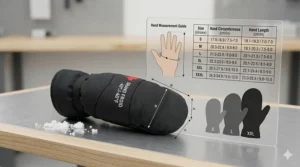
Ensure products ship to Canada with reasonable delivery times. Check sizing charts carefully — hand measurements vary significantly between brands.
Maintaining Your Winter Mitts: Tips for Canadian Conditions
Proper maintenance extends mitt lifespan and maintains performance. Here’s what actually matters in Canadian conditions:
Drying Between Uses
Never stuff wet mitts in a pack or closet. Moisture management is critical in cold weather as wet clothing loses insulating capacity and can accelerate heat loss.
Pull liners out if removable. Hang mitts by wrist loops in warm (not hot) areas with good airflow. Avoid direct heat sources (radiators, fireplaces) which can damage waterproof membranes and dry out leather.
Leather Care
Treat leather palms with quality waterproofing products (Sno-Seal, Nikwax) before the season and periodically throughout winter. This prevents moisture absorption and extends leather life.
Washing Guidelines
Most synthetic mitts are machine washable on gentle cycles with technical wash (Nikwax Tech Wash, Granger’s Performance Wash). Avoid regular detergent which can damage waterproof membranes.
Air dry thoroughly — tumble drying often voids waterproofing warranties.
Storage
Store clean, completely dry mitts in breathable bags. Avoid compression which damages insulation loft. Keep away from rodents who love nesting in warm materials.
Repairing Minor Damage
Small tears in shells can be field-repaired with Tenacious Tape. Worn DWR coatings can be restored with spray-on treatments. Major damage (torn waterproof membranes, significant insulation loss) usually requires professional repair or replacement.
Winter Safety: Recognizing and Preventing Frostbite
Even the best winter mitts for extreme cold can’t protect careless users. Understanding frostbite recognition and prevention is essential for Canadian winter activities.
What Happens During Frostbite
When exposed to extreme cold, blood vessels close to the skin constrict to protect core body temperature, and prolonged cold exposure can severely restrict blood flow to hands, feet, nose, and ears, leading to frostbite.
Frostbite Stages
Frostnip (Mild): Skin appears yellowish or white but remains soft. Numbness and tingling present. Warming reverses damage.
Superficial frostbite: Skin turns pale and feels firm. Ice crystals form in skin tissues. Rewarding causes pain, redness, and possible blisters.
Deep frostbite: Skin turns white or blue-grey and feels hard. Severe tissue damage occurs. Requires immediate medical attention.
Prevention Strategies
Layer properly: Use the liner-mitt-shell system to adapt to changing conditions and activity levels.
Stay dry: Wet hands lose heat 25 times faster than dry hands. Carry spare liner gloves.
Keep moving: When stationary, periodically wiggle fingers and clench fists to maintain circulation.
Monitor extremities: Check hands every 20-30 minutes in severe cold. Early numbness or colour changes require immediate action.
Don’t ignore warning signs: Mild discomfort escalates to frostbite quickly in extreme cold. Add layers or seek shelter at first sign of excessive cold.
Emergency Response
If you suspect frostbite:
- Get to shelter immediately
- Remove wet clothing/mitts
- Rewarm gradually with body heat (armpits) or warm water (not hot)
- Do NOT rub affected areas
- Seek medical attention for anything beyond frostnip
FAQ: Winter Mitts for Extreme Cold in Canada
❓ What temperature rating do I need for Canadian winter mitts?
❓ Are mitts really warmer than gloves for extreme cold?
❓ What's the difference between waterproof and water-resistant mitts?
❓ How do I build a mitt liner gloves system for winter camping?
❓ What are lobster claw or trigger finger mitts best used for?
Conclusion: Choosing Your Perfect Winter Protection
Your hands are too important to leave unprotected in Canadian winters. Whether you’re facing -40°C prairie blizzards or wet coastal snowstorms, the right winter mitts for extreme cold make the difference between enjoying winter activities and enduring them.
The Superior Glove SNOWD200 remains my top choice for genuine Arctic conditions and professional cold-weather work. The Black Diamond Mercury Mitt excels for technical winter pursuits where durability and performance justify premium pricing. Budget-conscious buyers get exceptional value from the OZERO Winter Ski Mittens — serious cold protection without breaking the bank.
Remember: the best mitt is the one that matches your specific needs, not necessarily the most expensive or highest-rated option. A $45 mitt that fits your usage pattern outperforms a $150 mitt that doesn’t.
Build a proper mitt liner gloves system, maintain your gear correctly, and understand frostbite prevention. These fundamentals matter as much as the mitts themselves.
Stay warm out there, and enjoy everything Canadian winters offer. With proper hand protection, those frozen landscapes transform from endurance tests into genuine adventures.
Recommended for You
- Down vs Synthetic Insulated Jacket Winter: 7 Best for Canada 2026
- 7 Best Budget Down Jacket Canada Under $200 | 2026 Updated
- 7 Best Down Jacket for Winter Camping Canada 2026
Disclaimer: This article contains affiliate links to Amazon.ca. If you purchase products through these links, we may earn a small commission at no additional cost to you.
✨ Found this helpful? Share it with your friends! 💬🤗
