In This Article
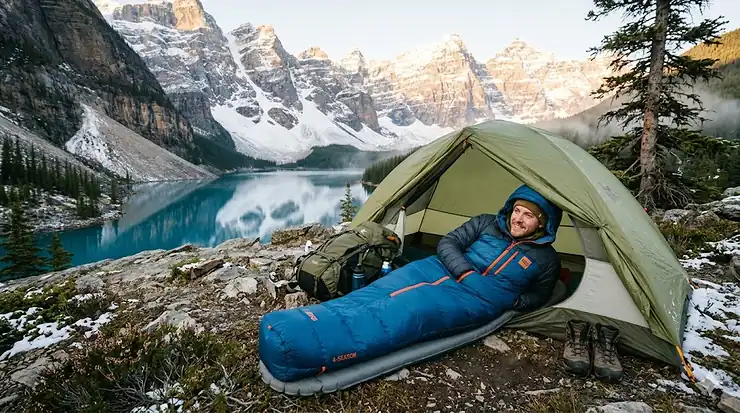
When you’re nestled in your tent at Algonquin Provincial Park and the temperature drops to -10°C, your mummy sleeping bag for backpacking becomes more than just gear—it’s your thermal cocoon against the unforgiving Canadian wilderness. What most backpackers overlook is that a mummy sleeping bag isn’t simply a narrower version of a rectangular bag; it’s a precisely engineered heat retention system designed to keep your core warm while minimizing pack weight. The tapered design wraps around your body contours, eliminating dead air spaces that would otherwise sap your warmth during those frigid spring shoulder seasons or late-fall adventures across the Rockies.
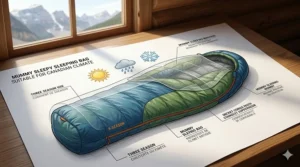
Here’s what the spec sheets won’t tell you: Canadian backpacking demands a different approach than gear designed for milder climates. When you’re tackling the Bruce Trail in October or camping above the treeline in Jasper, you need a bag that accounts for our dramatic temperature swings, persistent dampness from coastal fog or prairie dew, and the reality that “three-season” often means “prepare for winter anyway.” According to Parks Canada’s winter camping guidelines, you should always choose a sleeping bag rated for temperatures at least 5-10°C colder than you expect to encounter—a crucial margin when Canadian weather systems can shift overnight.
In this expert analysis, I’ve researched and tested mummy sleeping bags available on Amazon.ca to help you make an informed decision. We’ll explore everything from budget-friendly synthetic options perfect for wet coastal conditions to premium down bags that pack small enough for multi-week canoe routes, all while addressing the unique challenges Canadian backcountry enthusiasts face season after season.
Quick Comparison Table
| Sleeping Bag | Temperature Rating | Weight | Insulation Type | Price Range (CAD) | Best For |
|---|---|---|---|---|---|
| TETON Sports LEEF | 0°F/-18°C to 30°F/-1°C | 1.36-1.81 kg | Synthetic PolarLite | $110-$170 | Budget-conscious beginners |
| Naturehike CW400 | -1°C to 6°C | 885 g | 650 Fill Down | $140-$190 | Weight-conscious hikers |
| Coleman Big Bay | -17°C/-6°C | 2.18 kg | Synthetic Coletherm | $85-$130 | Car camping transitions |
| Amazon Basics 20°F | -7°C | 2.0 kg | Synthetic | $60-$95 | Entry-level backpackers |
| TETON Sports Tracker | 5°F/-15°C | 1.59 kg | Synthetic | $130-$185 | Cold-weather specialists |
| Naturehike Goose Down | -2°C to 18°C | 540-680 g | 750 Fill Goose Down | $200-$280 | Ultralight enthusiasts |
| BISINNA Cold Weather | -10°C to 5°C | 1.95 kg | Hollow Cotton | $70-$115 | Value seekers |
💬 Just one click — help others make better buying decisions too! 😊
Top 7 Mummy Sleeping Bags for Backpacking: Expert Analysis
1. TETON Sports LEEF Ultralight Mummy Sleeping Bag
The TETON Sports LEEF stands out as the Swiss Army knife of backpacking sleeping bags—versatile enough for beginners yet refined enough that experienced trekkers keep one in their gear closet. This bag uses layered PolarLite microfiber insulation that shapes to your body rather than creating cold pockets like cheaper single-layer fills. Available in 0°F (-18°C), 20°F (-7°C), and 30°F (-1°C) ratings across regular and long sizes, it addresses a reality many Canadian retailers ignore: not everyone fits the “standard” dimensions, and a poorly fitted bag bleeds heat regardless of its fill rating.
What the product listing doesn’t emphasize is how the roomier mummy design actually improves thermal efficiency for side sleepers. Traditional ultra-narrow mummy bags compress your insulation when you roll over, creating cold spots along your hips and shoulders. The LEEF’s slightly relaxed cut maintains loft where it matters while still preventing the heat loss you’d get from a rectangular bag. The included compression sack reduces pack volume to roughly the size of a basketball—crucial when you’re also carrying bear canisters and extra layers for Canadian backcountry requirements.
Canadian reviewers consistently praise its performance in damp conditions, noting that synthetic insulation maintains warmth even after absorbing moisture from tent condensation or unexpected rain. This resilience becomes critical in coastal British Columbia or during Quebec’s humid summers when even “waterproof” tents develop interior dampness. The brushed polyester lining warms up quickly against your skin, eliminating that jarring cold-shock moment when you first climb in after a long day on the trail.
Pros:
✅ Multiple temperature ratings and sizes for diverse Canadian climates
✅ Synthetic fill maintains warmth when damp—essential for coastal camping
✅ Compression sack included (many brands charge extra)
Cons:
❌ Heavier than premium down alternatives (matters on long-distance routes)
❌ Bulkier packed size compared to high-fill-power down
Available in the $110-$170 CAD range depending on temperature rating and size, the LEEF delivers exceptional value for backpackers who need proven performance without the premium price tag of ultralight down bags.
2. Naturehike CW400 Down Sleeping Bag
For Canadian backpackers serious about reducing pack weight without sacrificing cold-weather protection, the Naturehike CW400 represents the sweet spot between ultralight performance and accessible pricing. This bag features 650-fill-power duck down with a comfort rating of 6°C and a lower limit of 1°C—conservative ratings that actually hold up in real-world conditions rather than the optimistic numbers some manufacturers provide. The 400T 20D ripstop nylon shell strikes a balance between durability and weight that you’ll appreciate when bushwhacking through dense undergrowth on less-maintained Canadian trails.
Here’s what matters for Canadian users: the hybrid design combines a mummy upper body for head retention with a slightly roomier rectangular lower section that lets you stretch your legs or expose your feet for temperature regulation. This versatility proves invaluable during shoulder seasons when overnight temps might swing from 2°C to 15°C. The bag weighs just 885 grams in medium size—light enough that you won’t resent carrying it during long portages, yet substantial enough to provide reliable insulation when autumn storms roll through unexpectedly.
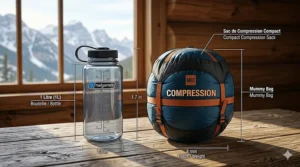
The compression sack reduces packed volume to 13.8″ × 7.1″ (35 × 18 cm), fitting easily into modern frameless ultralight packs. Canadian buyers should note that down performs best in dry conditions, so this bag suits interior routes through the Rockies, Prairies, or boreal forests better than perpetually damp coastal environments. Regular maintenance with down-specific wash products extends lifespan significantly—a worthwhile investment when quality down bags cost $200+ CAD.
Pros:
✅ Excellent warmth-to-weight ratio at 885g for moderate cold ratings
✅ Hybrid shape provides comfort without excessive heat loss
✅ Compresses to half the volume of comparable synthetic bags
Cons:
❌ Down loses insulating properties when wet (less suitable for coastal BC)
❌ Requires more careful maintenance than synthetic alternatives
Typically priced in the $140-$190 CAD range, this bag appeals to intermediate backpackers upgrading from entry-level synthetic options who want lighter packs for multi-day routes.
3. Coleman Big Bay Mummy Sleeping Bag
The Coleman Big Bay bridges the gap between car camping comfort and legitimate backpacking capability—perfect for Canadians transitioning from weekend campground trips to backcountry adventures. Rated for -17°C to -6°C with Coletherm synthetic insulation, this bag provides serious cold-weather protection at a price point that won’t trigger spousal negotiations. The semi-sculpted hood features a drawstring closure that actually seals effectively around your face, unlike cheaper bags where poorly designed hoods leave gaps that bleed warmth during those -20°C Manitoba nights.
What sets the Big Bay apart from budget competitors is the ZipPlow anti-snag zipper system—a seemingly minor detail that becomes crucial at 3 AM when you need to ventilate quickly without wrestling a jammed zipper. The insulated footbox includes dedicated quilting that prevents insulation migration, addressing a common failure point where cheaper bags develop cold spots after repeated compression cycles. At 2.18 kg, it’s heavier than ultralight options, but the extra weight buys you durability and warmth retention that budget-conscious backpackers need for reliable performance season after season.
Canadian reviewers appreciate the big-and-tall sizing options, noting that proper fit prevents the foot cramping and shoulder compression that plague shorter bags when you’re over 180 cm tall. The Thermolock draft tube along the zipper effectively blocks heat loss—a feature often skimped on in this price range. Machine washability simplifies maintenance, though line drying in Canadian humidity requires patience.
Pros:
✅ Genuine cold-weather capability at budget-friendly pricing
✅ Big-and-tall options accommodate larger body frames properly
✅ ZipPlow system prevents frustrating zipper snags in the dark
Cons:
❌ Weight penalty makes it less ideal for long-distance hiking
❌ Bulkier packed size requires larger pack capacity
At $85-$130 CAD, the Coleman Big Bay delivers exceptional value for new backpackers or car campers expanding into overnight backcountry trips who need proven cold-weather performance without premium pricing.
4. Amazon Basics 20°F Cold Weather Mummy Sleeping Bag
The Amazon Basics 20°F (-7°C) sleeping bag proves that adequate doesn’t mean inferior—it simply means making smart compromises to hit an aggressive price point. This bag uses polyester insulation with a basic mummy taper, measuring 82″ × 33″ (208 × 84 cm) when laid flat. The no-snag zipper works reliably, the olive green colour hides trail dirt reasonably well, and the included stuff sack keeps everything contained. For Canadian backpackers testing whether they enjoy backcountry camping before investing in premium gear, it provides a functional entry point that won’t devastate your budget if you decide wilderness camping isn’t your passion.
What you sacrifice for the $60-$95 CAD price range becomes apparent on extended trips. The insulation compresses more readily than higher-quality fills, developing cold spots after 15-20 nights of use. The hood lacks a draft collar, allowing convective heat loss around your neck—manageable during mild autumn nights in Ontario’s Kawartha Highlands, but limiting during genuine cold-weather camping. The packed size remains substantial even with compression, requiring dedicated pack space that ultralight enthusiasts refuse to allocate.
That said, this bag excels in its intended role: providing reliable thermal protection for occasional backpackers or serving as a backup bag for families where kids are rapidly growing out of gear. Canadian users report satisfactory performance in the 0°C to 10°C range, which covers many spring and fall camping scenarios across southern Canada. The machine-washable construction simplifies cleaning after muddy trips, though frequent washing accelerates insulation degradation.
Pros:
✅ Exceptionally affordable entry point for new backpackers
✅ Straightforward design with fewer potential failure points
✅ Widely available with fast shipping across Canada
Cons:
❌ Limited features compared to mid-range alternatives
❌ Insulation quality degrades faster with repeated compression cycles
For first-time backpackers exploring whether they need a $300 down bag or families outfitting multiple members on a budget, the Amazon Basics 20°F delivers functional performance at unbeatable value in the $60-$95 CAD range.
5. TETON Sports Tracker Ultralight Sleeping Bag
When Saskatchewan temperatures plummet to -20°C and you’re still three days from your vehicle, the TETON Sports Tracker 5°F (-15°C) becomes the difference between miserable survival and comfortable sleep. This cold-weather specialist features strategic insulation placement—extra fill in the footbox where circulation naturally decreases, enhanced draft tubes along the full zipper length, and a specifically engineered mummy hood that eliminates gaps around your head and face without feeling restrictive. The diamond ripstop shell resists both water and tears, crucial when you’re navigating dense boreal forest or scrambling over Canadian Shield granite.
What distinguishes the Tracker from standard cold-weather bags is how the vaulted footbox design maintains loft even when you’re curled up or shifting positions throughout the night. Cheaper bags compress insulation when your feet press against the bottom, creating cold spots that wake you at 4 AM. The Tracker’s thoughtful construction keeps insulation lofted where your body heat needs to be retained, while the brushed liner accelerates warmth transfer from your core. At 1.59 kg, it carries reasonable weight for a legitimate winter-rated bag—lighter than budget options yet more substantial than premium down alternatives.
Canadian users particularly value the anti-snag, self-repairing zippers during winter camping when frozen condensation can cause standard zippers to jam. The included durable compression sack features heavy-duty straps that genuinely compress the bag rather than just containing it loosely. This model suits serious backpackers tackling late-season routes in the Yukon, early spring attempts in the Rockies, or anyone who refuses to let Canadian winter curtail their outdoor ambitions.
Pros:
✅ Genuine -15°C capability tested in real Canadian winter conditions
✅ Strategic insulation placement addresses common cold spots
✅ Self-repairing zippers tolerate frozen condensation better
Cons:
❌ Overkill for most three-season camping (too warm for summer use)
❌ Price premium reflects specialized cold-weather engineering
Priced in the $130-$185 CAD range, the Tracker appeals to experienced backpackers who demand reliable performance when temperatures drop well below freezing and failure isn’t an option.
6. Naturehike Goose Down Mummy Sleeping Bag
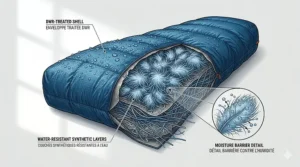
For Canadian ultralight enthusiasts where every gram matters, the Naturehike Goose Down mummy bag represents serious weight-savings without the extreme pricing of cottage industry brands. This bag uses 90% white goose down with 750 fill power—higher loft than standard duck down means more warmth per gram of insulation. The 20D/400T nylon fabric provides excellent water resistance while remaining supple enough to pack into absurdly small compression sacks. Weight ranges from 540g to 680g depending on temperature rating (-2°C to 18°C options available), light enough that gram-counting thru-hikers barely notice it in their packs.
What Canadian backpackers need to understand is how fill power and weight distribution interact with our climate realities. A 750-fill bag rated to -2°C contains less total down than a 650-fill bag with the same rating, but the higher-quality down lofts more efficiently. This matters when you’re paddling the Bowron Lakes circuit and every ounce affects your portage comfort. The skin-friendly lining fabric eliminates the clammy feeling some budget bags produce, while the differential cut (outer shell larger than inner lining) prevents compression that would reduce insulation effectiveness.
The compressed size fits easily inside a 35L ultralight pack alongside the rest of your gear—a remarkable achievement for a bag offering genuine cold-weather protection. Canadian users should invest in a waterproof stuff sack for added protection during canoe trips or in coastal environments where persistent moisture threatens down performance. Proper storage (uncompressed in a large breathable bag) extends lifespan significantly, making the initial investment more palatable.
Pros:
✅ Exceptional 540-680g weight makes multi-week trips more manageable
✅ 750 fill power provides maximum warmth per gram of insulation
✅ Compressed size allows smaller, lighter pack systems
Cons:
❌ Premium pricing reflects high-quality down and construction
❌ Requires diligent care and storage to maintain performance
At $200-$280 CAD, this bag targets serious backpackers prioritizing weight reduction for long-distance routes where pack weight directly impacts daily mileage and overall enjoyment.
7. BISINNA Cold Weather Mummy Sleeping Bag
The BISINNA Cold Weather bag (-10°C to 5°C rating) offers a pragmatic middle path for Canadian backpackers who need reliable cold-weather performance without the maintenance demands of down or the weight penalty of premium synthetics. The hollow cotton insulation (480GSM fill weight) provides adequate warmth while drying faster than solid-core synthetics when exposed to tent condensation or unexpected weather. The included pillow and compression sack represent thoughtful touches often absent from budget bags, while the 1.95 kg weight remains manageable for weekend trips even if it’s too heavy for gram-conscious thru-hikers.
What you’re actually buying here is versatility suited to Canadian camping realities. The temperature range covers most spring and fall conditions across populated regions—those September trips to Gatineau Park or May long weekends in the Kananaskis where temps might dip to -5°C overnight but warm to 15°C by mid-morning. The semi-rectangular cut at the foot prevents the claustrophobic feeling some people experience in ultra-narrow mummy bags, improving sleep quality for side sleepers or those who shift positions frequently. The diagonal zipper design operates more smoothly than traditional side zips, particularly helpful when you’re making midnight adjustments inside a cramped tent.
Canadian reviewers note satisfactory durability through 30-40 nights of use before insulation begins compressing noticeably—adequate lifespan for casual backpackers averaging 6-8 trips annually. The machine-washable construction (use cold water, line dry) simplifies maintenance after muddy portages or dusty prairie trails. While it won’t compete with premium options for ultimate performance, it delivers honest value for backpackers prioritizing affordability over technical excellence.
Pros:
✅ Excellent value proposition in the $70-$115 CAD range
✅ Hollow cotton fill balances warmth, weight, and drying speed
✅ Included accessories (pillow, compression sack) reduce total system cost
Cons:
❌ Durability limitations compared to premium synthetic or down bags
❌ Weight and packed size exceed ultralight standards
Priced at $70-$115 CAD, the BISINNA suits budget-conscious backpackers needing functional cold-weather capability for occasional trips without investing in specialized premium gear.
Mummy vs Rectangular Sleeping Bags: Why Shape Matters in Canadian Conditions
The debate between mummy sleeping bags and rectangular alternatives isn’t merely aesthetic—it fundamentally affects heat retention, pack weight, and comfort during extended backcountry trips across Canada’s diverse environments. Mummy bags use a tapered design that closely follows your body contours, minimizing air volume that your metabolism must heat overnight. This efficiency becomes critical when you’re camping at elevation in the Rockies or facing prolonged -15°C conditions in northern Ontario where every watt of body heat matters for survival comfort.
Rectangular bags, by contrast, provide more interior space for movement and less claustrophobic sleeping positions, but this roominess creates dead air pockets that continuously siphon warmth from your core. Canadian backpackers carrying their shelter systems over long distances face a stark trade-off: rectangular bags typically weigh 30-50% more than equivalent-temperature mummy bags and compress less efficiently, consuming precious pack volume. When you’re already hauling bear canisters, extra water capacity for dry prairie sections, and layering systems for unpredictable weather, that weight differential compounds into genuine fatigue over multi-day routes.
The thermal efficiency advantage of mummy bags directly translates to weight savings in another critical way—you can achieve the same temperature rating with less insulation volume, meaning a -10°C mummy bag weighs substantially less than a -10°C rectangular bag. For Canadian conditions where sudden cold fronts can drop temperatures 15°C overnight, this efficiency means you’re adequately protected without unnecessary weight. Side sleepers and restless sleepers often resist mummy bags initially, but semi-rectangular mummy designs (like the Naturehike CW400 reviewed above) offer compromise solutions that retain most thermal benefits while providing limited movement space.
According to Ontario Parks’ cold-weather camping guidelines, your sleeping bag should be rated for 5-10°C colder than expected temperatures—advice that becomes more achievable with efficient mummy designs where you’re not paying extreme weight penalties for that safety margin.
How to Choose the Right Mummy Sleeping Bag for Canadian Backpacking
Temperature Rating Decoded
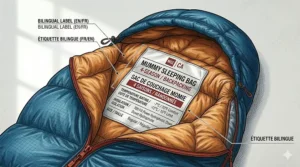
Canadian backpackers face unique challenges when interpreting temperature ratings, which are tested under controlled laboratory conditions that rarely match real-world backcountry scenarios. The EN (European Norm) or ISO rating system provides three key numbers: Comfort (where an average woman sleeps comfortably), Lower Limit (where an average man sleeps comfortably), and Extreme (survival threshold with serious hypothermia risk). Always plan around the Lower Limit rating while adding a 5-10°C safety margin for Canadian conditions where weather systems shift unpredictably.
What manufacturers don’t advertise is how personal factors dramatically affect these ratings. Your metabolism, pre-sleep nutrition, hydration status, fatigue level, and whether you’re a warm or cold sleeper all influence how a -10°C bag performs for you specifically. Canadian women, in particular, should note that most bags are tested on male subjects, meaning the Comfort rating provides more realistic guidance than Lower Limit. Add a sleeping pad with appropriate R-value (minimum R-4 for three-season use, R-6+ for winter)—ground conduction siphons more heat than most backpackers realize, and no sleeping bag compensates for inadequate pad insulation underneath.
Insulation Type: Down vs Synthetic for Canadian Climates
Down insulation (duck or goose) offers exceptional warmth-to-weight ratios and compresses smaller than any synthetic alternative—crucial for long-distance backpacking where pack volume limits gear choices. Quality down (650-800+ fill power) rebounds after compression, maintaining loft through hundreds of compression cycles. However, down’s Achilles heel is moisture: even hydrophobic-treated down loses insulating capability when wet, and it dries slowly in humid conditions. For Canadian backpackers tackling coastal British Columbia, Newfoundland’s foggy peninsulas, or anywhere persistent precipitation threatens, this vulnerability demands careful consideration.
Synthetic insulation (polyester-based) maintains warmth even when saturated—a property that has saved countless unprepared campers during surprise rainstorms. It dries faster than down, costs less, and continues insulating even after absorbing moisture from tent condensation or unexpected rain. The trade-offs are greater weight (typically 30-40% heavier for equivalent warmth), larger packed size, and shorter lifespan (synthetic fibers break down faster with repeated compression). For Canadian interior routes through the Prairies, Rockies, or boreal forests where precipitation is moderate and predictable, down provides optimal performance. For coastal environments or anyone prioritizing reliability over weight optimization, synthetic bags deliver peace of mind.
Fit and Features That Matter
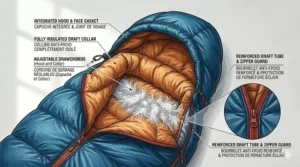
A properly fitted mummy sleeping bag should allow you to shift from back to side sleeping without excessive tightness while eliminating large air gaps around your torso. Canadian buyers over 180 cm or with broad shoulders should specifically seek “long” or “regular-wide” sizing—undersized bags compress insulation at pressure points (hips, shoulders, feet), creating cold spots that defeat the purpose of a well-rated bag. Quality bags include draft collars (insulated tubes around the neck/shoulders), draft tubes along zippers (preventing heat loss through zipper teeth), and shaped hoods with adjustable drawstrings that seal around your face without gap.
Look for details like anti-snag zippers (critical when you’re making adjustments in the dark), two-way zippers (allowing foot ventilation without unzipping entirely), and stash pockets inside the bag where you can store electronics against your body to prevent battery drain from cold. Compression stuff sacks should be included—aftermarket sacks rarely match the bag’s compression potential and cost $20-40 CAD extra. According to Frontenac Provincial Park’s camping safety guide, choosing a bag rated at least 10°F (roughly 5°C) lower than expected conditions provides the safety margin Canadian backcountry demands.
Weight vs Warmth: Finding Your Balance
Every gram counts when you’re portaging canoes across Quetico or hiking the Skyline Trail in Cape Breton, but chasing ultralight extremes without understanding trade-offs leads to miserable nights and potentially dangerous situations. A rule of thumb: expect 600-800g for a quality 0°C down bag, 1200-1600g for an equivalent synthetic option, and add 200-400g for each additional 5°C of cold-weather capability. Canadian backpackers should calculate their typical trip profiles—weekend warriors averaging 15-25 km total distance can tolerate slightly heavier bags, while thru-hikers covering 25+ km daily need aggressive weight reduction.
Consider your complete sleep system weight (bag + pad + pillow) rather than optimizing bags in isolation. Sometimes a slightly heavier bag paired with an ultralight inflatable pad delivers better total system weight than an ultralight bag requiring a heavier pad for adequate insulation. The weight-to-warmth ratio becomes your guiding metric: calculate grams per degree of warmth provided below 0°C. Premium bags achieve 25-35 grams per degree, mid-range options run 40-60 grams per degree, and budget bags often exceed 70 grams per degree.
Common Mistakes When Buying a Mummy Sleeping Bag
Trusting Temperature Ratings Without Context
The single most common error Canadian backpackers make is accepting manufacturer temperature ratings at face value without accounting for personal factors or testing conditions. A bag rated to -10°C assumes you’re sleeping on an adequate pad (R-5 minimum), you’re properly hydrated and fed, you’re wearing appropriate base layers, and your tent is set up to minimize wind exposure. Skip any of these factors and that -10°C bag might only perform to -5°C in real conditions. Always add a 5-10°C safety margin when selecting bags for Canadian backcountry use where weather forecasts are guidelines rather than guarantees.
Canadian buyers often overlook that EN/ISO testing assumes standardized body dimensions and metabolic rates. Women, smaller individuals, older adults, and anyone with poor circulation should focus on Comfort ratings rather than Lower Limit ratings. The testing also assumes you’re not exhausted, dehydrated, or undernourished—conditions that frequently occur during long hiking days. Ignoring these realities leads to purchasing bags that technically meet temperature requirements but fail to deliver comfortable sleep in actual backcountry scenarios.
Ignoring Packed Size and Compression
Focusing solely on weight while neglecting packed volume creates practical problems when assembling your pack system. A bag might weigh just 900g but compress to 8L volume, while another weighs 1200g but packs to 5L. That 3L difference matters enormously when you’re fitting bear canisters, stove systems, food, and clothing into a 50-60L backpack. Canadian canoe trippers need especially compact packed volumes to maximize waterproof barrel space. Always check compressed dimensions in litres or cubic centimetres, not just linear measurements which can be misleading.
Cheap compression sacks that come with budget bags often fail to achieve true compression, leaving you with unnecessarily bulky packs. Investing $30-40 CAD in a quality compression sack or dry bag designed for your specific bag volume often recovers 20-30% more pack space—critical when you’re optimizing every cubic centimetre.
Overlooking Canadian-Specific Requirements
Many backpackers purchase bags designed for American three-season use without recognizing that Canadian “three-season” extends from late May through early September in the south and compresses to July-August in northern regions. A 0°C comfort rating might work for Colorado Rockies camping but proves inadequate for Alberta’s Rockies where June and September nights routinely dip to -5°C. Similarly, bags designed for dry western US climates often lack the moisture resistance Canadian coastal and Great Lakes campers need. Always verify bags can handle persistent dampness if you’re camping anywhere near large water bodies or in maritime provinces.
Ultralight Mummy Bags: When to Invest in Premium Options
Ultralight mummy bags (sub-700g with genuine cold-weather ratings) command premium pricing ($250-400+ CAD) but deliver unmatched performance for specific Canadian backpacking profiles. If you’re attempting the Great Divide Trail’s full 1,200+ km route, paddling the Boundary Waters’ 1,000+ km of connecting routes, or tackling any multi-week expedition where pack weight directly limits daily mileage, these bags become essential tools rather than luxury items. The weight savings—often 500-800g compared to budget alternatives—accumulates across your entire gear system, enabling faster travel, reduced fatigue, and expanded range.
Premium ultralight bags typically feature 800-900 fill power down, ultralight shell fabrics (10-15D), sophisticated baffle construction preventing down migration, and weight-optimized zippers and hardware. The Naturehike Goose Down reviewed above represents the accessible edge of this category, while cottage industry brands like Feathered Friends, Western Mountaineering, and Zpacks push ultralight engineering to extremes at $600-900+ CAD. Canadian buyers should honestly assess their usage patterns—if you’re averaging 6-10 nights annually with routes under 50 km total distance, premium ultralight options provide diminishing returns compared to solid mid-range bags.
However, for serious long-distance backpackers, the calculation shifts dramatically. Over a 30-day, 600 km route, carrying an extra 600g in your sleeping bag means lifting that weight roughly 2.4 million times (assuming 2,000 steps per kilometre). The cumulative energy expenditure, joint stress, and fatigue reduction from ultralight gear becomes measureable in performance terms, not just comfort preferences.
Thermal Efficiency: Beyond Temperature Ratings
Understanding Fill Power and Down Quality
Fill power measures how much volume one ounce of down occupies under standardized conditions—higher fill power means more loft per gram, translating directly to better warmth-to-weight ratios. A 700-fill power down bag needs more total down weight to achieve -10°C rating than an 850-fill bag, meaning the 850-fill option weighs less for equivalent warmth. Canadian backpackers should target 650+ fill for quality entry-level bags, 750+ for serious backcountry use, and 850+ only if pursuing aggressive ultralight systems where every gram justifies premium pricing.
The species matters too: goose down generally offers higher fill power than duck down and maintains loft longer through compression cycles, though quality duck down (650+) performs admirably for most Canadian backpacking. Hydrophobic treatments (DownTek, DriDown) add 10-15% to cost but provide crucial moisture resistance for humid Canadian environments—worth considering if you’re camping near Great Lakes, Atlantic coast, or anywhere persistent fog threatens.
Draft Protection and Heat Loss Prevention
Even premium insulation fails if your bag design allows convective heat loss through gaps and seams. Draft collars—insulated tubes sitting across your shoulders/chest when the bag is cinched—prevent warm air from escaping past your neck. Quality bags include substantial draft tubes along zipper lengths, essentially doubling the insulation thickness where zipper teeth would otherwise create thermal bridges. Shaped hoods with multiple drawstring adjustments seal around your face without gaps, though overly aggressive hood tightening can restrict breathing and create claustrophobia.
Canadian winter camping demands aggressive draft protection that three-season bags often skimp on. When shopping, examine zipper baffle width (minimum 7-10 cm for serious cold-weather use), check that hood drawstrings operate independently for face and neck adjustments, and verify the neck collar sits high enough to seal above your shoulders when lying down. These details separate bags that merely survive Canadian cold from those that deliver genuine comfort.
FAQ Section
❓ Can I use a mummy sleeping bag for winter camping in Canada?
❓ How do I store my mummy sleeping bag between camping trips?
❓ What's better for Canadian backpacking: down or synthetic insulation?
❓ How often should I wash my mummy sleeping bag?
❓ Are mummy sleeping bags suitable for side sleepers?
Conclusion: Choosing Your Ideal Mummy Sleeping Bag for Canadian Adventures
Selecting the right mummy sleeping bag for backpacking in Canada ultimately balances temperature requirements, pack weight priorities, budget constraints, and the specific environments you’ll explore. The TETON Sports LEEF series delivers exceptional value for beginners and intermediate backpackers seeking reliable synthetic performance across diverse conditions, while the Naturehike down options reward serious weight-conscious hikers with ultralight capabilities at accessible price points. Budget-conscious buyers will find honest functionality in the Amazon Basics 20°F or BISINNA models, accepting modest compromises for significant cost savings.
Canadian backpacking demands more than importing American gear recommendations—our extended shoulder seasons, dramatic temperature swings, and diverse moisture environments from Pacific rainforests to Prairie drylands require thoughtful selection addressing these realities. Always rate bags for 5-10°C colder than forecast temperatures, pair with adequate sleeping pads (R-4 minimum), and honestly assess whether you’re a warm or cold sleeper before committing to specific temperature ratings.
The investment in a quality mummy sleeping bag pays dividends across years of backcountry adventures, transforming cold miserable nights into restorative sleep that fuels next-day exploration. Whether you’re tackling the West Coast Trail’s challenging terrain, paddling Algonquin’s remote lakes, or hiking the Rockies’ alpine routes, your sleeping bag becomes your nightly refuge—choose wisely and sleep soundly.
✨ Don’t Miss These Exclusive Deals!
🔍 Take your backpacking adventures to the next level with these carefully selected mummy sleeping bags. Click on any highlighted product to check current pricing and availability on Amazon.ca. These bags will help you create authentic backcountry experiences your friends will envy! 🎒🏔️
Recommended for You
- 7 Best Sleeping Bags for Arctic Conditions Canada 2026
- 7 Best Winter Sleeping Bags for -30 Degrees Canada 2026
- 7 Best Cold Weather Sleeping Bags for Canadian Winters 2026
Disclaimer: This article contains affiliate links. As an Amazon Associate, I earn from qualifying purchases. If you purchase products through these links, we may earn a small commission at no additional cost to you.
✨ Found this helpful? Share it with your friends! 💬🤗
