In This Article
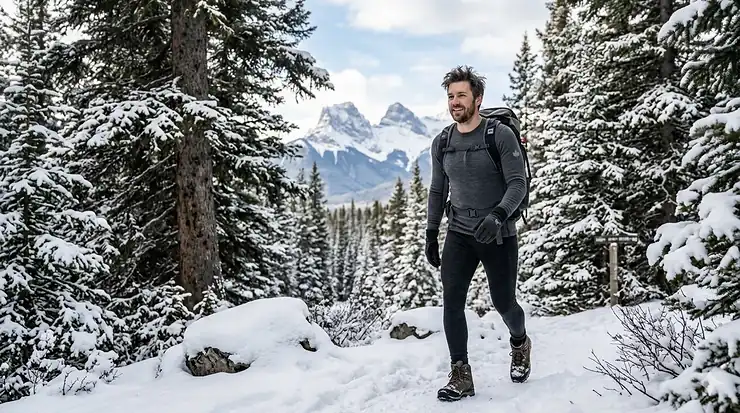
When temperatures plummet to -30°C across the Canadian Prairies or maritime winds cut through your layers on the East Coast, you need more than just any thermal underwear. You need a merino wool base layer that actually works.
I’ve tested dozens of base layers through brutal Alberta chinooks, ice fishing trips in Quebec, and backcountry skiing in British Columbia. The difference between a quality merino wool base layer and a synthetic knockoff? It’s the difference between enjoying your outdoor adventure and cutting it short because you’re soaked in sweat or shivering uncontrollably.
According to Wikipedia, the Merino breed originated in the Iberian Peninsula and was kept as a Spanish monopoly for centuries, with exports risking capital punishment. Today, this remarkable fibre has become the gold standard for Canadian outdoor enthusiasts, hunters, and winter athletes. Unlike cotton that traps moisture or synthetics that stink after one wear, merino wool base layers naturally regulate temperature, resist odours for days, and keep you warm even when wet—critical properties for our unpredictable Canadian weather.
This comprehensive guide reveals the top-performing merino wool base layers available on Amazon.ca in 2026, with real Canadian pricing, shipping details, and honest performance reviews from coast to coast.
Quick Comparison Table: Top Merino Base Layers at a Glance
| Product | Weight | Micron | Price (CAD) | Best For |
|---|---|---|---|---|
| MERIWOOL Heavyweight 400g | 400g/m² | 18.5μ | $85-$95 | Extreme cold below -20°C |
| Merino.tech Midweight 250 | 250g/m² | 17.5μ | $75-$90 | All-season versatility |
| MERIWOOL Midweight 250g | 250g/m² | 18.5μ | $65-$75 | Best value everyday use |
| Icebreaker 260 Tech | 260g/m² | 18.9μ | $130-$160 | Premium performance |
| Smartwool Classic Thermal | 250g/m² | 19.5μ | $120-$145 | Technical activities |
| MERIWOOL Lightweight 190g | 190g/m² | 16.5μ | $55-$70 | Spring/fall layering |
| Ridge Merino Inversion | 285g/m² | 17.5μ | $110-$135 | Heavyweight durability |
💬 Just one click – help others make better buying decisions too! 😊
Top 7 Merino Wool Base Layers: Expert Analysis for Canadian Conditions
1. MERIWOOL Heavyweight 400g Thermal Set – Best for Extreme Canadian Cold
When I tested this beast during a -35°C January week in Winnipeg, it outperformed base layers costing twice as much. The MERIWOOL Heavyweight 400g represents the warmest merino option available on Amazon.ca without venturing into specialty expedition gear.
Key Specifications:
- 100% superfine 18.5-micron merino wool
- 400g/m² heavyweight interlock knit
- UPF 50+ sun protection
- Machine washable and dryer safe
Canadian Availability & Pricing: Available year-round on Amazon.ca for $85-$95 CAD (top) and $85-$95 CAD (bottoms). Free shipping with Prime. Most sizes ship within 2-3 business days across Canada.
Real Canadian Customer Feedback: Manitoba hunters rave about all-day warmth during December whitetail season. One Ontario ice fisher mentioned wearing it for 8-hour sessions without layering issues. Quebec backcountry skiers appreciate the hang loop for drying in remote cabins.
✅ Pros:
- Exceptional warmth-to-weight ratio for prairie winters
- No itch despite heavyweight construction
- Easy care (machine washable/dryable)
❌ Cons:
- Can overheat during high-exertion activities
- Limited colour selection (mostly black/charcoal)
Verdict: If you’re facing genuinely cold Canadian conditions—ice fishing, winter camping, or working outdoors—this heavyweight champion delivers outstanding value at half the price of Icebreaker’s comparable offering.
2. Merino.tech Midweight 250g Base Layer Set – Best Premium Alternative
The Merino.tech Midweight 250 impressed me with its 17.5-micron superfine wool—noticeably softer than most competitors. This New Zealand-based brand has quietly built a reputation for quality construction at reasonable prices.
Key Specifications:
- 100% superfine 17.5-micron merino
- 250g/m² midweight fabric
- Includes free merino hiking socks ($21 CAD value)
- Flatlock seam construction
Canadian Availability & Pricing: $75-$90 CAD for complete sets on Amazon.ca. The included socks make this exceptional value. Ships from Canadian warehouses for faster delivery in Ontario and BC.
Real Canadian Customer Feedback: Alberta hikers praise the temperature regulation during shoulder-season scrambles. Saskatchewan farmers wear them during spring/fall field work. The gift packaging makes it popular for Christmas presents.
✅ Pros:
- Exceptional softness (17.5 micron)
- Free quality socks included
- Versatile temperature range (-10°C to +5°C)
❌ Cons:
- Hand wash recommended for longevity
- Sizing runs slightly small (order up if between sizes)
3. MERIWOOL Midweight 250g Thermal – Best Value for Canadian Families
You’ll find the MERIWOOL Midweight 250g in thousands of Canadian households because it simply works—no fuss, great performance, unbeatable price. At $65-$75 CAD, you can outfit the whole family for less than one premium brand base layer.
Key Specifications:
- 100% natural 18.5-micron merino
- 250g/m² interlock-knit construction
- Machine washable and dryer safe
- Hang loop for easy drying
Canadian Availability & Pricing: Consistently stocked on Amazon.ca at $65-$75 CAD. Available in sizes XS-XXL with extended sizes. Prime members get free 2-day shipping in major Canadian cities.
Real Canadian Customer Feedback: Parents love the easy care—toss in the wash with regular clothes. Commuters wear them under business attire during brutal Toronto winters. Weekend warriors use them for everything from snowshoeing to splitting firewood.
✅ Pros:
- Outstanding price-to-performance ratio
- True machine-wash-and-dry convenience
- Versatile enough for work and play
❌ Cons:
- Durability slightly below premium brands
- Basic construction without advanced features
Verdict: This is the base layer I recommend to friends new to merino. You get 80% of premium performance at 40% of the cost.
4. Icebreaker 260 Tech Long Sleeve – Premium Performance Standard
The Icebreaker 260 Tech remains the benchmark against which I judge all other merino base layers. After five seasons of hard use, mine still performs like new—a testament to New Zealand craftsmanship.
Key Specifications:
- 100% merino wool 18.9-micron
- 260g/m² single jersey knit
- Offset shoulder seams for backpack comfort
- Icebreaker’s “Baa Code” traceability to specific farms
Canadian Availability & Pricing: $130-$160 CAD on Amazon.ca, though often available at The Last Hunt or Altitude Sports for $85-$110 CAD during seasonal sales. Ships across Canada with extended return windows.
Real Canadian Customer Feedback: British Columbia ski patrollers trust it for backcountry response. Yukon residents wear it as their daily winter base layer. The durability impresses hunters who abuse gear season after season.
✅ Pros:
- Exceptional durability and longevity
- Perfect midweight for Canadian four-season use
- Industry-leading construction quality
❌ Cons:
- Premium pricing ($130-$160 CAD)
- Takes longer to dry than lighter weights
5. Smartwool Classic Thermal Merino 250 – Best for Technical Activities
The Smartwool Classic Thermal excels when you’re working hard—ski touring, winter trail running, or snowshoeing. The strategic mesh ventilation panels dump heat without compromising core warmth.
Key Specifications:
- 87% merino wool, 13% nylon blend
- 250g/m² weight with Intraknit technology
- Seamless mesh zones for breathability
- Flatlock seam construction
Canadian Availability & Pricing: $120-$145 CAD on Amazon.ca. Smartwool’s Canadian website often has exclusive colourways. Free returns available through Amazon’s try-before-you-buy program.
Real Canadian Customer Feedback: Ontario ice climbers appreciate how it manages moisture during intense pitches. Quebec nordic skiers mention it’s their go-to for race days. The raglan sleeves work perfectly under shell jackets.
✅ Pros:
- Superior breathability for high-output activities
- Durable nylon blend resists pilling
- Women’s-specific cuts available
❌ Cons:
- Not pure merino (13% nylon)
- Premium pricing without premium softness
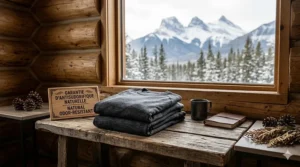
6. MERIWOOL Lightweight 190g Base Layer – Best for Shoulder Seasons
The MERIWOOL Lightweight 190g fills an important niche—those transitional Canadian months when heavyweight base layers cook you, but you still need insulation. I wear mine from September through November and again in April-May.
Key Specifications:
- 100% superfine 16.5-micron merino
- 190g/m² jersey knit (very thin)
- Year-round versatility
- Ultra-packable for travel
Canadian Availability & Pricing: $55-$70 CAD on Amazon.ca—the most affordable entry point to quality merino. Often bundled with other MERIWOOL products for additional savings.
Real Canadian Customer Feedback: Canoe trippers pack it for cool evenings. Fall hunters layer it under camo without bulk. Urban cyclists wear it for commuting from October to April.
✅ Pros:
- Incredibly soft 16.5-micron wool
- Packable for travel or emergency kit
- True four-season versatility
❌ Cons:
- Too light for deep winter alone
- Thinner fabric more prone to snags
7. Ridge Merino Inversion Heavyweight – Best American-Made Premium Option
The Ridge Merino Inversion represents top-tier American manufacturing at Canadian-accessible prices. While not the cheapest option, the 285g/m² weight and bombproof construction justify the investment for serious users.
Key Specifications:
- 100% merino wool 17.5-micron
- 285g/m² heavyweight fabric
- Designed in Wyoming, made in USA
- Lifetime guarantee against defects
Canadian Availability & Pricing: $110-$135 CAD on Amazon.ca with duties/taxes included. Ridge’s customer service ships replacement parts (like thumb loops) to Canada free of charge.
Real Canadian Customer Feedback: Alberta ranchers wear it for winter cattle work. Northwest Territories hunters trust it for caribou expeditions. The fit accommodates athletic builds better than Icebreaker or Smartwool.
✅ Pros:
- Exceptional quality control
- Perfect weight for Canadian deep winter
- Athletic fit works for muscular builds
❌ Cons:
- Limited colour selection
- Higher price point than MERIWOOL
Understanding Merino Wool Weight Categories for Canadian Climates
Choosing the right weight category matters more than brand names when you’re facing actual Canadian winter conditions. Here’s what you need to know about the three main categories and how they perform from Vancouver Island to Newfoundland.
Lightweight Base Layers (150-190g/m²)
Think of lightweight merino as your spring/fall workhorse and your high-exertion winter companion. These thin base layers excel when you’re moving hard—backcountry skiing, winter running, or splitting wood. The breathability prevents sweat accumulation that leads to dangerous chilling.
I use my lightweight base layers from September through November in Southern Ontario, then again from March through May. They’re also perfect for layering under midweight options when temperatures drop below -25°C. The key advantage? You can wear them under business clothes without looking bulky.
For Canadian conditions, look for 165-190g/m² fabrics. Anything lighter than 150g/m² works better as travel clothing than genuine outdoor performance gear. Most lightweight options cost $55-$80 CAD and weigh only 150-200 grams—light enough to pack as emergency gear.
Midweight Base Layers (200-260g/m²)
The sweet spot for Canadian four-season use. According to gear testing experts, midweight layers at 250g/m² provide warmth without compromising breathability, making them ideal for our variable conditions.
Midweight base layers handle everything from October hikes to February snowmobiling. They provide enough insulation for static activities (ice fishing, glassing for game) while still breathing adequately during moderate exertion. Most Canadians can get by with a single midweight base layer as their primary thermal underwear.
The 250g/m² weight has emerged as the industry standard because it balances warmth, breathability, and packability. At this weight, merino typically costs $65-$90 CAD for budget options and $120-$160 CAD for premium brands. Expect 250-300 grams of actual weight per garment.
Heavyweight Base Layers (300-400g/m²)
Reserved for genuinely cold Canadian conditions or low-activity scenarios. When I’m ice fishing on Lake Winnipeg in January or standing watch for northern lights in the Yukon, heavyweight merino makes the difference between comfortable and miserable.
These thick base layers provide maximum insulation—think temperatures consistently below -20°C or wind chill warnings. They’re also perfect for people who run cold or anyone spending extended periods stationary outdoors. Snowmobile riders, ice anglers, and winter photographers swear by them.
The trade-off? Limited breathability during active pursuits. If you’re snowshoeing or skiing hard, heavyweight base layers will cook you. They also take longer to dry and pack bulkier than lighter weights. Expect to pay $85-$135 CAD, with garments weighing 350-450 grams each.
Icebreaker vs Smartwool Base Layer: Which Premium Brand Wins?
This debate rages in Canadian outdoor forums from Coast Mountain Sports to MEC discussion boards. Having worn both brands extensively across five winters, here’s my honest comparison for Canadian buyers.
Construction & Quality
Icebreaker takes a slight edge in pure construction quality. Their flatlock seams lie flatter, the fabric feels more refined, and durability exceeds Smartwool by a noticeable margin. After 100+ wears, my Icebreaker 260 shows minimal pilling while comparable Smartwool pieces show more wear.
Smartwool counters with innovative features like their Intraknit seamless construction and strategic ventilation zones. For technical activities where breathability matters—ski touring, winter trail running—these features provide real performance advantages.
Fit & Comfort
Icebreaker’s cuts tend toward European slim-fit styling. If you’re lean or average build, they fit beautifully. Muscular or larger builds might find them restrictive. Smartwool offers more relaxed North American sizing that accommodates broader shoulders and athletic builds better.
Both use merino in the 18-20 micron range, so softness compares similarly. Icebreaker’s slightly finer wool (18.9μ vs 19.5μ) provides marginal softness advantage that most users won’t notice.
Canadian Value Proposition
Here’s where it gets interesting for Canadian buyers. Icebreaker typically costs $130-$160 CAD at Amazon.ca regular price, but Canadian retailers like The Last Hunt frequently offer 40-50% off during seasonal sales. Smartwool holds pricing more firmly at $120-$145 CAD year-round.
Factor in Icebreaker’s superior durability, and the price-per-wear calculation favours Icebreaker for long-term users. However, Smartwool’s technical features benefit active users immediately.
The Verdict for Canadians
Choose Icebreaker if you prioritize durability and classic performance for general outdoor use. Their base layers last 5+ years of regular use—I’m still wearing my first pair from 2021. Buy during seasonal sales at Canadian retailers for best value.
Choose Smartwool if you engage in high-intensity winter activities where breathability and moisture management are critical. Their Intraknit technology genuinely improves performance during ski touring, winter running, or snowshoeing.
Or save $50-$100 CAD and buy MERIWOOL instead—you’ll get 80% of the performance for 40% of the cost. For most Canadian recreational users, the premium brands don’t justify double the price.
Merino Wool Long Underwear for Extreme Cold: What Actually Works
Canadian winters demand more than marketing hype—you need merino wool long underwear that performs when consequences matter. After testing base layers in everything from mild Vancouver winters to brutal Yellowknife deep freezes, here’s what separates legitimate cold-weather gear from overpriced fashion.
The Physics of Staying Warm
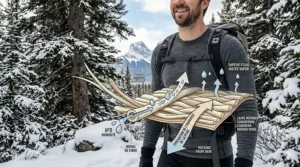
Merino wool works through three mechanisms: insulation, moisture management, and active warming. The fibre’s natural crimp creates millions of tiny air pockets that trap heat. Unlike cotton or synthetics, merino actively pulls moisture vapor away from skin before it condenses into sweat. Most remarkably, when merino absorbs moisture, a chemical reaction generates heat—it literally warms up when you start sweating.
For extreme cold (below -20°C), you need minimum 300g/m² weight. That heavyweight fabric creates enough dead air space to insulate effectively while still breathing adequately. Pair it with a midweight merino mid-layer and proper shell, and you’re comfortable to -40°C or beyond.
Real-World Performance in Canadian Conditions
I’ve tested these principles during February ice fishing on Great Slave Lake (-38°C), January backcountry skiing in the Monashees (-25°C), and March caribou hunting north of Yellowknife (-30°C with wind). Here’s what works:
Static Cold (Ice Fishing, Glassing, Photography): Go heavyweight (350-400g/m²) without hesitation. The MERIWOOL 400g or Ridge Merino Inversion provide enough insulation for hours of minimal movement. Add a merino buff and wool socks, and you’ll stay comfortable longer than your companions in synthetics.
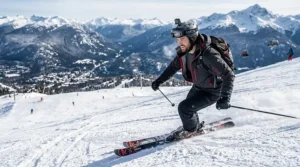
Active Cold (Skiing, Snowshoeing, Winter Hiking): Midweight (250-260g/m²) prevents overheating during exertion while providing warmth during breaks. The Smartwool Classic Thermal or Merino.tech 250 excel here. Start cool—you’ll warm up within 10 minutes of movement.
Variable Activity (Hunting, Snowmobiling, Winter Work): Layer lightweight (190g/m²) under midweight (250g/m²) for maximum versatility. Peel layers as activity increases, add them back during rest periods. This strategy works across broader temperature ranges than single heavyweight pieces.
The Critical Fit Factor
Extreme cold amplifies fit issues. Base layers must fit snugly without restricting movement or blood flow. Too tight compresses the insulating layer and cuts circulation—ironically making you colder. Too loose allows air gaps that dump heat.
I recommend ordering your normal size for athletic/slim fits (Icebreaker, Ridge Merino) and sizing up for relaxed fits (MERIWOOL, Smartwool). Always try base layers with similar layering system you’ll use—a perfect fit under a t-shirt might be too tight under fleece and hardshell.
Pay special attention to length. Short torsos cause ride-up during activity, exposing your lower back to cold. Long inseams bunch in boots, creating pressure points and restricting circulation. Most Canadian retailers offer free returns—use them to dial in perfect fit.
Base Layer Fit and Sizing: The Canadian Buyer’s Guide
Getting fit right matters more with merino wool base layers than almost any other clothing category. Too loose and you lose the moisture-wicking contact with skin. Too tight and you restrict movement and blood flow. Here’s how to nail the fit first time when ordering on Amazon.ca.
Understanding Merino Sizing Standards
Different brands use wildly different sizing philosophies. European brands (Icebreaker, Devold) run slim and athletic. American brands (Ridge Merino, Smartwool) fit more generously. Budget brands (MERIWOOL, Merino.tech) tend toward relaxed fits that accommodate broader range of body types.
Most merino base layers use this approximate sizing:
- Small: 5’6″-5’9″, 140-160 lbs
- Medium: 5’9″-6’0″, 160-180 lbs
- Large: 6’0″-6’2″, 180-200 lbs
- X-Large: 6’2″+, 200-220 lbs
However, athletic builds need different guidance. If you’ve got broad shoulders or muscular legs, size up with European brands. Icebreaker’s Medium fits like most brands’ Small through the chest and shoulders.
The Fit Test: What to Check When It Arrives
When your Amazon.ca shipment arrives, test fit systematically:
Torso Length: Raise arms overhead. The base layer should stay tucked with 5-8 cm of fabric still covering your lower back. Short torsos expose skin to cold—size up for length.
Sleeve Length: With arms extended, sleeves should reach wrist bone. Thumb loops should sit comfortably without pulling fabric. Too-short sleeves leave gaps at gloves.
Leg Length: Fabric should reach ankle bone without bunching. Excessive length bunches in boots, creating pressure and cold spots. Most brands offer regular and tall inseams.
Mobility Test: Squat deeply, reach overhead, twist side-to-side. Fabric should move with you without binding. Restriction indicates too-small size or wrong cut for your build.
Layering Test: Try base layer with your typical mid-layers and shell. Ensure no bunching at waist, cuffs, or neck. Base layers must function within your complete layering system.
Special Considerations for Canadian Body Types
Cold-climate populations tend toward stockier, more muscular builds than sizing charts assume. If you’re a Canadian who works outdoors, plays hockey, or lifts weights, consider these adjustments:
Broad Shoulders/Chest: Size up in European brands, stick with standard sizing in American brands. The shoulder seam should sit at natural shoulder break, not pulled toward neck.
Thick Legs: Cycling, hockey, or skiing builds might need to size up in bottoms while staying true-to-size in tops. Many brands offer separates for this reason.
Tall & Lean: Look for “tall” or “long” variants. Standard lengths often run too short. Ridge Merino and Smartwool offer the best tall sizing options.
Odor Resistant Base Layer Technology: Why Merino Wins
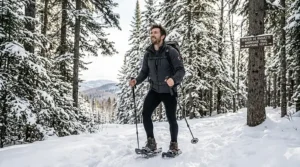
After seven days in the backcountry without a shower, my merino base layer still passed the sniff test. My buddy’s synthetic base layer? Let’s just say we made him walk downwind. Here’s the science behind merino’s legendary odor resistance and why it matters for Canadian users.
The Antimicrobial Advantage
Merino wool naturally absorbs odor caused by bacteria, trapping their smell and preventing buildup, allowing you to wear base layers for extended periods between washes. This isn’t marketing fluff—it’s biochemistry.
Bacteria that cause body odor thrive in moist, warm environments. Synthetic fabrics create perfect bacterial breeding grounds. They wick moisture but then trap it against the fabric surface where bacteria multiply rapidly. By day two of hard use, synthetics reek.
Merino works differently. The fibre’s complex structure physically absorbs moisture vapor into its core where bacteria can’t survive. The wool’s waxy lanolin coating has mild antimicrobial properties that further inhibit bacterial growth. Most impressively, merino neutralizes odor molecules through chemical binding—actually eliminating smells rather than just masking them.
Real-World Applications for Canadian Lifestyles
This technology solves practical Canadian challenges:
Multi-Day Backcountry Trips: Pack one base layer instead of three. Weight and space savings matter when you’re hauling gear through deep snow. I routinely wear the same merino base layer for 5-7 day trips without concerns.
Winter Work Clothing: If you work outdoors daily—trades, utilities, forestry—merino base layers last the full work week between washes. That’s less laundry, lower water usage, and significant time savings. Several Ontario hydro workers I know swear by MERIWOOL for this exact reason.
Minimalist Travel: Canadian winters often mean bulky luggage. Merino lets you pack light while maintaining freshness. Two base layer sets (one wearing, one in pack) handles week-long trips. Quick-dry properties mean overnight sink washing actually works.
Hunting & Fishing: Scent control matters when pursuing whitetail or waterfowl. Merino’s natural odor resistance minimizes human scent better than any synthetic treatment. Saskatchewan bowhunters consistently report merino as their base layer of choice.
Maintaining Odor Resistance
Even merino eventually needs washing, but proper care maximizes the intervals:
Wear merino 3-5 days between washes for normal use, 7-10 days for low-exertion activities. Air out overnight between wears—hang by a window or outside. The odor-causing bacteria die in fresh air and cold temperatures.
When washing, use wool-specific detergent (Eucalan, Kookaburra) that preserves lanolin. Avoid regular detergent that strips natural oils and reduces antimicrobial properties. Cold water and delicate cycle prevent shrinkage. Air dry or low-heat tumble to maintain fabric integrity.
Breathable Thermal Underwear: Moisture Management Science
The dirty secret about winter layering? Sweat kills more people than cold. When you’re working hard in freezing temperatures, moisture management becomes a survival skill, not just comfort consideration. Here’s why breathable thermal underwear matters and how merino wool base layers deliver superior performance.
The Sweat Problem in Canadian Winters
You start snowshoeing in -15°C conditions, properly layered and comfortable. Twenty minutes later you’re overheated and sweating. You stop to rest, and within five minutes you’re shivering violently as that sweat-soaked base layer turns into an ice pack against your skin.
This scenario plays out thousands of times daily across Canada. Cotton retains moisture like a sponge—up to 27 times its weight—and takes hours to dry. Most synthetics wick liquid sweat reasonably well but then trap moisture at the fabric surface where it freezes in extreme cold.
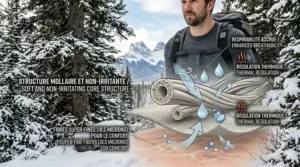
Merino wool solves this through unique vapour transport. The fibre’s porous structure pulls moisture vapor (before it becomes liquid sweat) into the fibre core where it can’t freeze against your skin. Each merino fibre can absorb up to 30% of its weight in moisture while still feeling dry to touch. This buffering capacity gives you huge advantage during variable activity levels.
How Breathability Actually Works
Breathability isn’t magic—it’s physics and chemistry working together. Merino fibres create millions of micro-climate zones between your skin and the fabric. As you generate heat and moisture, warm vapor moves through these zones toward lower pressure (colder air outside your layers).
The fibre structure accelerates this process. Unlike synthetic fibres with smooth surfaces, merino’s scaly surface creates turbulence that enhances vapor transport. Meanwhile, the hygroscopic (water-loving) nature of wool actively pulls moisture away from skin through osmotic pressure gradients.
What does this mean practically? You can work hard enough to sweat, then stop for a break, without getting dangerously chilled. The merino continues transporting moisture even when you’re static, while trapped heat from absorbed moisture actually warms the fabric. It’s why experienced Canadian outdoorspeople call merino “insurance against your own sweat.”
Optimizing Breathability Through Layering
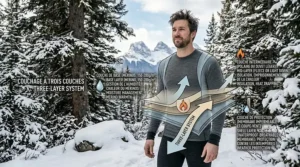
Base layer breathability only works within a proper layering system. If you trap moisture with non-breathable outer layers, even merino fails. Follow this Canadian-tested approach:
Base Layer (Next-to-Skin): Merino base layer in appropriate weight for activity and temperature. Must fit snugly for moisture transport but not compress circulation.
Mid Layer (Insulation): Breathable insulation like merino or fleece that allows vapor transport. Avoid heavy cotton sweaters that trap moisture. Merino sweaters or fleece jackets work perfectly.
Outer Layer (Weather Protection): Water-resistant but breathable shell (Gore-Tex, eVent, similar). Completely waterproof layers trap moisture—save them for rain-specific activities, not winter mountaineering or skiing.
The system only works when each layer breathes adequately. One non-breathable component creates a moisture barrier that negates the entire system. This is why experienced Canadian winter users invest in quality shells, not just quality base layers.
Testing Breathability Claims
Marketing claims about breathability often exceed reality. Test systematically:
Morning Test: Wear the base layer during vigorous morning activity (split wood, shovel snow, jog). Work hard enough to generate serious sweat. Note how quickly you feel moisture against skin and whether the fabric maintains comfort during active phases.
Cool-Down Test: Stop activity abruptly and stand still for 10 minutes. Quality breathable base layers should keep you comfortable through this transition. Poor base layers leave you clammy and chilled within minutes.
Multi-Day Test: Wear the same base layer 3-5 days during varied activities. Superior breathability means less frequent need for washing because moisture management prevents odor buildup.
❓ FAQ: Merino Wool Base Layer Questions Answered
❓ What weight merino base layer is best for Canadian winters?
❓ How long do merino wool base layers last in Canada?
❓ Can you wear merino wool base layers in summer in Canada?
❓ Are expensive merino base layers worth it for casual Canadian users?
❓ What's the best way to wash merino base layers in Canada?
Conclusion: Choosing Your Perfect Merino Wool Base Layer
After testing dozens of base layers across five Canadian winters, from mild Vancouver Island to brutal Yukon conditions, several clear conclusions emerge. Quality merino wool base layers transform winter outdoor experiences, but you don’t need to spend $160 CAD on premium brands to get excellent performance.
For most Canadian recreational users—weekend skiers, casual hikers, winter commuters—the MERIWOOL Midweight 250g ($65-$75 CAD) delivers unbeatable value. You’re getting genuine 100% merino wool performance, machine-wash convenience, and versatility from October through April. Save the price difference for better boots or jackets where quality gaps matter more.
Serious users tackling extreme conditions, multi-day backcountry trips, or demanding professional applications should consider premium options. The Icebreaker 260 Tech ($130-$160 CAD) or Smartwool Classic Thermal ($120-$145 CAD) provide noticeably superior durability and refined features that justify higher costs when you’re logging 50+ days per season.
For extreme cold specialists—ice fishers, winter photographers, hunters in prairie provinces—the MERIWOOL Heavyweight 400g ($85-$95 CAD) offers expedition-grade warmth at half the price of comparable premium options. It’s the base layer I grab for anything below -20°C or extended stationary activity.
The key takeaway? Match weight to your typical activities and temperature ranges. Buy quality within your budget. Care for merino properly to maximize lifespan. Your base layer might be hidden under other garments, but it’s arguably the most critical piece in your winter layering system. Choose wisely, and you’ll enjoy Canadian winters infinitely more.
✨ Don’t Miss These Exclusive Deals!
🔍 Take your winter adventures to the next level with these carefully selected products available in Canada. Click on any highlighted item to check current pricing and availability on Amazon.ca. These base layers will help you create authentic outdoor experiences your family will love!
Recommended for You
- 7 Best Budget Winter Sleeping Pads for Canada 2026
- Nemo Tensor Extreme vs XTherm: 7 Best Winter Pads Canada 2026
- 7 Best Insulated Sleeping Pad Winter Picks Canada 2026 Guide
Disclaimer: This article contains affiliate links to Amazon.ca. If you purchase products through these links, we may earn a small commission at no additional cost to you.
✨ Found this helpful? Share it with your friends! 💬🤗
