
In This Article
You know the moment. Dusk settles over the lake, the fire finally catches, and something you cannot see starts gnawing on your ears, neck and ankles. Mosquitoes at least have the decency to whine before they strike. Biting midges just bite.
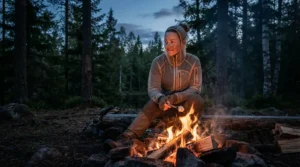
A no-see-um mesh jacket is the grown-up answer: a wearable screen door that blocks insects physically instead of chemically. For Canadians, that matters. Bug season runs from the first thaw through late summer, and some of us are sensitive to repellents or would rather not slather them near our faces. The best no-see-um mesh jacket gives you hours of peace for the cost of a decent dinner out.
Here’s how this guide was built. I compared manufacturer specs, retailer listings, and published reviewer feedback for seven real products. I haven’t personally owned or tested any of them, so where reviews were thin, I say so rather than invent anything. You’ll get honest analysis, the numbers translated into plain English, and a few tricks no product listing mentions.
Expect real answers on mesh density, how much airflow you give up for protection, and which jacket suits a canoe trip versus a backyard fire pit. All prices are approximate Canadian ranges, so check current pricing before you buy. 🦟
Quick Comparison: The Best No-See-Um Mesh Jacket Options at a Glance
| Model | Style | Mesh (as stated by sellers) | Price Range (CAD) | Best For |
|---|---|---|---|---|
| Coghlan’s Bug Jacket | Loose mesh jacket, hood | 1,150–1,600 holes/in² (listings differ) | C$20–C$35 | Budget campers |
| Ben’s InvisiNet Bug Jacket & Mittens | Jacket plus mitts | Not published | C$35–C$55 | Hikers who want hand cover |
| Bug Baffler Insect Protective Mesh Shirt | Pullover, snug cuffs | “Genuine no-see-um” (count not published) | C$50–C$75 | Chemical-free everyday use |
| The Original Bug Shirt | Microfibre body, mesh panels | No-see-um mesh panels | C$90–C$130 | Heavy blackfly country |
| LOOGU Mosquito Suit Set | Jacket and pants | “Ultra-fine” (count not published) | C$30–C$60 | Modular full coverage |
| tupi Mosquito Suit Set | Jacket, pants, carry bag | About 620 holes/in² | C$30–C$60 | Packable camping set |
| Aventik Mosquito Jacket | One-size jacket (S–L) | Up to about 2,000 holes/in² (seller-stated) | C$40–C$70 | Finest-mesh seekers |
Read the table as a map of trade-offs, not a leaderboard. Coghlan’s Bug Jacket is the sensible starting point under C$35, while The Original Bug Shirt costs three or four times more for Canadian-made construction and a design refined over decades. If hands are your weak point, Ben’s InvisiNet Bug Jacket & Mittens is the only pick here that includes mitts. Mesh numbers come straight from sellers, and no independent lab seems to have verified them, so treat them as directional.
💬 Just one click — help others make better buying decisions too!😊
What Is a No-See-Um Mesh Jacket?
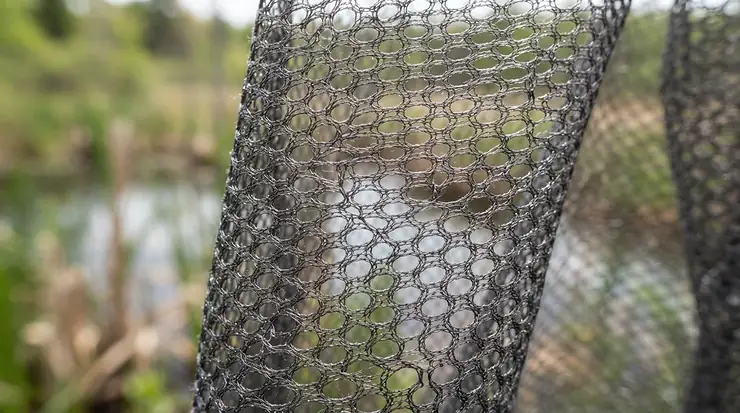
A no-see-um mesh jacket is a lightweight, loose-fitting top made from ultra-fine polyester netting, usually with a hood and a zippered face opening, that physically blocks biting midges, mosquitoes and blackflies. Elastic cuffs and a drawstring hem seal the gaps, so protection comes from a barrier rather than from repellent.
The name comes from the bug. According to Library and Archives Canada’s biodiversity profile, biting midges measure roughly 1 to 5 millimetres. The females are the blood-feeders, and many species are serious pests. Because they’re so small, ordinary mosquito netting won’t stop them. Their holes are simply too generous.
That’s what separates a no-see-um mesh jacket from a generic bug net. The weave is tighter, so even the smallest biters stay outside. Think of it as swapping a chain-link fence for a window screen. The cost is airflow, and the section on the ventilation vs protection trade-off below digs into that.
No-See-Um Habitat in Canada: Where These Midges Actually Live
Understanding no-see-um habitat in Canada tells you when to wear the jacket and where. These midges are tied to wet ground, not just open water. Larvae develop in sand, mud, decaying vegetation and even water-filled tree holes, which is why shorelines, marsh edges, damp ditches and shaded seepage areas are the usual trouble spots. If your campsite sits beside a lake or slow stream, assume midges live nearby.
Timing matters too. Biting midges are most active around dusk and dawn and rarely bite in full daylight. Adults also don’t travel far from where they hatched. That’s good news for planning: move your tent a short distance from the water’s edge and the pressure often drops.
Wind helps as well. Midges are weak fliers, so even a modest breeze, or a fan at a cottage, can cut the problem noticeably. A breezy headland campsite may need nothing more than a hat, while a sheltered, boggy portage landing may call for full mesh at sunset.
Practically, wear your jacket on the evening shift and when you’re working in damp, still, shaded spots. Pack it even if the forecast looks dry. Midges don’t check the weather app; they check the humidity. 🌿
Top 7 No-See-Um Mesh Jacket Picks for Canada: Expert Analysis
1. Coghlan’s Bug Jacket — cheapest way into real midge protection
Coghlan’s earns the entry-level slot through simplicity: a baggy polyester mesh top with a hood, a zippered face flap, and drawstrings at the waist and cuffs. Retailer listings cite the mesh at roughly 1,150 or about 1,600 holes per square inch (about 178–248 per cm²), depending on the seller. Either figure sits well above the 600-ish threshold that buying guides associate with no-see-um blocking.
The jacket weighs around 113 g (4 oz), so it disappears into a daypack. Sizing runs by body weight, from small (up to 73 kg) to XL (up to 136 kg). That full cut matters: air space between mesh and skin keeps mosquitoes from biting through the netting.
Based on the specs, this suits first-timers, occasional campers, and anyone who wants to try a no-see-um mesh jacket without committing real money. Don’t expect pockets or premium finishing.
Retail reviewers report that no bugs got through, including one buyer who is allergic to repellents. Recurring complaints are heat and some snagging in the knit, though that buyer said the mesh held up while scrambling through brush.
Pros:
- ✅ Very low price for genuine fine mesh
- ✅ Generous sizing leaves airspace over skin
- ✅ Packs small and weighs about 113 g
Cons:
- ❌ Runs warm in still, humid air
- ❌ Listings disagree on stated mesh count
Expect roughly C$20–C$35 at the time of research, so check current pricing. Verdict: excellent value for casual use.
2. Ben’s InvisiNet Bug Jacket & Mittens — only pick that covers your hands
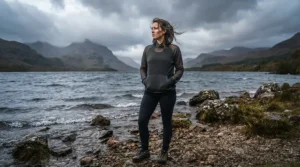
Hands are where most mesh jackets quietly fail, and Ben’s InvisiNet fixes that by including bug mittens. The package also adds elasticized cuffs and hem, a zippered neck for eating and drinking, and a front pocket that doubles as a stuff sack. Listings cite a weight of roughly 100–115 g (3.6–4 oz).
The standout design detail is reinforced nylon at the shoulders and waist, exactly where pack straps and hip belts chafe. That tells you who it’s built for: hikers carrying loaded packs, not people lounging in camp chairs. The brand also markets its netting on visibility, which matters if you hate that foggy film some cheap hoods leave over your eyes.
My read is that this jacket suits backpackers who’ve been bitten on the knuckles one time too many. The mittens are a bonus for anglers and photographers, though dexterity is limited, so you’ll be pulling them off to tie knots.
I couldn’t verify a deep pool of independent buyer reviews. The one roundup I found notes that the mesh holds some heat in direct sun, which fits any dense-weave jacket.
Pros:
- ✅ Mittens included for full hand coverage
- ✅ Reinforced shoulders and waist resist pack wear
- ✅ Pocket doubles as stuff sack
Cons:
- ❌ Mesh count isn’t published
- ❌ Limited independent review data found
Look for roughly C$35–C$55; check current price. Verdict: strong value for hikers.
3. Bug Baffler Insect Protective Mesh Shirt — snug, chemical-free everyday barrier
Bug Baffler takes a different approach from the baggy-jacket crowd. It’s a one-piece pullover with a seamless hood, a front-neck zipper for face access, a soft elastic hip band, and stretch-knit cuffs. The company’s hoods are black for maximum see-through clarity, while the body comes in olive green or white. The manufacturer touts unisex sizing generous enough that you shouldn’t need to size up.
The snug cuffs and hip band are the real selling point. A tidy seal around wrists and waist leaves fewer entry points than drawstrings, which can loosen as you move. The tighter silhouette also means less flapping in wind, which suits chores, dog walks and fishing.
My analysis: this is the pick for people who’ll wear a no-see-um mesh jacket regularly, not just a long weekend each summer. Production is in the USA, and it’s machine washable and air dried, which keeps maintenance easy. Note there are no pockets.
One roundup reports it runs warmer than loose mesh jackets because the denser fabric traps heat. It also says buyers who’ve purchased multiple Bug Baffler garments praise consistent quality, with fit settling in after a break-in period.
Pros:
- ✅ Seamless hood with room for a hat
- ✅ Snug cuffs and hip band seal reliably
- ✅ Easy machine-wash care
Cons:
- ❌ Warmer than looser mesh designs
- ❌ No pockets
Expect roughly C$50–C$75; check current price. Verdict: fair value if worn often.
4. The Original Bug Shirt — Canadian-made veteran for brutal blackfly country
Original Bug Shirt is the odd one out, and deliberately so. Rather than all-mesh, it uses densely woven polyester microfibre for the body and no-see-um mesh panels where the shirt hangs away from your skin, plus a mesh face screen. The Original Bug Shirt Company is a family business in Trout Creek, Ontario, and its design dates to 1989.
Here’s the logic. Mosquitoes can’t bite through the dense fabric, and the mesh panels provide cooling airflow and sightlines. The shirt folds into its own zippered pocket and clips to a belt, with ribbed adjustable cuffs and a drawstring waist. Fit is loose enough to wear over a fleece or light down layer, which helps on cold, buggy shoulder-season mornings.
I’d recommend it for canoe-trippers, hunters and anyone working in serious blackfly country, where the body fabric also adds wind protection.
Reviewer feedback is broadly positive. MEC’s listing showed a 4.2 average across roughly three dozen reviews at the time of research, and one retailer reviewer called the sizing oversized. GearJunkie’s long-term testers liked it but wished the lower side panels were solid fabric instead of mesh, since they had to repair some snags.
Pros:
- ✅ Made in Canada by a family business
- ✅ Solid fabric blocks bites and adds wind protection
- ✅ Folds into its own pocket
Cons:
- ❌ Sizing runs large, per several reviewers
- ❌ Highest price in this guide
Roughly C$90–C$130 at the time of research; check current price. Verdict: premium, but built to last.
5. LOOGU Mosquito Suit Set — budget jacket-and-pants combo
LOOGU sells a two-piece jacket and pants set in ultra-fine mesh, and that modularity is its appeal. Wear the jacket alone for a quick chore, or add pants when swarms thicken. Roundups praise the clear view through the hood mesh, a common weak spot on cheap suits where the netting leaves a blurry film.
Honest caveats come from those same roundups. Some wearers say the hood can slip during fast movement and that the elastic may be loose for smaller faces. One review also warns that very thin mesh pressed directly against skin may not stop bites. Descriptions of the hood design vary between sources, so check the current listing.
Analysis: the practical fix for the skin-contact issue is a thin base layer, which also helps with sweat. The set is a solid choice for gardeners, hunters and anglers who want legs covered too. Because the mesh count isn’t published in the listings I found, I’d skip it if midges in particular are your enemy.
Review data is limited to roundup commentary, so treat the praise as provisional.
Pros:
- ✅ Jacket and pants set offers flexible coverage
- ✅ Hood mesh keeps vision clear
- ✅ Budget-friendly full-body option
Cons:
- ❌ Hood may slip or loosen
- ❌ Thin mesh can allow bites against skin
Expect roughly C$30–C$60; check current price. Verdict: good value for general bug duty.
6. tupi Mosquito Suit Set — packable camping kit with UV protection
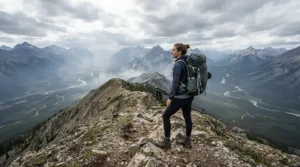
tupi is one of the few suits here that publishes a mesh figure: about 620 holes per square inch (roughly 96 per cm²). It also advertises UV protection and ships with a carry bag, making it an easy add to a camping kit.
Here’s the honest reading. Buying guides suggest no-see-ums often need a weave above about 600 holes per square inch, so 620 sits right at the edge. It should handle mosquitoes and blackflies comfortably, but the very smallest midges are the test. In exchange, a slightly more open weave generally breathes better, which matters on hot days.
I’d match this to car campers and anglers dealing mainly with mosquitoes and the odd midge, not saltmarsh-style no-see-um swarms. The carry bag helps keep a fine mesh from snagging on other gear, a real consideration when you’re stuffing a pack.
I found no verified customer reviews, so there’s no sentiment to report here. I’d rather say that than make something up.
Pros:
- ✅ Published mesh count of about 620 holes per square inch
- ✅ Carry bag keeps mesh protected
- ✅ UV protection claimed
Cons:
- ❌ Mesh is borderline for the tiniest midges
- ❌ Little verified review data
Expect roughly C$30–C$60; check current price. Verdict: decent value if mosquitoes are your main foe.
7. Aventik Mosquito Jacket — for people chasing the finest weave
Aventik positions itself at the fine end of the market. Its listing describes super-fine, high-density polyester mesh, with the matching pants stated at 2,000 holes per square inch (about 310 per cm²). The hat cover gets elasticized drawstrings so the brim doesn’t flop into your sightline when you lean over, a thoughtful touch for anglers. A reflective-stripe version exists too.
The catch is fit: it’s listed as one-size-fits-all for S to L, which may disappoint taller or broader wearers. And since finer mesh restricts airflow, expect a warmer experience than looser weaves, even with the airy design the seller touts.
Analysis: this suits fishermen, hunters and photographers working marsh edges at dusk, where no-see-um pressure is highest. The reflective option is a bonus for early-morning or evening roadside work. Because the mesh claims come from a seller listing, I’d weigh them as marketing until independent buyers confirm them.
I couldn’t verify a meaningful set of buyer reviews for this model, so there’s no sentiment summary to offer.
Pros:
- ✅ Very fine stated mesh density
- ✅ Hat cover keeps its brim out of your eyes
- ✅ Reflective stripe option available
Cons:
- ❌ One size covers only S to L
- ❌ Fine weave limits airflow
Expect roughly C$40–C$70; check current price. Verdict: worthwhile if midges are your main problem.
Mesh Count Comparisons: What Holes Per Square Inch Really Tell You
Mesh count comparisons are the heart of any no-see-um mesh jacket decision, but the number is trickier than it looks. Holes per square inch is a seller-reported figure with no obvious standard test behind it. Roundup guides put regular mosquito netting near 300 holes per square inch and say no-see-um defence usually needs 600 or more. Biting midges can slip through ordinary window screening, as the University of Florida’s IFAS biting midge fact sheet illustrates with a side-by-side size comparison.
| Jacket | Stated holes/in² | Approx. holes/cm² | Airflow Expectation | Best For |
|---|---|---|---|---|
| tupi Mosquito Suit Set | About 620 | About 96 | Better | Mosquito-heavy camps |
| Coghlan’s Bug Jacket | 1,150–1,600 | About 178–248 | Moderate | All-round budget use |
| Aventik Mosquito Jacket | Up to about 2,000 | About 310 | Lower | Midge-heavy marsh edges |
| Ben’s InvisiNet, Bug Baffler, Original Bug Shirt, LOOGU | Not published | n/a | Varies | Judge by fit and design |
Higher counts promise tighter protection but lower airflow, and fit matters at least as much as the number. A baggy 1,150-hole jacket held away from your skin will beat a snug 2,000-hole garment that presses on your shoulders, since insects can bite through netting that touches skin. Choose the highest count you can tolerate in your climate, then prioritize cut and seals. And always check whether a seller states a number at all.
Ventilation vs Protection Trade-Off: Finding Your Sweet Spot
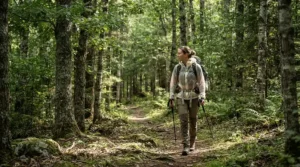
The ventilation vs protection trade-off is physics: every hole you close to stop a midge also slows a breeze. At 25 °C and humid, a dense mesh can feel like wearing a damp tea towel. At 12 °C at dusk, that same density feels cosy. So your climate and activity decide the right balance, not the spec sheet.
Here’s how the options tend to fall. Loose, open-weave suits like tupi breathe best but give less margin against tiny midges. Finer-weave jackets such as Aventik and Coghlan’s trade some airflow for tighter blocking. Hybrid designs like Original Bug Shirt use solid fabric where bugs bite and mesh where heat builds, an elegant compromise for mixed conditions.
Three tricks help regardless of model. First, wear a thin, moisture-wicking layer underneath so sweat doesn’t plaster mesh to your skin. Second, open the face zipper when you’re stationary and bugs are quiet, and zip up at dusk. Third, keep the jacket in the shade, since reviewers note that dark, dense mesh holds heat in direct sun.
Decision rule: if your main enemy is mosquitoes and you’re in hot weather, favour breathability. If it’s midges, accept the warmth. A hot, sweaty hour beats a night of itching, and you can always step into a breeze.
Ultra-Fine Mesh Bug Jacket vs Repellents, Headnets and Treated Clothing
An ultra-fine mesh bug jacket isn’t the only answer to biting insects. Health Canada’s personal insect repellent guidance notes that repellents must be approved before sale, and that permethrin-treated clothing is available in Canada for mosquito and tick protection. It also stresses covering exposed skin with clothing wherever possible.
| Option | Strength | Weakness | Best For |
|---|---|---|---|
| Mesh jacket | No chemicals; never washes off | Warm; sealing matters | Heavy swarms; Coghlan’s Bug Jacket for budget |
| Approved repellent spray | Light, flexible | Reapplication; skin and face limits | Short outings |
| Permethrin-treated clothing | Works through normal cloth | Wears off with washing; adults only | Travel and tick country |
| Headnet only | Protects face cheaply | Leaves torso exposed | Casual hikers |
Written out, the choice looks like this. Repellents are lighter and more flexible, but they need reapplying and have rules about use near faces. Treated clothing helps against mosquitoes and ticks without a mesh barrier. A Bug Baffler or other mesh jacket wins when conditions are brutal, when you’d rather not use chemicals, or when midges are the issue. Layering is common: mesh jacket plus a repellent on exposed hands.
For many Canadians, the best answer is a combination. Use mesh for the evening hours and repellent for midday chores. Each covers the other’s gap.
How to Choose a No-See-Um Mesh Jacket
- Match the mesh to your bug. Mosquitoes and blackflies are stopped by mid-range mesh, but midges often need 600+ holes per square inch. Prefer published numbers over vague “ultra-fine” claims.
- Check the fit and cut. Loose cuts hold mesh away from skin, which stops bites-through. Avoid garments that press tightly across shoulders.
- Inspect the seals. Elastic cuffs, a drawstring hem and a hood that works with a hat matter more than fabric alone. Gaps at the wrists and waist are where bugs sneak in.
- Prioritize hood vision. Look for black mesh at the face, which reduces glare and improves see-through clarity, as Bug Baffler does.
- Consider coverage extras. Mitts like those from Ben’s InvisiNet or matching pants can finish the job. Hands and ankles are common weak points.
- Balance warmth and weight. Check packed size and weight, around 100–115 g for lightweight models, and think about the temperatures you’ll wear it in.
- Weigh the budget. Under C$35 buys functional protection; paying more buys finishing, durability, or Canadian manufacturing.
✨ Don’t Miss These Exclusive Deals!
🔍 Take your bug-season gear to the next level with these carefully selected jackets. Click on any highlighted item to check current pricing and availability. These picks will help you create comfortable, bite-free evenings your whole crew will love! 🏕️
Midge-Proof Jacket Review: What Buyers and Testers Keep Saying
Since a proper midge-proof jacket review needs real feedback, here are themes that recurred across the retailer reviews, roundups and field reports I found. They’re aggregated impressions, not my own testing.
Effectiveness gets the most praise. Buyers say the bugs simply stay out, and one allergic reviewer was relieved to dodge repellents entirely. Heat is the most common complaint, especially for dense or dark mesh in direct sun. Snagging also comes up: finer mesh can catch on branches and zippers, and GearJunkie’s testers repaired mesh sides on their Original Bug Shirt garments.
Sizing divides opinions. Reviewers called Original Bug Shirt large, while Coghlan’s sells by weight and Bug Baffler promises generous unisex fit. Glare shows up with light-coloured hoods, and a Trailspace reviewer noted slight glare at certain sun angles with a Bug Baffler headnet in the same mesh.
Spec sheets won’t tell you that most owners treat hand and ankle sealing as the real test. A midge-proof jacket review that skips those details misses the point: even great mesh fails if the gaps stay open.
Take-home: most reviewers are satisfied when they match the jacket to the conditions and accept some warmth.
How to Use a No-See-Um Mesh Jacket: Setup, Fit and Your First 30 Days
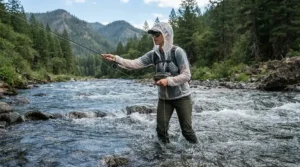
Getting the most from a mesh jacket is a skill, and listings rarely teach it. Start before the bugs arrive: try the jacket on at home over the base layer you’ll actually wear, and adjust the drawstrings until the cuffs and hem sit snug without cutting circulation.
First-use tips. Put the jacket on before dusk, not after the first bite. Tuck the hem into a waist belt or pack strap if it rides up. Practise zipping the face flap so you can do it one-handed.
Maintenance schedule. Hand wash gently in lukewarm water with mild soap after every few trips, as one buyer did with Woolite, and air dry. Bug Baffler is machine washable and air-dried, so follow its label. Avoid dryers, which can warp elastic and stress fine mesh.
Common mistakes in the first 30 days.
- Letting mesh press against skin, where insects can bite through it.
- Forgetting to seal ankles, so chiggers and ticks sneak up from below.
- Snagging the mesh on thorns: pause and unhook rather than yank.
- Storing it damp, which can cause odours.
Small repairs are possible too. A dab of fabric glue or a few stitches on a small tear extends life. Treat the jacket as a long-term investment, and a C$30 model can serve you for several seasons.
No-See-Um Proof Clothing for Camping: Three Real-World Scenarios
The right no-see-um proof clothing for camping depends on who you are and where you sleep. Here are three profiles with matched picks.
The canoe-tripper. A group paddles into the bush for five days, with portages and cool mornings. They need layering, wind protection and durability. The Original Bug Shirt suits them: the solid body fabric adds wind protection, and it packs into its own pocket. Budget: C$90–C$130. Frequency: several trips a year.
The family car camper. A parent camps by a lake with two kids three weekends each summer. Budget is tight and gear should be easy. Coghlan’s Bug Jacket and a tupi Mosquito Suit Set cover adults affordably, while Original Bug Shirt Company offers a child-sized version for kids. Total outlay: modest.
The dusk angler or hunter. Someone spends evenings at a marsh edge, where midges peak. They want fine mesh and a hat-compatible hood. Aventik Mosquito Jacket fits, ideally with a thin base layer. Budget: C$40–C$70. Frequency: weekly in season.
Notice the pattern: environment drives the choice more than price. Wet, sheltered ground with dusk activity rewards finer mesh, while breezy, open sites reward breathability. Before you buy, ask where you’ll stand and when you’ll wear it.
Problem → Solution Guide: Fixing Common No-See-Um Mesh Jacket Annoyances
Problem: blurry vision through the hood. Choose black face mesh, since it reduces glare. Bug Baffler uses black hoods for this reason. Wearing a brimmed hat holds the mesh away from your eyes.
Problem: overheating. Open the face zipper when bugs are quiet, wear a wicking base layer, and rest in shade. Consider tupi if airflow outranks maximum blocking.
Problem: bites at the wrists, waist or ankles. Cinch the cuffs, tuck the hem under a pack belt, and add pants like the LOOGU set or bug pants. A repellent approved by Health Canada on exposed skin fills remaining gaps.
Problem: eating and drinking. Use the face zipper, or follow the trick GearJunkie’s testers describe: pull your arms inside the body of the Original Bug Shirt and eat from within.
Problem: snags and small holes. Brush carefully, unhook rather than pull, and keep the jacket in its pouch. Patch tears quickly, since bugs find openings fast.
Solving these five turns an uncomfortable garment into one you’ll actually wear.
Safety, Regulations and Health Canada Guidance for Bug-Proof Clothing
Mesh jackets are simple, but a few safety points deserve attention. The Public Health Agency of Canada’s insect bite prevention guidance advises avoiding contact with mosquito netting, since you can be bitten through it. That reinforces the fit advice above: loose cut, mesh off the skin.
The same guidance recommends permethrin-treated clothing for adults only, daily tick checks on people, pets and gear, and washing clothing after outdoor activity. Pair mesh with tick checks, because some tick bites can spread serious disease, and no mesh jacket replaces the check.
On fire safety, Coghlan’s is advertised as flame retardant. Polyester mesh can still melt, so keep any jacket away from campfire sparks and stoves. Never treat “flame retardant” as fireproof.
For kids, use garments sized for them rather than adult jackets pinned up. Original Bug Shirt Company lists a polyester version for infants to youths. Supervise young children, and use netting over strollers and playpens as the federal guidance suggests.
Finally, check your province’s guidance on ticks and mosquito-borne illnesses before heading out.

FAQ
❓ Will a no-see-um mesh jacket stop mosquitoes and blackflies too?
❓ How much does a no-see-um mesh jacket cost in Canada?
❓ Can I wear a mesh bug jacket over a fleece?
❓ Is a no-see-um mesh jacket too hot for summer?
❓ Where can I buy a no-see-um mesh jacket for camping in Canada?
Conclusion
The best no-see-um mesh jacket is the one that fits your bugs, your climate and your habits. Coghlan’s Bug Jacket is the low-risk entry point for casual campers. Ben’s InvisiNet Bug Jacket & Mittens covers hands for hikers. Bug Baffler Insect Protective Mesh Shirt offers a snug, chemical-free everyday layer, and The Original Bug Shirt is the Canadian-made premium pick for heavy blackfly country.
For modular coverage, LOOGU Mosquito Suit Set and tupi Mosquito Suit Set add pants affordably, with tupi also giving a published mesh figure, while Aventik Mosquito Jacket targets the finest-weave seekers. Remember the key lessons: higher mesh counts give tighter blocking but less airflow, fit and seals matter as much as numbers, and a jacket works only when worn before the bugs arrive.
Match the jacket to where you’ll stand at dusk, pack it every trip, and you’ll spend evenings enjoying the fire instead of fighting the midges. 🔥
✨ Ready to Reclaim Your Evenings!
🔍 Browse these carefully selected jackets and click any highlighted name to check current pricing and availability. Your next bite-free campfire is one click away! 🏕️
Recommended for You
- Blackfly Protection Jacket: 7 Best Picks For Canada (2026)
- Mosquito Jacket For Camping: 7 Best Bite-Proof Picks (2026)
- Mosquito Head Net Guide 2026: 7 Best Picks That Actually Work
Disclaimer: This article contains affiliate links. As an Amazon Associate, I earn from qualifying purchases. If you purchase products through these links, we may earn a small commission at no additional cost to you.
✨ Found this helpful? Share it with your friends! 💬🤗
