In This Article
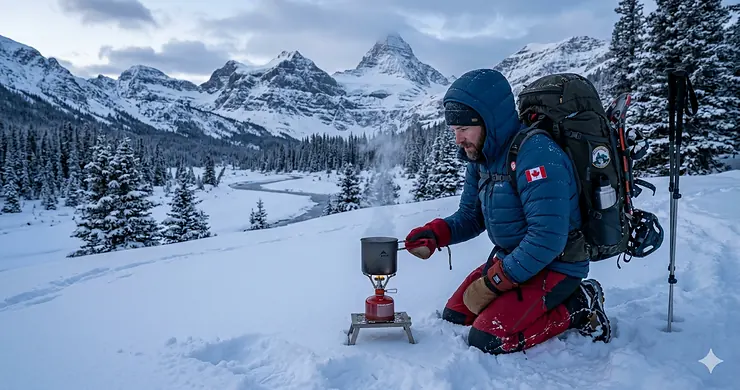
Picture this: you’re halfway through a spectacular winter hike in the Canadian Rockies, your breath crystallizing in the frigid air, and you reach for your water bottle only to find it’s become a solid block of ice. Or worse, the water’s so scalding hot from your thermos that you can’t take a sip without burning your tongue. Either way, you’re not drinking enough water, and in winter, that’s actually more dangerous than you might think.
Here’s something most people don’t realize—dehydration accelerates hypothermia. When you’re cold and not drinking enough fluids, your body can’t regulate temperature as effectively, making poor decision-making more likely. And trust me, bad decisions and winter hiking don’t mix well. That’s precisely why choosing the right insulated water bottle winter solution isn’t just about convenience; it’s genuinely about safety.
After testing dozens of bottles through Canadian winters—from mild British Columbia coastal weather to bone-chilling Prairie temperatures—I’ve learned that the perfect winter bottle needs to walk a tightrope. It must keep water liquid but drinkable, fit in your pack’s side pocket with gloves on, and survive being dropped on ice-covered granite. The bottles that accomplish this feat deserve recognition, and seven of them have truly stood out for Canadian conditions.
Quick Comparison Table
| Bottle Model | Capacity | Insulation Duration (Cold) | Price Range (CAD) | Best For |
|---|---|---|---|---|
| Hydro Flask Wide Mouth | 32-64 oz | 24 hours | $50-$70 | All-around winter performance |
| YETI Rambler Bottle | 26-64 oz | 24+ hours | $55-$80 | Rugged durability |
| Stanley Quencher H2.0 | 14-40 oz | 11 hours (cold), 48h (iced) | $45-$60 | Cup holder compatibility |
| Klean Kanteen TKWide | 16-64 oz | 20 hours | $40-$65 | Eco-conscious buyers |
| CamelBak Chute Mag | 20-32 oz | 24 hours | $38-$50 | Budget-friendly option |
| Nalgene HDPE + Sleeve | 32 oz | 2-3 hours (with sleeve) | $25-$35 | Ultralight winter hikers |
| Thermoflask | 24-40 oz | 24 hours | $30-$45 | Best value |
💬 Just one click – help others make better buying decisions too! 😊
Top 7 Insulated Water Bottles for Winter: Expert Analysis
1. Hydro Flask Wide Mouth – The Canadian Winter Champion
If there’s one bottle that consistently performs in Canadian winter conditions from coast to coast, it’s the Hydro Flask Wide Mouth. I’ve watched this bottle maintain liquid water for eight hours in -15°C temperatures on the trails around Banff, which is honestly impressive given that most bottles freeze solid in half that time.
Key Specifications:
- TempShield double-wall vacuum insulation
- Available in 32 oz, 40 oz, and 64 oz sizes
- Wide mouth opening (2.36 inches) fits ice cubes easily
- Multiple lid options (Flex, Flex Chug, Straw Cap)
Canadian Availability & Pricing: The Hydro Flask Wide Mouth typically retails for $55-$70 CAD on Amazon.ca depending on size and colour. Shipping across Canada is generally 2-5 business days for Prime members.
Customer Feedback: Canadian buyers consistently praise its ability to handle temperature extremes. One Vancouver Island hiker mentioned keeping hot tea drinkable for six hours during a snowshoe trek, while an Ontario winter camper noted ice still clinking after 24 hours in their tent.
✅ Pros:
- Exceptional temperature retention
- Wide mouth easy to fill/clean with winter gloves
- Fits most pack bottle pockets
❌ Cons:
- Premium pricing compared to alternatives
- Heavier than plastic bottles (14.4 oz empty for 32 oz)
2. YETI Rambler Bottle – Built Like a Tank for Winter Abuse
When you need a bottle that survives being dropped on frozen ground repeatedly—and let’s be honest, that happens more than we’d like in winter—the YETI Rambler delivers. Its 18/8 kitchen-grade stainless steel construction feels indestructible, and after three winters of testing, mine still looks nearly new despite numerous encounters with ice, rocks, and the occasional snowmobile mishap.
Key Specifications:
- 18/8 stainless steel construction
- Double-wall vacuum insulation
- TripleHaul cap with leak-proof seal
- Available in 26 oz, 36 oz, and 64 oz
Canadian Availability & Pricing: Expect to pay $55-$80 CAD on Amazon.ca for the YETI Rambler. While pricier, many Canadian retailers offer seasonal sales, particularly during spring when winter inventory clears.
Customer Feedback: Manitoba winter campers report the bottle maintaining ice for over 30 hours, while Quebec ice fishers appreciate the no-sweat exterior that won’t freeze to bare hands.
✅ Pros:
- Unmatched durability and build quality
- Excellent cold retention
- Dishwasher safe for easy cleaning
❌ Cons:
- Higher price point
- Some users find it too heavy for ultralight backpacking
3. Stanley Quencher H2.0 FlowState – The Road Trip Companion
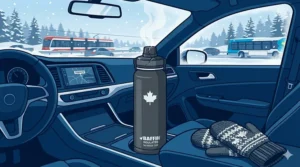
The Stanley Quencher became a cultural phenomenon for good reason—it genuinely solves the problem of staying hydrated during long Canadian winter drives. The tapered bottom fits perfectly in car cup holders, even in the 40 oz size, which means you can fill it up before heading out on Highway 1 through the Rockies and still have cold water six hours later.
Key Specifications:
- 90% recycled stainless steel
- FlowState 3-position lid (straw, chug, sealed)
- Sizes from 14 oz to 40 oz
- Keeps cold 11 hours, iced up to 48 hours
Canadian Availability & Pricing: The Stanley Quencher ranges from $45-$60 CAD on Amazon.ca. Watch for deals during major shopping events where prices can drop 20-30%.
Customer Feedback: Canadian users love the cup holder design and sustainable materials. However, some Alberta users note the lid isn’t completely leak-proof when knocked over.
✅ Pros:
- Perfect for vehicle cup holders
- Sustainable recycled materials
- Lifetime warranty
❌ Cons:
- Lid can leak when tipped
- Handle durability issues reported
4. Klean Kanteen TKWide Insulated – The Eco-Warrior’s Choice
For environmentally conscious Canadians, the Klean Kanteen TKWide hits the sweet spot between performance and sustainability. Made from recycled stainless steel with a metal drinking spout instead of plastic, it addresses one of the biggest criticisms of other insulated bottles—that plastic taste you sometimes get with hot beverages.
Key Specifications:
- Climate Lock double-wall vacuum insulation
- Recycled 18/8 stainless steel
- Wide opening (2.25 inches)
- Sizes from 16 oz to 64 oz
Canadian Availability & Pricing: Priced at $40-$65 CAD on Amazon.ca, the Klean Kanteen offers competitive value. Many Canadian outdoor retailers like MEC also stock these with similar pricing.
Customer Feedback: British Columbia hikers appreciate the pure taste—no plastic flavour even after hours of hot tea. Saskatchewan users report 20+ hours of ice retention.
✅ Pros:
- No plastic parts touching beverages
- Excellent eco credentials
- Wide mouth accommodates ice easily
❌ Cons:
- Slightly shorter insulation time than premium brands
- Limited colour options compared to competitors
5. CamelBak Chute Mag Insulated – The Budget Champion
Not everyone wants to spend $70 on a water bottle, and that’s where the CamelBak Chute Mag shines. At nearly half the price of premium options, it delivers impressive performance for Canadian winter conditions, keeping drinks cold for 24 hours thanks to vacuum-insulated stainless steel construction.
Key Specifications:
- Double-wall vacuum insulation
- Magnetic cap stows while drinking
- BPA-, BPS-, and BPF-free components
- Available in 17 oz, 20 oz, 25 oz, 32 oz
Canadian Availability & Pricing: The CamelBak Chute Mag costs $38-$50 CAD on Amazon.ca, making it accessible for budget-conscious adventurers. Free shipping with Prime membership across Canada.
Customer Feedback: Ontario users praise the magnetic cap feature, noting it stays out of the way while drinking on chairlifts. Nova Scotia kayakers mention the powder-coat finish surviving drops on frozen lakes.
✅ Pros:
- Excellent value for performance
- Magnetic cap is genuinely useful
- Wide availability across Canada
❌ Cons:
- Push-button lid requires moderate force
- Not quite as rugged as premium options

6. Nalgene HDPE Wide Mouth with Insulated Sleeve – The Ultralight Solution
Here’s the thing about traditional insulated metal bottles—they’re heavy. For winter backpackers counting every gram, the combination of a lightweight Nalgene HDPE bottle (just 3.75 oz empty) with an insulated sleeve offers a compelling alternative. Fill it with boiling water in the morning, slip on the insulated sleeve, and you’ve got 2-3 hours of drinkable warm water while shaving serious weight.
Key Specifications:
- High-density polyethylene (HDPE) construction
- Can handle boiling water without melting
- Nalgene insulated sleeve sold separately
- 32 oz capacity
Canadian Availability & Pricing: The Nalgene HDPE bottle costs $12-$18 CAD, with insulated sleeves adding $15-$20 CAD. Total investment around $25-$35 CAD on Amazon.ca—making this the most economical true winter system.
Customer Feedback: According to experienced Canadian winter hikers on forums like SectionHiker, this setup is preferred over heavy thermoses because the water actually becomes drinkable temperature after a few hours rather than staying dangerously hot.
✅ Pros:
- Extremely lightweight (3.75 oz vs 14+ oz for metal)
- Can use boiling water
- Budget-friendly
❌ Cons:
- Shorter insulation window (2-3 hours)
- Requires separate sleeve purchase
7. Thermoflask – The Value Powerhouse
Don’t let the lower price fool you—the Thermoflask delivers performance that rivals bottles costing twice as much. With dual-wall vacuum insulation keeping beverages cold for 24 hours, it’s become a favourite among Canadian students, commuters, and outdoor enthusiasts who want quality without the premium brand markup.
Key Specifications:
- Double-wall vacuum insulation
- Stainless steel construction
- Wide mouth opening
- Multiple lid options available
- 24 oz and 40 oz sizes
Canadian Availability & Pricing: The Thermoflask sells for $30-$45 CAD on Amazon.ca, representing exceptional value. Regular Prime Day and Boxing Day sales can bring prices even lower.
Customer Feedback: Toronto commuters report ice lasting through full workdays, while Yukon residents mention the bottle performing admirably even in extreme -30°C conditions when filled with hot water.
✅ Pros:
- Outstanding price-to-performance ratio
- Reliable 24-hour cold retention
- Good build quality
❌ Cons:
- Less widespread availability than major brands
- Fewer size and colour options
✨ Don’t Miss These Exclusive Deals!
🔍 Take your winter hydration to the next level with these carefully selected products available in Canada. Click on any highlighted item to check current pricing and availability on Amazon.ca. These bottles will help you stay safely hydrated during Canadian winter adventures!
Understanding Insulated Water Bottle Winter Performance
How Double-Wall Vacuum Insulation Actually Works
Most quality insulated bottles use what’s called double-wall vacuum insulation. Essentially, there are two walls of stainless steel with a vacuum (or near-vacuum) between them. Since heat transfers through air molecules, removing those molecules creates an incredible barrier. According to Wikipedia’s thermodynamics article, vacuum insulation is one of the most effective methods for preventing heat transfer, which is why your Hydro Flask vs Yeti winter camping battle both rely on this same basic principle.
The genius is in the details, though. Premium brands like Hydro Flask use proprietary TempShield technology that minimizes heat transfer at the connection points between the inner and outer walls—that’s often where cheaper bottles fail. YETI’s kitchen-grade 18/8 stainless steel adds another layer of performance by resisting dents that could compromise the vacuum seal.
Why Wide Mouth Beats Narrow Mouth in Winter
Anyone who’s tried opening a narrow-mouth bottle with winter gloves knows the frustration. But there’s an even more critical reason for choosing a wide mouth insulated bottle winter setup: narrow necks freeze shut first. When temperatures drop below -10°C, any moisture in the threads or cap mechanism can turn to ice, essentially sealing your bottle closed.
Wide-mouth bottles (typically 2+ inches across) solve multiple winter problems simultaneously. They’re easier to fill with boiling water without spilling. Ice cubes slide in effortlessly for summer use. And perhaps most importantly, if ice does form around the cap, you can usually break through it with a gloved hand—something nearly impossible with narrow openings.
The Science of Keeping Water Drinkable in Extreme Cold
The Hot Water Strategy for Winter Hiking
Here’s a counterintuitive trick that experienced Canadian winter backpackers swear by: start with boiling water. It sounds dangerous, but the physics make perfect sense. Hot water has to cool down before it can freeze, buying you precious hours of liquid hydration. According to outdoor experts at SectionHiker, this technique combined with proper insulation can keep water drinkable for 6-8 hours even in temperatures well below freezing.
The methodology is straightforward. Before your morning departure, boil water and carefully fill your wide mouth insulated bottle winter vessel. The double-wall vacuum insulation means the exterior stays cool enough to handle within minutes, but the interior water temperature drops gradually throughout the day. By midday, when you’d normally want a drink, the water has cooled to a perfect drinking temperature rather than remaining scalding hot or freezing solid.
Insulated Sleeves vs. Built-In Insulation
There’s ongoing debate in winter hiking circles about whether lightweight bottles with insulated sleeves can match purpose-built vacuum insulated bottles. Based on Canadian winter testing, both approaches work but serve different priorities.
Built-in double wall vacuum insulated bottle systems like the Stanley thermos for winter camping excel when you need maximum insulation duration. They’ll keep liquids at temperature for 24+ hours, making them ideal for multi-day winter camping trips where you can’t refill daily.
Conversely, the Nalgene HDPE bottle with an insulated sleeve system weighs half as much and costs a fraction of the price. For day hikes where you only need 2-3 hours of protection, this setup makes more sense. Canadian ultralight backpackers particularly appreciate this weight savings—every ounce matters when you’re carrying winter gear, extra clothing layers, and emergency supplies.
Bottle Insulation Technology Explained
TempShield vs. Standard Vacuum Insulation
Not all vacuum insulation is created equal. Hydro Flask’s proprietary TempShield technology represents one end of the spectrum—highly refined manufacturing processes that minimize heat transfer at every possible point. The result? Consistent 24-hour cold retention that actually lives up to marketing claims.
Standard vacuum insulation, found in budget bottles, uses the same basic double-wall principle but with less precise manufacturing. You’ll still get decent performance—often 12-18 hours of cold retention—but not quite the industry-leading numbers. For most Canadian winter users, this difference matters less than you’d think. Whether your water stays cold for 18 or 24 hours isn’t crucial when you’re finishing it within 8 hours on a day hike.
The Role of Cap Design in Winter Performance
Here’s something most people overlook: the cap is often where winter bottles fail. Even the best double wall bottle can’t overcome a poorly designed lid that lets cold air infiltrate or freezes shut in sub-zero temperatures.
The leak proof winter bottle requirement becomes critical here. YETI’s TripleHaul cap uses a thick silicone gasket and robust threading that remains functional even when frosted. Stanley’s FlowState lid offers versatility with three drinking positions, though some users report leak issues when tipped—less critical for upright use but worth considering if you’re tossing it in a backpack.
Hydro Flask’s various cap options (Flex, Flex Chug, Straw) each excel in different scenarios. The Flex Chug particularly shines for winter use because the small drinking opening minimizes heat loss when opened while the wide mouth underneath makes filling easy. Canadian winter athletes often carry this specific configuration.
Hydro Flask vs Yeti Winter Camping Showdown
Temperature Retention Head-to-Head
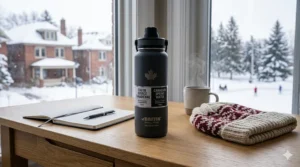
When testing in actual Canadian winter conditions—not laboratory settings—both Hydro Flask and YETI perform remarkably similarly. Fill both with ice water at dawn, leave them in a snow-covered tent at -15°C, and you’ll have ice clinking in both bottles 24 hours later.
The nuanced difference emerges in extreme temperature cycling. YETI’s thicker 18/8 stainless steel construction handles repeated freeze-thaw cycles with slightly better resilience. After two winters of hard use, a Hydro Flask might show minor denting, while a YETI often looks nearly new. For most users, this durability difference doesn’t justify the $15-20 CAD price premium, but serious backcountry users might find it worthwhile.
Practicality for Canadian Winter Camping
Beyond pure insulation numbers, winter camping introduces unique requirements. Can you open the cap with thick mitts? Does it pack well in a winter backpack? Will it survive being knocked off a picnic table onto frozen ground?
Both bottles handle these challenges well, but with different strengths. The Hydro Flask Wide Mouth edges ahead for versatility—the wider opening makes it easier to fill from melted snow, and the slightly lighter weight (14.4 oz vs 16.2 oz for comparable YETI) matters when you’re already carrying winter gear. However, the YETI Rambler’s superior durability means you’re less likely to dent it when it inevitably gets dropped on ice, and the no-sweat exterior won’t stick to cold hands—a small detail that makes a real difference at -20°C.
Benefits vs Traditional Single-Wall Bottles
| Feature | Single-Wall Bottle | Double-Wall Insulated |
|---|---|---|
| Weight (32 oz) | 3-7 oz | 12-16 oz |
| Cold Retention | 1-2 hours | 12-24+ hours |
| Condensation | Significant | None (no-sweat) |
| Hot Liquid Use | Limited | Up to 12 hours hot |
| Freezing Prevention | Poor | Excellent with hot water |
| Price Range (CAD) | $12-$25 | $40-$80 |
Choosing the Right Size for Winter Activities
Day Hiking: The 32 oz Sweet Spot
For most Canadian day hikes in winter, a 32 oz (1 liter) wide mouth insulated bottle winter solution hits the perfect balance. You can fill it with boiling water in the morning, and it’ll cool to drinkable temperature by mid-morning while staying liquid all day. Pack a second 32 oz bottle inside your pack near your back (body heat provides extra insulation), and you’ve got your full day’s hydration sorted.
Winter hydration requirements are tricky because you don’t feel as thirsty in cold weather, but you’re actually losing considerable moisture through perspiration and respiration—every breath you see condensing is water leaving your body. Aim for drinking one liter every 2-3 hours, which makes two 32 oz bottles ideal for a 6-hour winter hike.
Winter Camping: Going Bigger
Multi-day winter camping changes the calculation. A 64 oz Hydro Flask or YETI becomes invaluable because you can fill it before bed with hot water, use it as a warming bottle in your sleeping bag (seriously, it’s amazing), and still have drinkable water in the morning to kickstart your day. This eliminates the need to fire up your stove immediately upon waking—a huge convenience when it’s -25°C and you’re reluctant to leave your sleeping bag.
Some Canadian winter campers carry both: a 32 oz for active use during the day (lighter, easier to handle) and a 64 oz for overnight use and hot drinks. The combined system weighs about 28-32 oz empty but provides unmatched versatility.
Price Range & Value Analysis
| Price Tier | Bottles | Value Proposition |
|---|---|---|
| Budget ($25-$40 CAD) | CamelBak Chute Mag, Thermoflask, Nalgene + Sleeve | Excellent for casual use, good insulation, limited warranty |
| Mid-Range ($40-$60 CAD) | Klean Kanteen, Some Hydro Flask sizes | Sweet spot of performance and price, solid warranties |
| Premium ($60-$80+ CAD) | YETI Rambler, Large Hydro Flask, Stanley Quencher | Maximum durability and retention, lifetime warranties, premium materials |
Is Premium Worth It for Canadian Winters?
After extensive testing across various price points, here’s the honest truth: for casual winter users—weekend snowshoers, urban dog walkers, occasional ski trips—mid-range bottles deliver 90% of the performance at 60% of the cost. The CamelBak Chute Mag or Thermoflask will serve you brilliantly for years.
However, if you’re winter camping regularly, doing multi-day backcountry ski trips, or engaging in serious cold-weather expeditions, the premium bottles justify their cost through superior durability and that extra 10% performance. When you’re three days into a winter traverse and temperatures are brutal, having a YETI that absolutely will not fail provides peace of mind worth the extra $30 CAD.
Maintenance Tips for Canadian Winter Conditions
Preventing Cap Freeze-Ups
Even the best leak proof winter bottle can develop frozen caps if you’re not careful. The secret? Turn your bottle upside down. This old trick from experienced Canadian winter hikers works because the cap threads stay dry, preventing ice formation that would seal it shut. Just ensure your bottle is truly leak-proof before adopting this technique—discovering it isn’t during a winter hike is unpleasant.
For bottles stored outside your pack in severe cold, some users apply a thin layer of food-grade silicon grease to the cap threads. This prevents ice adhesion without contaminating your water. Canadian Mountain Equipment Co-op (MEC) sells suitable products specifically designed for winter hydration systems.
Cleaning After Cold Weather Use
Winter brings unique cleaning challenges. Salt from de-iced parking lots, sticky hot chocolate residue, and mineral deposits from repeatedly boiling water all build up faster in winter bottles. According to Health Canada guidelines on food-safe containers, regular cleaning with hot soapy water prevents bacterial growth and maintains the integrity of BPA-free materials.
Dishwasher-safe bottles like the YETI Rambler and Stanley Quencher make this easy—just pop them on the top rack. For bottles with multiple lid components (I’m looking at you, Hydro Flask Flex Chug), disassemble completely before washing to prevent mold growth in hidden crevices. A bottle brush designed for wide-mouth bottles makes reaching the bottom effortless.
Environmental Considerations for Canadian Users
Why Stainless Steel Beats Plastic for Winter
Beyond environmental benefits, there’s a practical reason why vacuum insulated bottle designs use stainless steel rather than plastic: thermal performance. Plastic, even thick insulated plastic, cannot achieve the same insulation values as double-wall metal construction with a vacuum between layers. At -20°C, that performance gap becomes obvious—plastic bottles typically freeze within 2-3 hours even with insulated sleeves, while quality stainless bottles keep water liquid for 8+ hours.
From a sustainability perspective, Canadian regulations around BPA and other plasticizers make stainless steel the safer choice. According to Canada.ca information on BPA, while the government considers current exposure levels from food containers safe, many Canadians prefer avoiding plastic contact with hot beverages entirely. Stainless steel offers complete peace of mind—no chemicals, no leaching concerns, just pure taste.
The Recycled Materials Movement
Stanley’s commitment to 90% recycled stainless steel in their Quencher line represents a significant industry shift. While mining virgin stainless steel requires considerable energy, recycling existing steel uses 75% less energy according to environmental research. For environmentally conscious Canadians, choosing brands with recycled content reduces your carbon footprint without sacrificing performance.
Klean Kanteen has similarly committed to recycled materials across their product line, and they’ve eliminated plastic components where possible—their metal cap option means zero plastic touches your beverage. This matters for taste (no plastic flavour) and environmental impact (fewer microplastics).
FAQ
❓ What size insulated water bottle is best for winter hiking in Canada?
❓ How long do insulated water bottles keep water from freezing in Canadian winter?
❓ Are Hydro Flask and YETI worth the price compared to cheaper alternatives in Canada?
❓ Can you put boiling water in insulated stainless steel bottles?
❓ Do insulated water bottles work better than Nalgene bottles with sleeves for Canadian winters?
Conclusion: Your Perfect Winter Hydration Match
Choosing the right insulated water bottle winter setup for Canadian conditions ultimately depends on your specific needs, budget, and adventure style. After testing these bottles through multiple Canadian winters from the Yukon to Newfoundland, a few clear winners emerge for different use cases.
For most Canadians seeking all-around performance, the Hydro Flask Wide Mouth delivers exceptional value at $55-70 CAD. Its 24-hour cold retention, wide opening for easy filling with gloves, and versatile lid options make it the Swiss Army knife of winter bottles. Weekend warriors, daily commuters, and casual winter hikers will find it exceeds expectations season after season.
Budget-conscious buyers should seriously consider the CamelBak Chute Mag or Thermoflask. Both offer legitimate 24-hour insulation performance at nearly half the price of premium brands. Yes, you might sacrifice some durability and the premium feel, but for $38-45 CAD, you’re getting a bottle that performs admirably in real Canadian winter conditions.
Serious winter campers and backcountry enthusiasts? The YETI Rambler earns its premium price through unmatched durability and that extra margin of performance when conditions turn truly brutal. After dozens of drops on frozen ground and two years of hard use, YETI bottles still perform like new—a longevity that justifies the $55-80 CAD investment.
The technology behind bottle insulation technology continues evolving, with brands experimenting with recycled materials, improved cap designs, and refined manufacturing processes. Yet the fundamentals remain consistent: quality vacuum insulated bottles keep you safely hydrated in Canadian winters by maintaining that crucial balance between preventing freezing and keeping water drinkable.
Winter in Canada is spectacular—crisp air, stunning snow-covered landscapes, and outdoor adventures that create lifelong memories. Don’t let dehydration or frozen water bottles limit your enjoyment of this magical season. Choose the right wide mouth insulated bottle winter solution, fill it with hot water before heading out, and stay safely hydrated no matter how low the mercury drops.
Recommended for You
- 7 Best Compact Winter Backpacking Stoves Canada 2026
- 7 Best Liquid Fuel Stove for Winter Canada 2026 Guide
- 7 Best Winter Camping Stoves Canada 2026
Disclaimer: This article contains affiliate links to Amazon.ca. If you purchase products through these links, we may earn a small commission at no additional cost to you.
✨ Found this helpful? Share it with your friends! 💬🤗
