In This Article
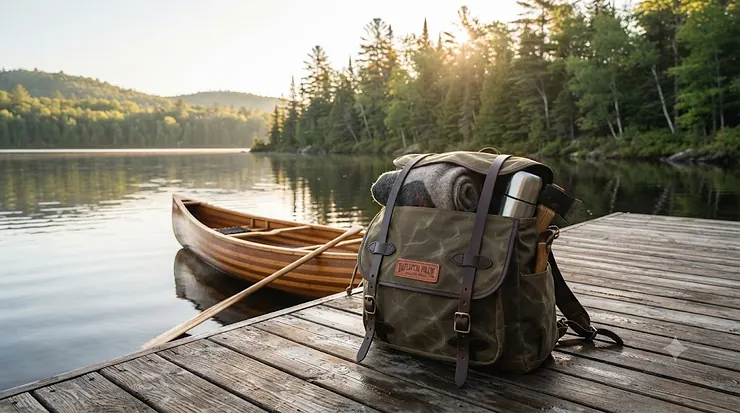
A canvas duluth pack is a square-shouldered, envelope-style portage bag made from heavyweight cotton canvas and leather, designed to sit low in a canoe and ride comfortably on a paddler’s back across a portage trail. That’s the textbook version, anyway. Ask anyone who’s actually hauled one of these things over a rocky Algonquin portage in July, sweat pooling under the tumpline, and you’ll get a different answer: it’s basically a canvas suitcase that refuses to die.
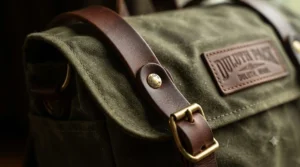
There’s something almost stubborn about the design. No frame, no fancy suspension system, no zippers to jam with sand — just thick fabric, brass buckles, and a shape that’s barely changed since the original pack was patented back in 1882. And yet this old-fashioned approach keeps winning converts among Canadian canoe trippers who’ve grown tired of nylon packs that crackle apart after a few seasons in the Canadian Shield’s granite and blackflies.
This guide walks through seven real canvas duluth pack options — some genuinely canvas and leather in the old style, a couple of modern synthetic alternatives thrown in for honest comparison — plus the sizing, care, and buying advice that Amazon listings never quite cover. We’ll dig into what “waterproof” actually means on a pack like this (spoiler: not much), how a canvas duluth pack for canoe camping should be sized against your trip length, and why oiled canvas care matters more than almost any other maintenance task you’ll do this season. If you’re weighing a canvas duluth pack against a synthetic canoe pack, or wondering whether an Algonquin-style tripping pack is worth the extra weight, you’re in the right spot.
Quick Comparison Table
Before the deep dive, here’s the short version for anyone skimming on a coffee break.
| Pack | Material | Capacity | Best For |
|---|---|---|---|
| Duluth Pack #4 Original | 15 oz. canvas + leather | 72 L | Long multi-day expeditions |
| Duluth Pack #2 Original | 15 oz. canvas + leather | 56 L | Weekend all-rounder |
| Frost River Old No. 7 | 18 oz. waxed canvas | 45 L | Day trips and duck camps |
| Frost River Grand Portage | 18 oz. waxed canvas | 123 L | Expandable multi-day loads |
| Frost River Tregurtha | 18 oz. waxed canvas | 149 L | Full expedition group gear |
| Ostrom Quetico (Frameless) | 400D nylon | ~70 L | Custom-fit comfort seekers |
| Algonquin Outfitters Ballistic | Ballistic nylon | ~65 L | Budget-conscious renters/buyers |
Looking at the spread above, the two Duluth Pack originals and the three Frost River packs cover the traditional canvas end of the spectrum, while the Ostrom Quetico and Algonquin Outfitters Ballistic Canoe Pack represent the synthetic alternative for paddlers who prioritize a padded hip belt over heritage charm. Capacity is doing a lot of the decision-making work here: a solo weekender rarely needs the 149-litre cavern of the Tregurtha, while a two-week Quetico Provincial Park expedition can swallow a 56-litre pack whole. Price generally rises with capacity and hardware quality, so match the number to your actual trip length before you fall for the biggest, best-looking option in the lineup.
💬 Just one click — help others make better buying decisions too!😊
Top 7 Canvas Duluth Packs: Expert Analysis
Here’s the lineup, budget to premium, canvas and synthetic side by side so you can see exactly what your money buys at each level.
1. Duluth Pack #2 Original — best all-around size for weekend trips
The Duluth Pack #2 Original is the middle child of the lineup, and honestly, that’s its whole appeal. At 56 litres, it splits the difference between a daypack and the monster-sized packs built for weeks-long expeditions. Constructed from 15-ounce cotton canvas with a single wide-mouth compartment, three buckle-strap closures, and a leather tumpline sewn in for load-bearing over the head, it’s a design that has barely changed in a century — which, in a world of planned obsolescence, counts as a feature. The wide-open main compartment means there’s no fumbling with internal dividers when you’re packing in low light at a put-in.
Based on the spec comparison with its siblings, the #2 hits the sweet spot for anyone doing three- to five-day trips who doesn’t want to lug around a pack built for a full outfitting crew. Reviewers consistently report that the leather shoulder straps break in within a trip or two and that the canvas shows only cosmetic fading after years of sun exposure — several owners on outfitter forums mention packs still going strong after two or three decades of use, passed between family members. That kind of longevity is rare in outdoor gear.
Pros:
- ✅ Compact 56 L size fits most weekend and week-long loads
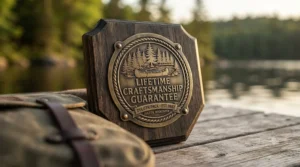
- ✅ Lifetime guarantee on craftsmanship and hardware
- ✅ Simple single-compartment design resists snagging and tearing
Cons:
- ❌ No internal frame means heavy loads dig into shoulders on long carries
- ❌ Untreated canvas needs a liner for genuine rain protection
Price sits in the C$300-C$350 range at the time of research, and given the lifetime warranty backing it, that’s a reasonable value verdict for a pack meant to outlast the person carrying it.
2. Duluth Pack #4 Original — biggest classic pack for long expeditions
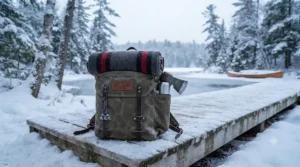
Step up to the Duluth Pack #4 Original and you’re looking at 72 litres of the same 15-ounce canvas construction, scaled up for trips where the food barrel, tent, and two sleeping bags all need a single home. The riveted leather shoulder straps and internal slip pocket for a phone or headlamp carry over from the smaller model, but the extra volume changes how it rides — this pack sits noticeably lower and wider in a canoe, which matters more than people expect for keeping the boat’s centre of gravity down in rough water.
What most buyers overlook about the Duluth Pack #4 Original is that its size actually makes it easier to pack efficiently, not harder. Because there are no internal compartments to negotiate, odd-shaped gear like camp chairs or bundled tarps slots in around the edges instead of getting rejected by a rigid frame. Aggregated review sentiment from long-time Boundary Waters trippers points to the double-canvas base as the standout durability feature — it’s the part of any pack that takes the most abuse from portage trail rocks and canoe gunwales, and Duluth Pack reinforces exactly that spot.
Pros:
- ✅ 72 L capacity handles full multi-day group gear loads
- ✅ Double-canvas base resists abrasion on rocky portages
- ✅ Rides low in a canoe for better on-water stability
Cons:
- ❌ Bulky and awkward for solo trippers on shorter outings
- ❌ Heavier empty weight than synthetic packs of similar volume
Expect to pay somewhere in the C$400-C$450 range at the time of research; for a pack this size with a lifetime warranty, that’s a solid cost-per-trip calculation if you’re tripping for years to come.
3. Frost River Old No. 7 — best do-it-all size for day trips and duck camps
The Frost River Old No. 7 is proof that not every canvas duluth pack needs to be enormous. At roughly 45 litres and built from 18-ounce waxed cotton canvas, it’s small enough to double as a hiking daypack or a duck-hunting bag but sturdy enough to still count as genuine expedition gear. The waxed finish — a step up from untreated canvas — gives it noticeably better water resistance right out of the box, something the plain-canvas Duluth Pack originals don’t offer.
Here’s what the spec sheet won’t tell you, but reviewers note repeatedly: the padded waist band on the No. 7 makes a real difference on long hikes, not just canoe portages, which is unusual for a traditionally-shaped pack. Owners who’ve used it across “countless portages, through snowy pine forests, to plenty of duck camps” describe it as the one pack that stays in rotation even after they’ve bought several others — a sign that its size, not its price, is the real selling point. On paper, this makes it the strongest budget-to-mid entry for anyone whose trips run shorter or whose group splits gear across several smaller packs rather than one giant one.
Pros:
- ✅ Waxed canvas sheds light rain better than untreated canvas
- ✅ Doubles as a daypack, hunting bag, or small canoe pack
- ✅ Padded waist band improves comfort on longer carries
Cons:
- ❌ Too small for a solo multi-day trip’s full gear load
- ❌ Waxed finish needs periodic reproofing to stay effective
Pricing typically runs in the C$300-C$340 range at the time of research, putting it near the smaller Duluth Pack #2 despite the waxed-canvas upgrade — a reasonable value pick for anyone who packs light.
4. Frost River Grand Portage — best expandable pack for multi-day trips
Named for the historic nine-mile portage trail that fur traders once called “indispensably necessary,” the Frost River Grand Portage lives up to its namesake with a 123-litre capacity and expandable top flaps that adjust for different load sizes. The 9-inch side gusset is the standout feature here — it adds real storage width without changing the pack’s footprint in a canoe, which matters when you’re trying to keep three packs, a canoe, and two paddlers organized at a single portage landing.
Based on the spec comparison with the smaller Frost River models, the Grand Portage’s vertical compressibility is what separates it from a simple oversized bag. When it’s not fully loaded, the top flaps cinch down so the pack doesn’t flop around and catch wind while you’re paddling; when it is fully loaded, those same flaps extend to swallow the extra volume. Reviewers describe being genuinely surprised at how much gear fits before the pack feels “full,” with several noting they had to actively hunt for more items to pack rather than run out of room. That’s a good problem to have on a canoe camping trip where every extra pound matters on the portage but every missing item matters at camp.
Pros:
- ✅ Expandable flaps adapt to different load sizes on one trip
- ✅ Wide side gusset adds volume without changing canoe fit
- ✅ Waxed canvas and solid brass hardware built for years of use
Cons:
- ❌ Bulky footprint isn’t ideal for solo hiking use
- ❌ Premium price point compared to entry-level canvas packs
Price sits around C$500-C$600 at the time of research, which reflects the larger capacity and waxed-canvas build; for a two-paddler team splitting gear across a couple of these, the value case holds up well over a multi-season ownership window.
5. Frost River Tregurtha — biggest waxed-canvas beast for long expeditions
At 149 litres, the Frost River Tregurtha is the largest canoe pack in this lineup, named after one of the biggest ore boats on the Great Lakes — a fitting reference for a pack built to swallow an entire expedition’s worth of gear. Hand-sewn from 18-ounce waxed cotton canvas with solid (not plated) brass hardware and buckskin-padded backstraps, it’s positioned squarely at the premium end of the market, aimed at trippers heading out for weeks rather than days.
What most buyers overlook about a pack this size is that the tumpline isn’t optional decoration — it’s the difference between a manageable carry and a genuinely miserable one when the Tregurtha is loaded near capacity. Aggregated review sentiment consistently praises the double-canvas base and internal map pocket, but also flags that this is not a pack for casual weekend use; it’s overbuilt in a way that only pays off on longer trips where the extra volume actually gets used. On paper, that makes the Tregurtha a poor fit for anyone doing occasional overnighters, but an excellent one for serious wilderness trippers who measure trips in weeks, not days.
Pros:
- ✅ 149 L capacity handles a full expedition’s gear in one pack
- ✅ Solid brass hardware avoids the flaking of plated alternatives
- ✅ Buckskin-padded backstraps ease long portage carries
Cons:
- ❌ Overkill and expensive for short or casual trips
- ❌ Very bulky when loaded, awkward for a single carrier
Expect a price in the C$650-C$750 range at the time of research — a genuine investment, but one that makes sense if you’re outfitting for extended wilderness travel rather than the occasional weekend paddle.

6. Ostrom Quetico Canoe Pack (Frameless) — best synthetic alternative for custom comfort
Not every strong option in this category is canvas, and the Ostrom Quetico Canoe Pack (Frameless) makes the honest case for synthetic. Built in Canada from 400-denier nylon rather than cotton duck, it trades heritage aesthetics for a genuinely padded back panel, S-shaped shoulder straps sized S through XL, and a hip belt built to actually transfer weight off the shoulders — something no traditional canvas duluth pack offers.
Reviewers consistently note the fit customization as the standout advantage: Ostrom’s Canadian-based team works directly with buyers on sizing, an approach borrowed from founder Bill Ostrom’s background designing rucksacks for the Canadian Armed Forces. Based on the spec comparison, this pack sacrifices the “buy it once, hand it down for generations” romance of a canvas pack in exchange for lighter weight and more ergonomic load transfer on longer portage days — a fair trade for paddlers who prioritize comfort over tradition. It’s a useful reference point in the canvas vs. synthetic durability conversation later in this guide.
Pros:
- ✅ Padded hip belt transfers weight off the shoulders
- ✅ Custom sizing (S-XL) fits a wider range of body types
- ✅ Lighter empty weight than comparable canvas packs
Cons:
- ❌ Lacks the decades-long track record of canvas construction
- ❌ Nylon doesn’t develop the patina traditionalists prize
Pricing typically runs C$350-C$450 at the time of research depending on size and add-ons, positioning it as a genuine mid-range alternative to the canvas options above.
7. Algonquin Outfitters Ballistic Canoe Pack — toughest budget nylon alternative
Rounding out the list is the Algonquin Outfitters Ballistic Canoe Pack, a no-frills nylon pack that’s earned its stripes the hard way — it’s the same pack this Ontario outfitter rents out to hundreds of backcountry groups every season. Built with a simple padded back, basic hip belt, and six side compression straps, it doesn’t try to compete with the Ostrom Quetico on comfort features, and it doesn’t pretend to be a heritage canvas piece either.
The spec sheet won’t tell you this, but reviewers note that the pack’s rental-grade construction is exactly why it holds up so well for casual buyers — an outfitter renting gear to first-time trippers, some of whom are hard on equipment, simply can’t stock anything flimsy. That translates into a budget-friendly option for anyone testing whether canoe tripping is a hobby worth investing more in before committing to a premium canvas or custom-fit synthetic pack. It’s a smart starting point for beginners or family groups outfitting several kids at once without breaking the bank.
Pros:
- ✅ Rental-grade nylon construction built to survive rough use
- ✅ Budget-friendly entry point for first-time trippers
- ✅ Simple design with minimal parts to break or wear out
Cons:
- ❌ Basic hip belt and back panel lack the Ostrom’s comfort refinement
- ❌ Fewer premium touches than higher-end canvas or nylon packs
Price sits in the C$200-C$260 range at the time of research, making it the most accessible option on this list for anyone dipping a toe into canoe camping before committing to a bigger purchase.
Practical Usage Guide: Breaking In and Caring for a New Canvas Duluth Pack
A brand-new canvas duluth pack is stiffer, squeakier, and less forgiving than the well-worn version you’ll eventually own — and the first 30 days matter more than most buyers realize. Start by loading it at home before your first trip. Fill it with roughly the weight you’ll actually carry (books, canned goods, whatever’s handy) and wear it around the house or yard for 20 minutes at a time over a few days. This softens the canvas at the fold lines and lets the leather straps start conforming to your shoulders before they’re doing that job on an actual portage trail.
A common first-30-days mistake is skipping the tumpline entirely because it feels awkward. Give it a real try on a short carry — most experienced trippers say the learning curve is a single weekend, and once it clicks, it noticeably reduces shoulder strain on longer portages by shifting some of the load to your neck and upper back. Another frequent misstep: storing a damp pack in a stuff sack or car trunk after a trip. Canvas needs to dry fully in open air before storage, or you risk mildew smell that’s nearly impossible to fully remove afterward. Hang it somewhere ventilated, buckles undone, until it’s bone dry — usually 24 to 48 hours depending on humidity.
For ongoing maintenance, check the buckle roller mechanisms every few trips; a drop of light oil keeps them from sticking, especially after a wet trip. Leather straps benefit from an occasional application of leather conditioner, applied sparingly so it doesn’t attract dirt. And if your pack came with waxed canvas, plan for reproofing roughly every one to two seasons of regular use — more on that in the oiled canvas care section below.
✨ Ready to Start Breaking In Your Own Pack?
🔍 Take your canoe camping setup to the next level with one of the seven options above. Click through to check current pricing and availability, and get a jump on breaking your new pack in before your next trip into the backcountry!
Real-World Scenarios: Which Canvas Duluth Pack Fits Your Trip
Picture three different paddlers heading into Algonquin Park this season. The first is a university student on a budget, planning a four-day trip with two friends, splitting gear across three packs, none of them wanting to spend more than they have to. For that group, the Algonquin Outfitters Ballistic Canoe Pack or the smaller Duluth Pack #2 Original make the most sense — enough capacity for a share of the group gear without the premium price tag of an expedition-sized pack they’ll only half-fill.
The second paddler is a family of four heading out for a week-long trip with two canoes, kids included, and a real need for organized, easy-access gear. Here, a mix of sizes works better than one giant pack per adult: something like the Frost River Old No. 7 for the smaller kids’ gear and daily essentials, paired with a larger Duluth Pack #4 Original or Frost River Grand Portage for shared kitchen and shelter gear. Splitting the load this way also means no single pack is so heavy that a portage becomes a shoulder-crushing ordeal for whoever draws the short straw.
The third scenario is a solo or two-person expedition tripper planning three weeks in Quetico Provincial Park, wilderness travel where resupply isn’t an option and every ounce of gear has to last the whole trip. This is where the Frost River Tregurtha earns its premium price tag — genuinely too large for casual use, but exactly right when the alternative is running out of room mid-trip. A paddler prioritizing comfort over heritage might instead reach for the Ostrom Quetico, whose padded hip belt becomes a genuine asset on a trip where every portage day adds up.
Problem → Solution: Common Duluth Pack Headaches
Problem: Gear gets soaked even in a “waterproof canvas duluth pack.” No canvas duluth pack, waxed or not, is genuinely waterproof in a capsize or all-day downpour — the fabric resists splashes and light rain but isn’t sealed at the seams. Solution: line the pack with a heavy-duty dry bag or contractor-grade garbage bags before packing, treating the canvas as your outer shell and the liner as your actual waterproofing.
Problem: Shoulder straps dig in on long portages. Traditional canvas duluth packs skip padded suspension systems entirely. Solution: use the tumpline properly to shift weight off your shoulders, or consider a synthetic alternative like the Ostrom Quetico if portage distances are consistently long and comfort matters more than heritage styling.
Problem: Pack smells musty after storage. This usually means it was packed away before fully drying. Solution: air it out completely — sometimes several days in a well-ventilated space — before the smell fades; avoid sealing it in plastic bins for long-term storage.
Problem: Canvas stiffens and cracks at fold lines over time. Untreated canvas loses its natural oils with age and sun exposure. Solution: apply a canvas-specific waterproofing wax or oil treatment once a year, focusing on high-flex areas like the base and strap attachment points.
Problem: Overloading a smaller pack strains the seams. Trying to cram a multi-day load into something like the Frost River Old No. 7 stresses stitching it wasn’t built for. Solution: match pack size to trip length using the decision framework below, and split gear across two smaller packs rather than overstuffing one.

How to Choose a Canvas Duluth Pack
- Match capacity to trip length first. A weekend trip rarely needs more than 55-60 litres; a two-week expedition can justify 120+ litres. Buying too large “just in case” usually just means an awkwardly half-empty pack riding poorly in your canoe.
- Decide how much you value heritage construction versus comfort features. Canvas and leather age beautifully and last generations, but synthetic packs like the Ostrom Quetico offer padded hip belts and adjustable fit that canvas simply doesn’t replicate.
- Check the hardware, not just the fabric. Solid brass buckles resist corrosion far better than plated alternatives, which can flake and rust after repeated wet-dry cycles on the water.
- Consider whether you need a tumpline. If your trips involve long portages, a properly designed tumpline meaningfully reduces shoulder fatigue — but it takes practice to use well.
- Factor in the base construction. Double-layered canvas bottoms resist abrasion from rocky put-ins and canoe gunwales far longer than single-layer builds.
- Think about group gear-splitting strategy. Two mid-sized packs are often more manageable on a portage trail than one oversized pack, especially with mixed-ability groups.
- Budget for maintenance, not just purchase price. Waxed canvas needs periodic reproofing; leather needs occasional conditioning. Factor this into your long-term cost expectations, covered in more detail below.
Canvas vs Synthetic Pack Durability: What the Spec Sheet Doesn’t Tell You
The canvas vs synthetic pack durability debate isn’t as simple as “canvas lasts longer” or “nylon is tougher.” Cotton canvas, especially in the 15-18 ounce weights used on Duluth Pack and Frost River models, resists puncture and abrasion remarkably well and, unlike synthetic fabrics, can be repaired almost indefinitely with basic sewing and patching skills. It doesn’t develop the brittle, sun-degraded weakness that some nylon fabrics show after years of UV exposure. That’s why 40- and 50-year-old canvas packs still show up in active rotation on canoe trip forums, passed down through families.
| Factor | Canvas + Leather | Synthetic (Nylon) |
|---|---|---|
| Puncture/abrasion resistance | Very high | High, but degrades with UV over time |
| Weight | Heavier | Lighter |
| Repairability | Excellent (patchable, restitchable) | Good, but specialized repair often needed |
| Water resistance | Low unless waxed; needs a liner regardless | Often better out of the box |
| Comfort features | Minimal (tumpline only) | Padded hip belts, adjustable straps common |
| Best For | Multi-generational ownership, traditionalists | Comfort-focused paddlers, lighter loads |
Interpreting the table above: canvas wins decisively on longevity and repairability, which matters enormously if you’re planning to own one pack for decades rather than replacing gear every few seasons. Synthetic packs like the Ostrom Quetico and Algonquin Outfitters Ballistic Canoe Pack win on comfort and immediate water resistance, which matters more for paddlers doing frequent long portages or prioritizing lighter pack weight. Neither material is objectively “better” — the right choice depends on whether you’re optimizing for tradition and total cost of ownership over 20 years, or comfort and convenience on this season’s trips.
Is a Waterproof Canvas Duluth Pack Really Waterproof?
Short answer: not really, and no manufacturer worth trusting claims otherwise. As paddlers on the Canadian Canoe Routes gear forum have long pointed out, traditional canvas packs — waxed or not — are built to carry gear, not to seal out water. Even waxed canvas, which sheds light rain and splashes noticeably better than untreated cotton duck, isn’t sealed at the seams or buckle points, meaning sustained rain or a capsize will get moisture inside eventually.
This matters practically: anyone shopping for a “waterproof canvas duluth pack” should understand that the phrase describes water-resistance at the fabric level, not a sealed dry-bag guarantee. The smart move — one every experienced canoe camping outfitter recommends — is to waterproof the contents rather than relying on the pack itself. A heavy-duty dry bag liner or doubled contractor bags inside the pack accomplish what the canvas alone can’t, letting you keep the traditional exterior while still protecting your sleeping bag and spare clothes from a genuinely wet day on the water.
Duluth Pack for Canoe Camping: Sizing and Fit Advice
Choosing a duluth pack for canoe camping comes down to two numbers most buyers skip past too quickly: trip length and group size. As a rough guideline, plan on 15-20 litres of pack capacity per person per week of trip length, adjusted up for cold-weather trips (more layers, bulkier sleeping bags) and down for ultralight-minded groups splitting food into a barrel rather than a pack. A weekend duo can usually manage with two mid-sized packs like the Duluth Pack #2 Original; a three-week Quetico expedition for two paddlers often needs something closer to the Frost River Tregurtha or two large packs shared between partners.
Fit matters differently for a canoe pack than a hiking backpack. Because these packs are carried over relatively short portage distances rather than all-day hikes, torso-length adjustability matters less than raw comfort under heavy, awkward loads — which is exactly why the tumpline exists. A pack that fits perfectly empty can still feel wrong loaded to 60 pounds, so if possible, test-load any pack you’re considering before committing, or read aggregated buyer reviews specifically mentioning loaded-weight comfort rather than just empty-pack impressions.
Oiled Canvas Care: Long-Term Maintenance and Cost
Oiled and waxed canvas care is where a canvas duluth pack either earns its reputation for lasting decades or gets neglected into an early retirement. The wax coating on packs like the Frost River Grand Portage or Frost River Tregurtha is typically a paraffin-beeswax blend, and it wears down gradually through use, abrasion, and UV exposure. When water stops beading on the surface and instead soaks in, that’s the signal it’s time to reproof.
Reproofing is straightforward but shouldn’t be rushed. Clean the canvas first with a stiff brush and cold water — never a washing machine, which strips the wax coating entirely. Once dry, apply a canvas-specific wax (never a generic candle or ski wax, which can leave a sticky, uneven finish) evenly across the surface, then use a hairdryer on a low setting to melt the wax into the weave, focusing extra attention on seams and high-flex areas like the base corners. Let the pack cure in a warm, dry space for at least 24 hours before loading it.
| Maintenance Task | Frequency | Approx. Cost (CAD) |
|---|---|---|
| Wax reproofing | Every 1-2 seasons | C$20-C$35 per treatment |
| Leather conditioning | 1-2 times per year | C$10-C$20 per bottle |
| Buckle/hardware oiling | Every few trips | Negligible |
| Professional repair (patches, restitching) | As needed | C$40-C$100 per repair |
Looking at the cost breakdown above, a canvas duluth pack’s total ownership cost stays remarkably low over a decade of use — a stark contrast to synthetic packs that typically need full replacement rather than incremental repair once the fabric degrades. Untreated canvas on the two Duluth Pack originals needs less frequent wax attention than the waxed Frost River line, but benefits from the same basic care principles: keep it dry when storing, keep it clean, and don’t ignore the leather.
Algonquin-Style Canoe Tripping Packs: Canadian Trip Prep and Regulations
Algonquin-style canoe tripping packs earned their reputation in exactly the landscape their name suggests — the granite-and-pine backcountry of Algonquin Provincial Park, along with similar terrain across the Canadian Shield. Before heading out, Canadian paddlers should check current backcountry camping and reservation requirements, since Ontario Parks manages a reservation and permit system for Algonquin’s canoe routes that affects trip planning regardless of which pack you’re carrying.
Beyond permits, Algonquin-style tripping puts specific demands on a pack: frequent short portages (often under a kilometre, but numerous across a route), rocky put-ins that punish a pack’s base fabric, and highly variable weather that can shift from sun to downpour within an hour. This is exactly the environment where the double-canvas base construction on the Duluth Pack #4 Original and the waxed finish on the Frost River line prove their worth, and where a synthetic alternative like the Algonquin Outfitters Ballistic Canoe Pack — literally named for and tested in this terrain — makes an honest, budget-friendly case for itself.
Common Mistakes When Buying a Canvas Duluth Pack
The most frequent mistake is buying based on price alone rather than trip length — a bargain-priced pack that’s too small forces awkward overpacking, while an oversized premium pack rides poorly on shorter trips. A second common error is assuming “waxed” means “waterproof,” leading to soaked sleeping bags on a rainy trip; always plan for an interior liner regardless of exterior treatment. Third, many first-time buyers skip the tumpline entirely, missing out on real shoulder-strain relief because it initially feels unfamiliar. Finally, some buyers neglect maintenance entirely, letting canvas dry out and crack years before it should — a simple annual reproofing routine prevents most of this.
✨ Don’t Miss These Exclusive Deals!
🔍 Take your canoe camping setup to the next level with one of the seven canvas duluth packs featured above. Click through to check current pricing and availability on each one before your next backcountry trip!
Frequently Asked Questions
❓ What is the difference between a canvas duluth pack and a regular backpack?
❓ Is a waterproof canvas duluth pack actually waterproof?
❓ What size duluth pack for canoe camping do I need for a week-long trip?
❓ How often does oiled canvas need reproofing?
❓ Is canvas or synthetic more durable for a canoe pack?
Conclusion
A canvas duluth pack isn’t the lightest option in a canoe, and it’s not the most weatherproof either — but it’s hard to beat for sheer, stubborn longevity. Whether you land on the classic Duluth Pack #2 Original for weekend trips, size up to the Frost River Tregurtha for a genuine expedition, or decide the padded comfort of the Ostrom Quetico or budget-friendly toughness of the Algonquin Outfitters Ballistic Canoe Pack suits your paddling style better, the right choice comes down to matching capacity to your actual trips rather than chasing the biggest or most traditional-looking option on the shelf.
Take care of the canvas, respect the leather, and don’t skip the liner on rainy days, and any of these seven packs should still be riding low in your canoe a decade or two from now — quite possibly getting handed down to whoever inherits your love of portaging in the first place.
Recommended for You
- Waterproof Map Case vs Binder: 7 Picks for Canoe Camping 2026
- Waterproof Map Case for Canoe Tripping: 7 Best Picks for 2026
- How to Protect Your Camera on a Canoe Trip: 7 Picks (2026)
Disclaimer: This article contains affiliate links. As an Amazon Associate, I earn from qualifying purchases. If you purchase products through these links, we may earn a small commission at no additional cost to you.
✨ Found this helpful? Share it with your friends! 💬🤗
