
In This Article
Picture this: you’re nestled deep in the backcountry of Jasper National Park, temperatures hovering around -25°C, and your canister stove just sputtered and died. Frustrating? Absolutely. But entirely preventable with the right equipment. When Canadian winters throw their worst at you, a liquid fuel stove for winter becomes your most reliable cooking companion.
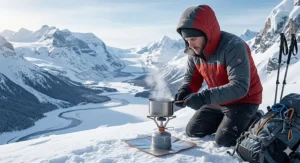
Unlike canister stoves that struggle or fail completely below -15°C, liquid fuel stoves thrive in brutal conditions. They’re the workhorse of winter camping, trusted by mountaineers scaling frozen peaks and backpackers traversing snow-covered trails across our vast northern landscape. Whether you’re melting snow for drinking water in the Rockies or cooking dinner during a February camping trip in Algonquin Park, these stoves deliver consistent performance when you need it most.
The beauty of a white gas camp stove lies in its versatility and dependability. These pumped-fuel systems maintain pressure even in subzero temperatures, and many models offer multi-fuel backpacking stove capabilities, allowing you to burn everything from white gas to unleaded gasoline or kerosene. For Canadian adventurers who venture out year-round, investing in a quality liquid fuel stove isn’t just smart—it’s essential for safety and comfort in our harsh winter conditions.
Quick Comparison Table
| Stove Model | Fuel Type | Weight | Boil Time | Price (CAD) | Rating |
|---|---|---|---|---|---|
| MSR WhisperLite | White gas, kerosene | 330g | 3.5 min | $120-160 | 4.5/5 |
| MSR Dragonfly | Multi-fuel | 496g | 3.5 min | $180-220 | 4.6/5 |
| Coleman Guide Series Dual Fuel | White gas, unleaded | 2.1 kg | 4 min | $150-190 | 4.3/5 |
| Optimus Svea 123 | White gas only | 550g | 7 min | $130-170 | 4.7/5 |
| MSR WhisperLite Universal | Hybrid (liquid + canister) | 318g | 3.5 min | $180-240 | 4.5/5 |
| Primus OmniFuel | Multi-fuel + canister | 441g | 3 min | $200-260 | 4.8/5 |
| MSR XGK EX | Multi-fuel | 413g | 2.8 min | $190-250 | 4.6/5 |
💬 Just one click – help others make better buying decisions too! 😊
✨ Don’t Miss These Exclusive Deals!
🔍 Take your winter camping to the next level with these carefully selected products available in Canada. Click on any highlighted item to check current pricing and availability on Amazon.ca. These tools will help you create authentic outdoor experiences your family will love!
Top 7 Liquid Fuel Stove for Winter: Expert Analysis
1. MSR WhisperLite International – The Canadian Winter Classic
The MSR WhisperLite International has earned legendary status among Canadian winter campers for good reason. This compact powerhouse burns white gas and kerosene with remarkable efficiency, making it ideal for extended winter expeditions where every gram matters.
Key Specifications:
- Weight: 330 grams (stove only)
- BTU output: 9,200 per hour
- Boil time: 3.5 minutes per litre
Canadian Availability & Pricing: Readily available on Amazon.ca ranging from $120-$160 CAD depending on included accessories. Ships within 2-3 business days to most Canadian addresses.
Canadian users consistently praise its reliability in temperatures down to -40°C. One reviewer from Canmore, Alberta notes the stove performed flawlessly during a February trip to Lake Louise, melting snow efficiently despite brutal chinook winds. The self-cleaning Shaker Jet technology means less maintenance in the field—a crucial advantage when your fingers are numb from cold.
✅ Pros:
- Legendary cold-weather reliability
- Lightweight at just 330g
- Fuel-efficient for extended trips
❌ Cons:
- Limited simmer control
- Requires proper priming technique
The WhisperLite represents exceptional value for Canadian winter enthusiasts who prioritize reliability over gourmet cooking capabilities. It’s particularly well-suited for snow melting and quick meal preparation.
2. MSR Dragonfly – The Gourmet Winter Chef
When you want precision cooking control in winter conditions, the MSR Dragonfly stands alone. Unlike most liquid fuel stoves that operate at two speeds (full blast or off), the Dragonfly features a dual-valve design enabling true simmer-to-boil control.
Key Specifications:
- Weight: 496 grams
- BTU output: 8,700 per hour
- Multi-fuel capable: white gas, kerosene, diesel, unleaded
Canadian Availability & Pricing: Available through Amazon.ca at $180-$220 CAD. Some Canadian retailers also stock it, though Amazon typically offers better pricing and faster shipping across provinces.
Reviews from Canadian backcountry cooks highlight its ability to prepare complex meals in challenging conditions. The wide pot supports accommodate larger cookware, making it ideal for group camping or families. One Vancouver Island user mentioned successfully cooking rice and stir-fry during a January camping trip without burning—something nearly impossible on standard liquid fuel stoves.
The suspended burner cup design minimizes heat loss to frozen ground, a clever engineering touch that Canadian winter campers appreciate. However, this stove requires a dedicated pump (red-coloured) not compatible with other MSR models.
✅ Pros:
- Excellent simmer control for gourmet cooking
- Burns five different fuel types
- Wide, stable pot supports
❌ Cons:
- Heavier than competitors
- Dedicated pump required (not interchangeable)
3. Coleman Guide Series Dual Fuel – The Budget-Friendly Workhorse
For car camping and base camp cooking in Canadian winters, the Coleman Guide Series Dual Fuel stove delivers remarkable value. This two-burner beast isn’t winning any ultralight awards, but it excels at feeding groups in established campgrounds.
Key Specifications:
- Total BTU output: 14,000 (7,000 per burner)
- Fuel options: Coleman liquid fuel or unleaded gasoline
- Cooking surface: Fits two 10-inch pans
Canadian Availability & Pricing: Amazon.ca stocks this model at $150-$190 CAD with free shipping on orders over $35. Winter availability sometimes fluctuates, so ordering early in the season is advisable.
Canadian RV and truck campers love this stove for winter camping in provincial parks. One reviewer from Thunder Bay reported using it throughout winter at their ice fishing shack, burning regular automotive fuel without issues. The WindBlock panels effectively shield burners from prairie winds and coastal gusts that plague Canadian camping spots.
According to Parks Canada regulations, only gas stoves are permitted in many winter camping areas where wood fires are prohibited, making this Coleman a practical choice for compliance-conscious campers.
✅ Pros:
- Large cooking surface for groups
- Burns readily-available unleaded gasoline
- Excellent value for car camping
❌ Cons:
- Heavy (2.1 kg) – not for backpacking
- Some quality control issues reported
- Bulky pack size
4. Optimus Svea 123 – The Timeless Swedish Icon
If reliability and heritage matter to you, the Optimus Svea 123 represents over a century of refined design. This self-pressurizing brass beauty has accompanied climbers to Himalayan summits and Arctic explorers across frozen tundra—including many Canadian expeditions.
Key Specifications:
- Weight: 550 grams with pot
- Fuel: White gas (naphtha) only
- Burn time: 50 minutes per tank
Canadian Availability & Pricing: Listed on Amazon.ca at $130-$170 CAD, though availability can be spotty. Canadian outdoor equipment specialists like Mountain Equipment Co-op occasionally stock them as well.
What sets the Svea apart is its simplicity—no pump, no fuel line, just solid brass construction and a self-contained tank. Canadian winter campers appreciate its bomb-proof reliability; one Edmonton reviewer noted their father’s 1960s-era Svea still functions perfectly despite decades of abuse. The stove priming technique requires practice, but once mastered, it starts reliably even in extreme cold.
The distinctive jet-engine roar might annoy campsite neighbours, but it confirms the stove is running properly. According to Wikipedia, introduced in 1955, the Svea 123 pioneered compact backpacking stoves and remains fundamentally unchanged—testament to its perfected design.
✅ Pros:
- Ultimate reliability and durability
- No pump needed (self-pressurizing)
- Cult classic with lifetime longevity
❌ Cons:
- Extremely loud operation
- Limited fuel capacity
- Minimal flame control
5. MSR WhisperLite Universal – The Hybrid Winter Solution
The MSR WhisperLite Universal bridges liquid and canister fuel worlds, offering unmatched flexibility for Canadian conditions. This hybrid stove adapts to whatever fuel source you can find, whether that’s white gas, kerosene, or isobutane canisters.
Key Specifications:
- Weight: 318 grams (stove only)
- Fuel options: White gas, kerosene, unleaded gas, canister fuel
- Includes canister stand for inverted operation
Canadian Availability & Pricing: Amazon.ca offers this at $180-$240 CAD depending on included accessories. The complete kit with fuel bottle and pump typically runs $220-240 CAD.
This versatility shines during shoulder seasons in Canadian mountains. When autumn temperatures hover around freezing, you can use canisters for convenience, then switch to white gas when winter truly arrives. Manitoba reviewers particularly appreciate carrying one stove for year-round use rather than maintaining separate systems.
The fuel bottle compatibility means mixing and matching with standard MSR bottles, crucial for group trips where fuel sharing becomes necessary. Canadian winter safety experts recommend everyone carrying their own stove during winter expeditions, as outlined in Parks Canada winter camping guidelines.
✅ Pros:
- Ultimate fuel flexibility (4 fuel types + canisters)
- Lightweight for a hybrid system
- Quick fuel-type transitions
❌ Cons:
- More complex than single-fuel stoves
- Premium pricing
- Simmering requires technique
6. Primus OmniFuel – The Premium Swedish Powerhouse
For discerning winter campers who demand the best, the Primus OmniFuel represents the pinnacle of liquid fuel stove engineering. This Swedish masterpiece combines robust metal construction, precision flame control, and genuine multi-fuel versatility.
Key Specifications:
- Weight: 441 grams (with ErgoPump)
- Fuel types: Gas, gasoline, diesel, kerosene, aviation fuel
- Boil time: 3 minutes per litre
Canadian Availability & Pricing: Available through Amazon.ca at $200-$260 CAD for the complete kit including fuel bottle and ErgoPump. Premium positioning reflects superior build quality.
What distinguishes the OmniFuel is its metal ErgoPump—a precision-engineered marvel with leather plunger seals that outlasts plastic alternatives. Canadian users from Yukon to Newfoundland report this pump functioning flawlessly after years of heavy use. The simmer control genuinely works, unlike most liquid fuel competitors where “simmer” means “nearly off.”
The stove maintenance winter is straightforward thanks to the integrated cleaning needle and jet-changing system. One British Columbia reviewer successfully cooked elaborate meals during a two-week winter traverse of the Rockies, praising the stove’s consistent performance across varying elevations and temperatures.
✅ Pros:
- Exceptional build quality (metal pump)
- True simmer control
- Burns virtually any liquid fuel
❌ Cons:
- Expensive investment
- Jet-engine loud at full power
- Windscreen durability issues reported
7. MSR XGK EX – The Expedition Workhorse
When polar explorers and Himalayan mountaineers need absolute reliability, they reach for the MSR XGK EX. This expedition-grade stove prioritizes raw power and dependability over creature comforts, making it ideal for serious Canadian winter expeditions.
Key Specifications:
- Weight: 413 grams
- BTU output: 10,500 per hour
- Fastest boil time: 2.8 minutes per litre
Canadian Availability & Pricing: Amazon.ca stocks this beast at $190-$250 CAD. The higher price reflects its expedition-grade construction and proven track record in extreme environments.
Canadian Arctic expeditions frequently spec the XGK EX because it simply doesn’t fail. The suspended burner platform minimizes conductive heat loss to frozen ground—critical when every BTU counts. Reviews from Northwest Territories users confirm reliable ignition at -40°C, though proper stove priming technique becomes essential in these temperatures.
The stove’s simplicity means fewer potential failure points. No simmer control, no fancy features—just reliable, powerful heat when you need it. The Shaker Jet cleaning system allows field maintenance without tools, crucial during extended winter trips far from civilization.
According to expert reviews on outdoor gear testing sites, the XGK EX consistently outperforms competitors in fuel bottle compatibility and pump stove troubleshooting scenarios.
✅ Pros:
- Unmatched reliability in extreme cold
- Fastest boil times
- Simple, maintainable design
❌ Cons:
- No simmer control whatsoever
- Loud operation
- Basic feature set
Understanding White Gas Camp Stove Technology
White gas, also known as naphtha or Coleman fuel, represents the gold standard for winter camping fuel in Canada. Unlike isobutane canisters that lose pressure below freezing, white gas maintains consistent performance down to -40°C and beyond—essential for Canadian winter conditions.
The fuel works through a pressurized system. You pump air into the fuel bottle, creating pressure that forces liquid fuel through the supply line to the burner. During priming, a small amount of fuel vaporizes in the preheater tube, creating the necessary heat for continuous operation. This self-sustaining cycle continues until you shut off the fuel valve.
Modern pump stove troubleshooting typically involves three areas: the pump seal, the fuel jet, and the fuel line O-rings. Canadian winter campers should carry a maintenance kit containing spare O-rings and a jet-cleaning needle. Fortunately, most quality stoves include these tools in their standard kit.
One crucial advantage for Canadian users: white gas remains available across the country, from gas stations to hardware stores. According to outdoor equipment retailers, a litre of Coleman fuel costs approximately $12-15 CAD, significantly less expensive per cooking session than disposable canister gas.
MSR Dragonfly vs WhisperLite: Making the Right Choice
This classic comparison splits the Canadian winter camping community. Both stoves excel in cold conditions, but they serve different priorities.
The MSR Dragonfly wins if you’re a backcountry gourmet who values cooking control. Its dual-valve design allows genuine simmering—you can actually cook rice, sauces, or delicate foods without burning. The suspended burner cup design also provides better ground clearance, reducing heat loss on snow. However, you’ll pay roughly $40-60 CAD more and carry an extra 166 grams compared to the WhisperLite.
The WhisperLite dominates for weight-conscious backpackers and those primarily boiling water or rehydrating meals. It’s lighter, more affordable, and shares pump compatibility with other MSR stoves in your group. The trade-off? Minimal temperature control and a steeper learning curve for beginners.
For Canadian winter conditions specifically, both handle cold equally well. The decision comes down to cooking ambitions versus pack weight priorities. Solo ultralight enthusiasts typically choose WhisperLite, while group leaders and basecamp cooks favor Dragonfly’s versatility.
Multi-Fuel Backpacking Stove Benefits for Canadian Winters
A multi-fuel backpacking stove offers compelling advantages for Canadian adventurers traveling across diverse regions or internationally. The ability to burn white gas, unleaded gasoline, kerosene, and diesel means you’re never stranded without fuel.
Consider a winter road trip from Ontario to British Columbia. White gas might be scarce in remote northern communities, but unleaded gasoline? Available at every gas station. This flexibility provides peace of mind during extended winter trips through less-traveled regions.
Fuel bottle compatibility matters more than many realize. MSR fuel bottles are designed to handle the pressure generated by pumped fuel systems—using improvised containers risks explosion. Most quality multi-fuel stoves include a fuel bottle, but Canadian users should budget $25-40 CAD for spare bottles if planning group trips.
International travelers particularly value multi-fuel capability. White gas isn’t universally available, but kerosene and unleaded gasoline are found worldwide. If you’re planning climbing expeditions in South America or trekking in Central Asia, a multi-fuel stove becomes essential equipment.
Mastering Stove Priming Technique in Cold Weather
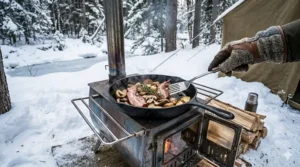
Proper stove priming technique separates successful winter campers from those eating cold granola bars. In Canadian winters, this skill becomes critical—improperly primed stoves either won’t ignite or produce dangerous flare-ups.
The Correct Priming Process:
Step 1: Pressurize your fuel bottle with 15-20 pump strokes. In extreme cold, you might need 25-30 strokes to achieve adequate pressure.
Step 2: Open the fuel valve slightly, allowing a small amount of liquid fuel to pool in the priming cup or around the generator tube. For most stoves, this takes 2-3 seconds.
Step 3: Close the fuel valve completely and immediately ignite the priming fuel using a lighter or match. Never delay—fuel evaporates quickly in dry winter air.
Step 4: Watch the priming flame carefully. It should burn steadily for 30-60 seconds, heating the generator tube to operating temperature.
Step 5: As the priming flame begins dying, slowly open the fuel valve. If properly warmed, vaporized fuel will ignite immediately with that characteristic roar.
Cold Weather Tip: In temperatures below -20°C, keep your fuel bottle inside your sleeping bag overnight. Warmer fuel primes more reliably and requires less pumping. Some Canadian winter campers also keep their stove’s metal components inside their jacket during setup to prevent premature heat loss.
Stove Maintenance Winter: Keeping Your Gear Reliable
Canadian winter demands meticulous stove maintenance winter practices. Moisture, temperature swings, and extended storage can compromise performance when you need it most.
Pre-Season Maintenance: Disassemble your stove completely before winter camping season. Clean all components with warm, soapy water, paying special attention to the fuel jet and generator tube. Replace worn O-rings—these rubber seals harden in cold temperatures and fail more readily than summer use suggests.
Lubrication Matters: Apply silicone grease (never petroleum-based) to O-rings and pump plunger seals. The Primus OmniFuel’s leather pump seal benefits from occasional lubrication with food-grade silicone. MSR recommends their own pump cup oil, available at Canadian outdoor retailers for approximately $8-12 CAD.
Jet Cleaning: Carbon buildup clogs jets over time, especially when burning unleaded gasoline or kerosene. Most stoves include a jet-cleaning wire—use it after every 3-5 uses when burning alternative fuels. White gas users can extend this to 8-10 uses due to its cleaner combustion.
Storage Protocol: Never store stoves with fuel in the tank. Drain completely and run the stove until it consumes all residual fuel. Store in a dry location away from temperature extremes. According to equipment manufacturers, proper off-season storage doubles a stove’s functional lifespan.
Field Repair Kit: Canadian winter camping trips require carrying spare parts: extra O-rings, jet cleaning wire, spare fuel pump cup, and if possible, a spare fuel bottle cap assembly. Weight-conscious backpackers can share these items among group members.
Fuel Bottle Compatibility and Selection
Not all fuel bottles are created equal, and using incompr fuel containers with pressurized stoves risks serious injury. Understanding fuel bottle compatibility saves both money and potential disaster.
MSR Fuel Bottles: MSR designs bottles specifically for their stove systems, tested to handle 45 PSI of internal pressure. Available in 11oz (325ml), 20oz (590ml), and 30oz (887ml) capacities, with Canadian pricing ranging $20-35 CAD on Amazon.ca. The aluminum construction resists denting better than competitors, crucial when dropped on frozen ground.
Primus Fuel Bottles: Primus bottles feature a unique opening system compatible with their ErgoPump design. While MSR pumps can attach to Primus bottles with adapters, Canadian users report better performance using manufacturer-matched systems.
Size Selection Strategy: For weekend trips, an 11oz bottle suffices for solo campers. Groups or week-long expeditions require 20oz or 30oz bottles. Remember: fuel consumption increases dramatically in winter due to snow melting requirements. Budget approximately 50% more fuel than summer equivalents.
Identifying Compatible Bottles: Legitimate fuel bottles are marked with pressure ratings and manufacturer logos. Never attempt using unmarked aluminum bottles, SIGG water bottles, or other improvised containers—these aren’t pressure-rated and can explode during pumping.
Canadian retailers occasionally sell off-brand bottles at tempting prices. Exercise caution—reputable manufacturers warranty their products, while generic bottles offer no safety guarantees.
Winter Camping Safety and Regulations in Canada
Canadian winter camping regulations vary by province and park system, but certain universal principles apply. Understanding these rules protects both you and our fragile northern ecosystems.
Parks Canada Regulations: According to Parks Canada winter camping guidelines, gas stoves are mandatory in many backcountry areas where wood fires are prohibited. Liquid fuel stoves meet these requirements perfectly. Some parks require backcountry permits and winter camping registrations—check specific park websites before departure.
Provincial Park Rules: British Columbia’s provincial parks, managed by BC Parks, emphasize trip planning and emergency preparedness. Their guidelines recommend carrying backup stove systems for winter trips—solid advice that justifies investing in reliable equipment.
Carbon Monoxide Awareness: Never operate liquid fuel stoves inside tents or enclosed spaces. Carbon monoxide poisoning remains a serious winter camping hazard, particularly when trying to stay warm. Cook in vestibules with adequate ventilation, and if using cooking shelters, ensure proper airflow.
Environmental Considerations: Canadian regulations increasingly focus on Leave No Trace principles. Liquid fuel stoves eliminate the need for campfires, reducing wood harvesting impacts in sensitive winter ecosystems. Properly dispose of used fuel bottles at designated recycling facilities rather than remote trail systems.
Emergency Preparedness: Government of Canada safety guidelines stress communication plans and emergency equipment. Carry satellite communicators in remote winter locations where cell coverage is nonexistent. Your reliable stove becomes safety equipment—hot fluids and food combat hypothermia risk.
Comparing Benefits vs Traditional Canister Stoves
| Feature | Liquid Fuel Stoves | Canister Gas Stoves |
|---|---|---|
| Cold Weather Performance | Excellent down to -40°C | Fails below -10°C to -15°C |
| Fuel Availability | Widely available in Canada | Limited in remote areas |
| Fuel Cost | $12-15/litre (economical) | $8-12/canister (expensive) |
| Maintenance Required | Regular cleaning & parts | Minimal to none |
| Weight | 300-500g + fuel bottle | 75-100g (stove only) |
| Environmental Impact | Refillable bottles (lower) | Disposable canisters (higher) |
| Simmer Control | Limited (except specialty models) | Excellent on most models |
| Setup Time | 3-5 minutes | 30 seconds |
| Noise Level | Loud (jet engine roar) | Quiet operation |
For Canadian winter camping, liquid fuel stoves dominate due to cold-weather reliability. However, canister stoves work well for shoulder seasons (fall/spring) when temperatures remain above -5°C. Many experienced Canadian campers own both systems, choosing based on specific trip conditions.
How to Choose Your Perfect Winter Stove
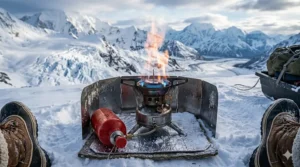
Selecting the ideal liquid fuel stove for winter depends on matching equipment capabilities to your specific needs and Canadian conditions.
Step 1: Define Your Primary Use Solo ultralight backpackers prioritize weight above all—the MSR WhisperLite or Optimus Svea excels here. Basecamp cooking or group expeditions? Consider the Coleman Dual Fuel or MSR Dragonfly for their larger capacities and simmer control.
Step 2: Assess Your Cooking Style Honest evaluation matters. If you primarily boil water for freeze-dried meals and morning coffee, skip expensive multi-fuel models with gourmet capabilities. However, if winter camping means elaborate meals and slow cooking, invest in proper simmer control.
Step 3: Consider Fuel Availability Traveling within Canada? White gas is readily available nationwide. Planning international expeditions? Multi-fuel capability becomes essential insurance.
Step 4: Budget Realistically Quality liquid fuel stoves range $120-260 CAD. Don’t forget accessories: fuel bottles ($20-35 CAD), maintenance kits ($15-25 CAD), and spare parts. Budget $180-320 CAD for a complete system.
Step 5: Weight Consciousness Backpackers count grams; car campers don’t. Be honest about your priorities. An extra 200 grams matters during a 50km ski traverse but becomes irrelevant for car camping.
Step 6: Reliability Requirements Expedition-grade reliability costs more but proves invaluable during serious winter trips. Recreational weekend warriors can accept slightly less robust systems, while arctic expeditions demand bomb-proof equipment.
Step 7: Try Before Buying Many Canadian outdoor retailers offer rental programs. Test-drive expensive stoves before committing. A weekend rental ($15-25 CAD) prevents costly purchase mistakes.
Frequently Asked Questions
❓ How much does a liquid fuel stove for winter cost in Canada?
❓ Can I use regular unleaded gasoline in my white gas camp stove?
❓ What's the minimum temperature rating for liquid fuel stoves?
❓ How long does fuel last in winter camping conditions?
❓ Do I need special permits for liquid fuel stoves in Canadian national parks?
Conclusion: Choosing Your Reliable Winter Companion
Selecting the best liquid fuel stove for winter transforms Canadian winter camping from survival ordeal to comfortable adventure. Whether you choose the legendary reliability of the MSR WhisperLite, the gourmet capabilities of the Dragonfly, or the premium engineering of the Primus OmniFuel, you’re investing in proven cold-weather performance.
For most Canadian winter campers, I recommend the MSR WhisperLite Universal as the ideal all-around choice. Its hybrid design offers unmatched flexibility between liquid fuels and canisters, adapting to whatever challenges our varied climate throws at you. At $180-240 CAD on Amazon.ca, it represents reasonable value for year-round versatility.
Budget-conscious car campers should seriously consider the Coleman Guide Series Dual Fuel at $150-190 CAD—it’s hard to beat that cooking capacity and fuel flexibility for established campground use. Meanwhile, serious mountaineers and arctic expeditions demand the bomb-proof reliability of the MSR XGK EX, despite its premium pricing.
Remember: your stove represents critical safety equipment during Canadian winters, not just convenience. Hot fluids combat hypothermia, melted snow prevents dehydration, and warm meals maintain morale during challenging conditions. Invest wisely, maintain properly, and practice your stove priming technique before heading into the backcountry.
The right liquid fuel stove for winter doesn’t just cook meals—it enables adventures that would otherwise prove impossible in our spectacular but unforgiving northern landscape.
Recommended for You
- 7 Best Winter Camping Stoves Canada 2026
- What Size Snowshoes Do I Need? Expert Guide for Canadians 2026
- 7 Best Women’s Snowshoes for Camping Canada 2026 Guide
Disclaimer: This article contains affiliate links to Amazon.ca. If you purchase products through these links, we may earn a small commission at no additional cost to you.
✨ Found this helpful? Share it with your friends! 💬🤗
